 +86-15052135118

 Español
 Get In Touch


Content
- 1 What SUS304 Means and Why It Matters for Screws
- 2 Mechanical Properties of SUS304 Stainless Steel Screws
- 3 Corrosion Resistance: Where SUS304 Performs and Where It Falls Short
- 4 Common Head Types and Drive Systems
- 5 Thread Types and Pitch Standards
- 6 Galling: The Specific Risk of Stainless-on-Stainless Assembly
- 7 SUS304 vs. SUS316 vs. SUS410: Choosing the Right Stainless Grade
What SUS304 Means and Why It Matters for Screws
SUS304 is the Japanese Industrial Standard (JIS) designation for the austenitic stainless steel grade known internationally as AISI 304 or EN 1.4301. It is the most widely produced stainless steel in the world, accounting for roughly half of global stainless steel output, and it forms the basis for the majority of stainless steel screws sold across Asia, Europe, and North America.
The "SUS" prefix — standing for Steel Use Stainless — appears on fastener packaging and material certificates from Japanese and many Asian manufacturers. When a screw is marked or specified as SUS304, it is chemically equivalent to A2 stainless steel under ISO 3506, the international standard for stainless fastener mechanical properties. Buyers sourcing from Chinese or Taiwanese manufacturers will frequently encounter both designations used interchangeably on the same documentation.
The defining composition of SUS304 is 18% chromium and 8% nickel — commonly referred to as "18-8 stainless" in the fastener trade. The chromium content creates a passive oxide layer on the surface that gives the material its corrosion resistance; the nickel stabilizes the austenitic microstructure and improves toughness and formability. This combination produces a fastener material that is non-magnetic in its annealed state, weldable, and resistant to a wide range of corrosive environments without surface coating.
Mechanical Properties of SUS304 Stainless Steel Screws
SUS304 screws are specified under ISO 3506-1 (bolts and screws) and ISO 3506-2 (nuts), which define property classes for stainless fasteners analogously to the strength grades used for carbon steel. The relevant property class for SUS304 is A2-70 for the standard work-hardened condition and A2-80 for higher-strength cold-formed variants.
| Property | A2-70 (Standard) | A2-80 (High Strength) |
|---|---|---|
| Tensile Strength (min) | 700 MPa | 800 MPa |
| 0.2% Proof Stress (min) | 450 MPa | 600 MPa |
| Elongation at Break (min) | 0.4d (approx. 8%) | 0.3d (approx. 6%) |
| Hardness (max) | HRC 23 / HV 250 | HRC 32 / HV 320 |
| Magnetic Behavior | Non-magnetic to slightly magnetic | Slightly magnetic (work-hardened) |
An important practical note: SUS304 screws are notably weaker than equivalent-size carbon steel screws of grade 8.8 or higher. A carbon steel grade 8.8 screw has a minimum tensile strength of 800 MPa, comparable to A2-80, but grade 10.9 and 12.9 carbon steel fasteners (1,040 MPa and 1,220 MPa respectively) far exceed what SUS304 can achieve. Engineers specifying SUS304 screws in structural applications must size fasteners accordingly, or consider SUS316 or duplex stainless grades if both corrosion resistance and higher strength are required.
Corrosion Resistance: Where SUS304 Performs and Where It Falls Short
SUS304's corrosion resistance is its primary selling point over carbon steel fasteners, but it is not universal. Understanding the mechanism and its limits prevents costly specification errors.
The passive chromium oxide film on SUS304 reforms spontaneously when damaged by scratching or cutting — this self-healing property is what gives stainless steel its durability in atmospheric and mildly corrosive environments. SUS304 screws perform well in:
- Indoor and sheltered outdoor environments with normal atmospheric humidity
- Food processing and kitchen equipment where hygiene and mild cleaning chemical resistance are needed
- Freshwater contact applications — water treatment equipment, irrigation fittings, plumbing fixtures
- Architectural and decorative applications where surface appearance must be maintained over time
- Medical device and pharmaceutical equipment in non-sterilization environments
SUS304 has known vulnerabilities that are frequently underestimated in specification:
- Chloride-induced pitting and crevice corrosion: Chloride ions break down the passive film locally, causing pitting that is invisible until penetration is significant. Coastal environments, swimming pools, de-icing salt exposure, and marine splash zones all present chloride concentrations that can corrode SUS304 fasteners within months. SUS316 (SUS316L) with added molybdenum is the correct specification for these environments.
- Crevice corrosion under fastener heads: Oxygen-depleted zones under screw heads and in threaded interfaces create conditions where the passive film cannot maintain itself. This is distinct from general corrosion and can affect SUS304 even in environments where the exposed surface remains clean.
- Sensitization during welding: Heat in the 425–860°C range causes chromium carbide precipitation at grain boundaries, reducing local chromium content and creating corrosion-susceptible zones. SUS304L (low-carbon variant) mitigates this risk in welded assemblies.
- Strong acid and reducing acid environments: Hydrochloric acid and dilute sulfuric acid attack SUS304 rapidly. Concentrated nitric acid, by contrast, is handled well due to its oxidizing nature.
Common Head Types and Drive Systems
SUS304 stainless steel screws are manufactured across the full range of head configurations available in carbon steel. Selection depends on the application's requirements for clamping area, flush finish, torque transmission, and tamper resistance:
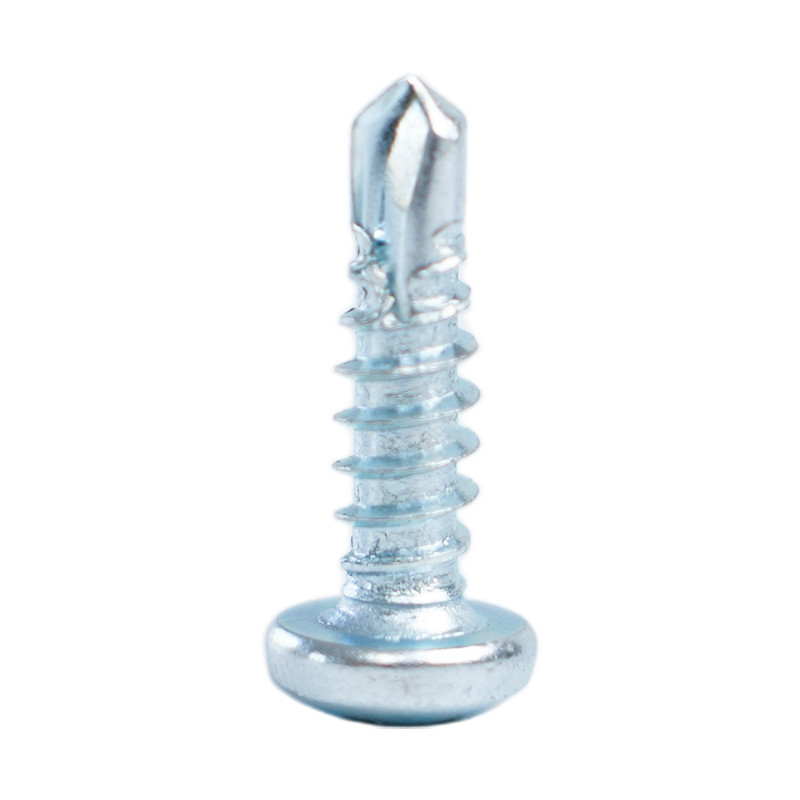
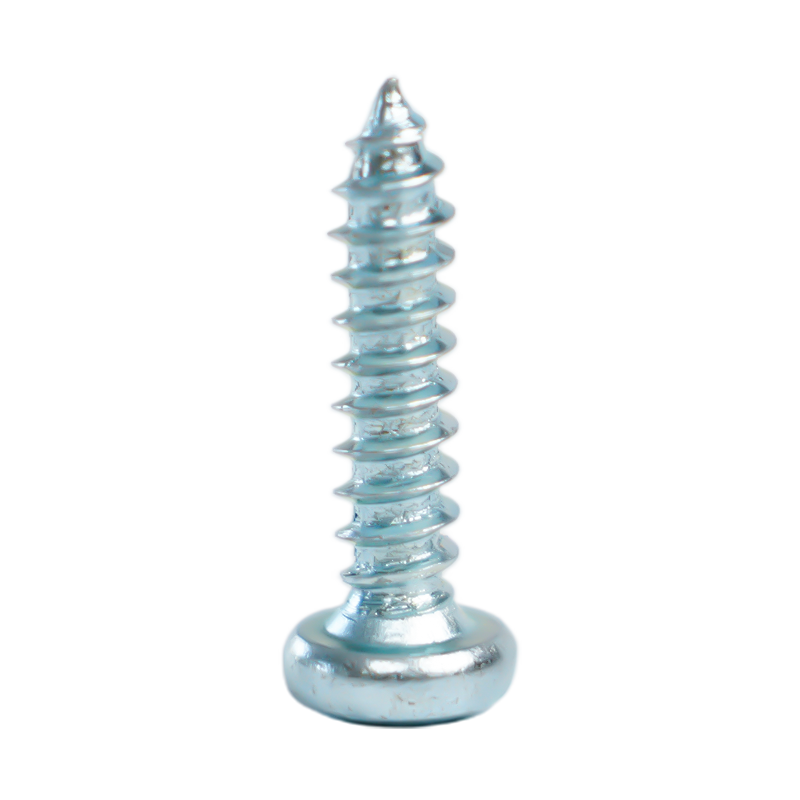
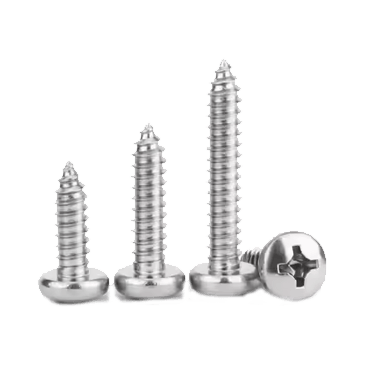
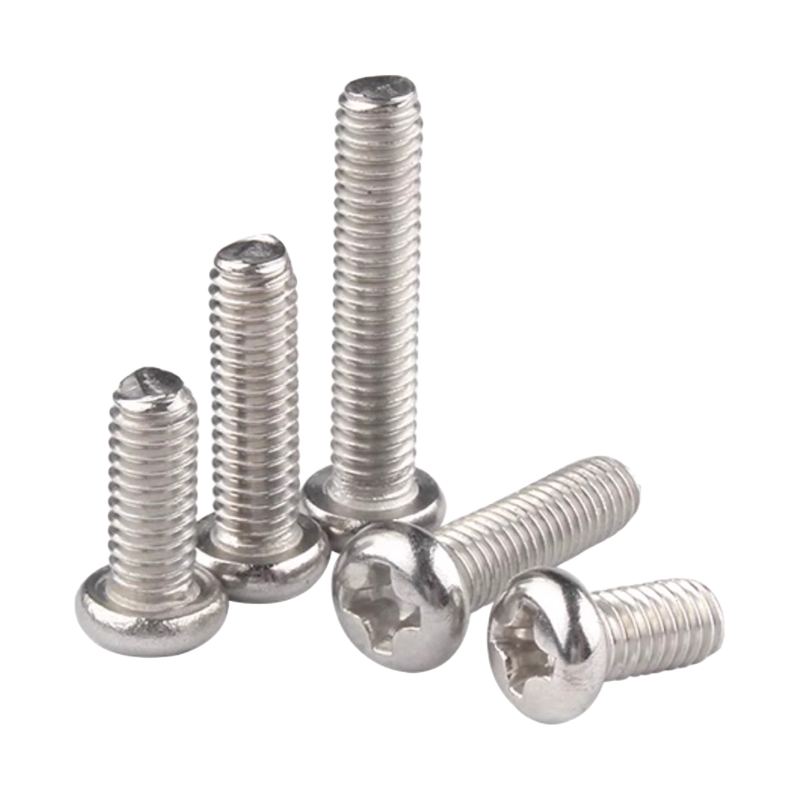
- Pan head: Dome-shaped head with flat underside bearing surface. The most common general-purpose machine screw head. Good torque transmission and a large bearing area relative to head diameter.
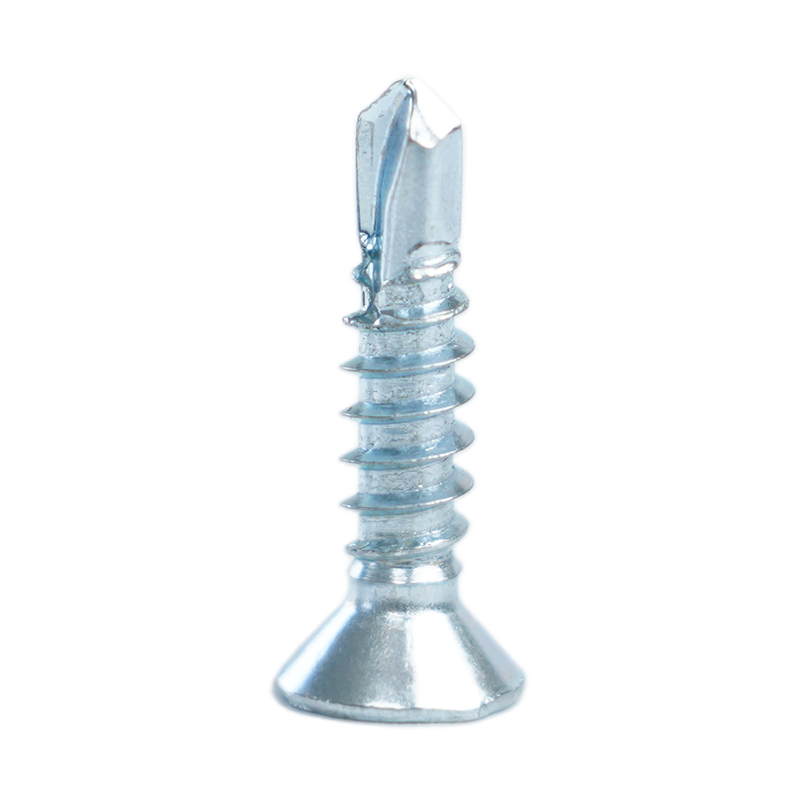
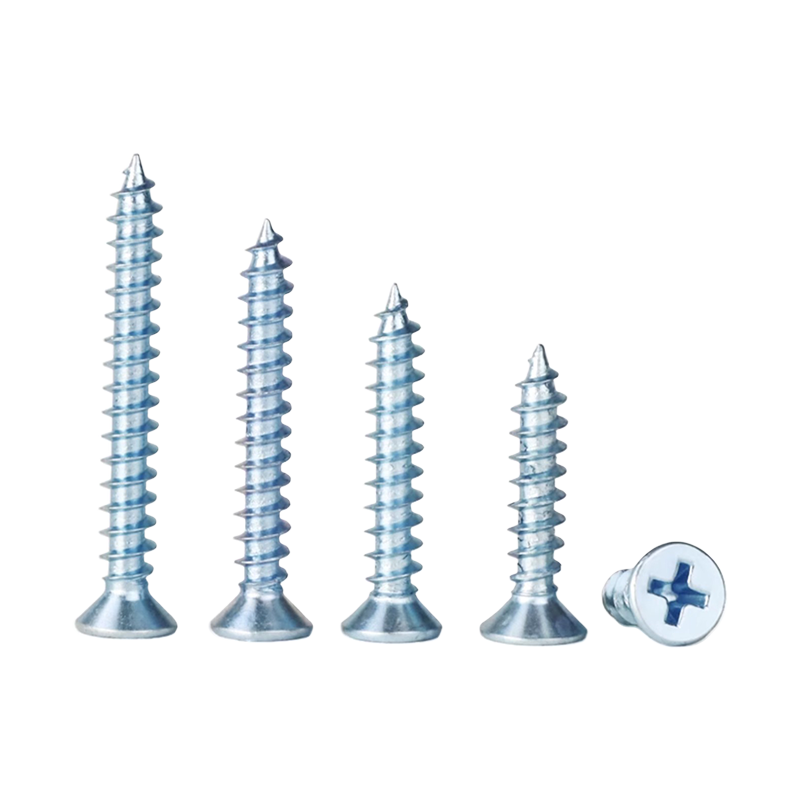
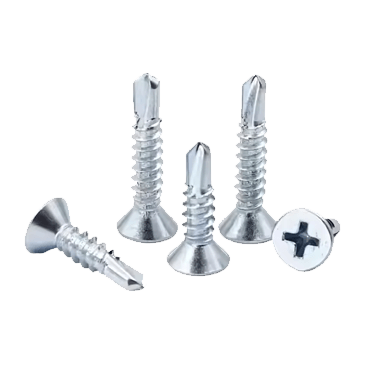
- Countersunk (flat head): 90° tapered head that sits flush with or below the mating surface when installed in a countersunk hole. Essential where protruding heads would create interference or present a hazard.
- Button head (low profile): Low-dome head with a wide bearing area and clean aesthetic. Common in consumer electronics, furniture hardware, and visible architectural fixings.
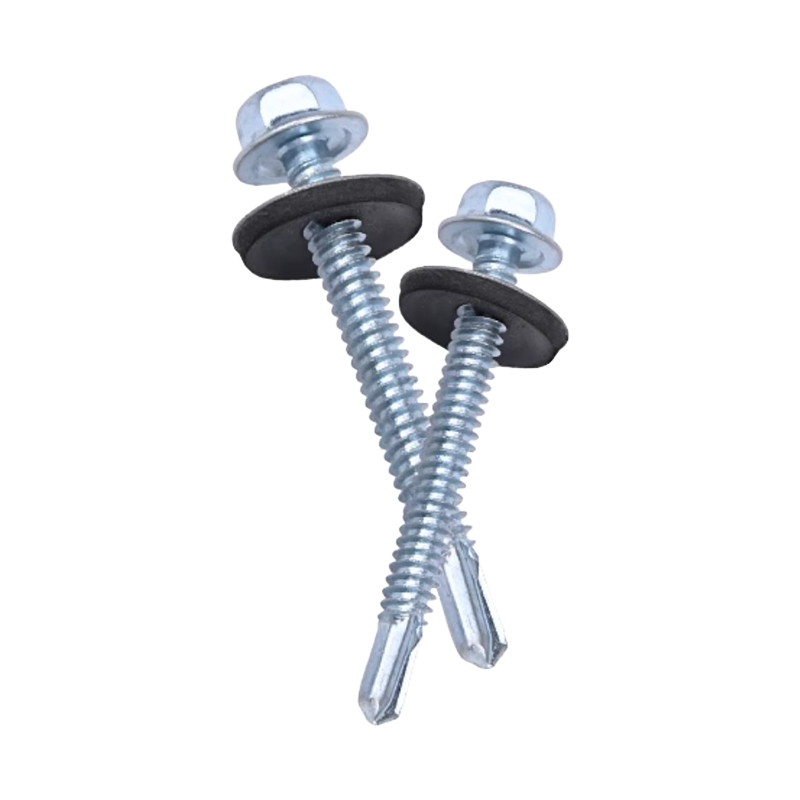
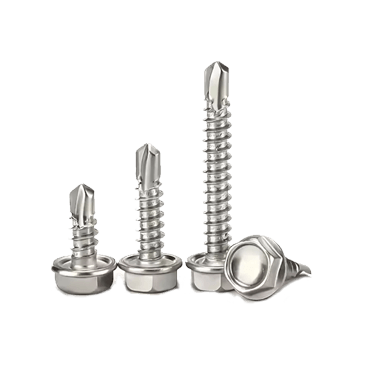
- Hex head (bolt): Standard six-sided head for wrench or socket installation. Used where high torque is required or where tool access precludes a driver.
- Socket head cap screw: Cylindrical head with internal hex socket. High torque capacity, compact profile, and precision machined tolerances make this the preferred choice in engineering and machinery assembly.
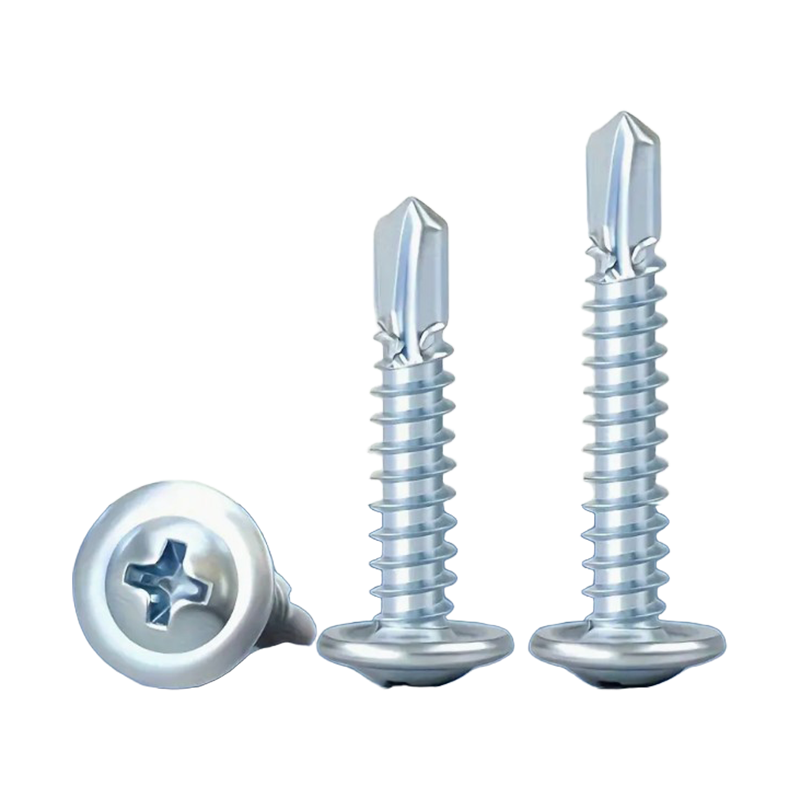
Drive system selection on SUS304 screws carries additional importance because stainless steel is softer than carbon steel — driver cam-out under high torque can strip the recess in the screw head before the fastener reaches its proof load. Phillips drives are particularly prone to cam-out in stainless; Pozidriv, hex socket, and Torx (star) drives provide significantly better torque transmission and are preferred in production assembly environments where power tools are used.
Thread Types and Pitch Standards
SUS304 screws are produced in metric (ISO), unified inch (UNC/UNF), and self-tapping thread forms. The appropriate thread type depends on the regional standard of the end product and the mating material:
- Metric coarse (ISO M series): The global standard for machine screws. Pitch increases with diameter — M4×0.7, M5×0.8, M6×1.0, M8×1.25, M10×1.5, and so on. Coarse pitch is standard for most general fastening applications.
- Metric fine: Reduced pitch relative to diameter. Higher thread engagement per unit length, better resistance to vibration loosening, and finer torque control. Common in precision instruments and automotive applications.
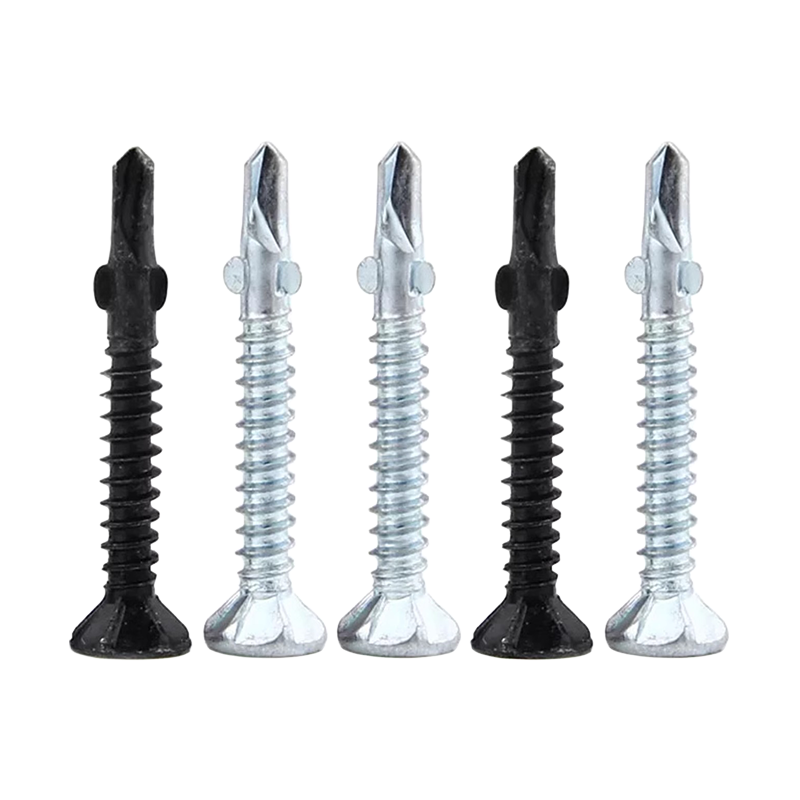
- Self-tapping screws: Thread-forming or thread-cutting variants that create their own thread in the mating material. SUS304 self-tapping screws are widely used in sheet metal fabrication, electronics enclosures, and plastic housings. The reduced hardness of SUS304 compared to carbon steel limits self-tapping performance in harder base materials — verify that the screw hardness exceeds the substrate hardness by an adequate margin.
- Wood screws: SUS304 wood screws with coarse, sharp threads are standard for exterior timber construction, decking, and cladding where corrosion resistance is needed and carbon steel screws would stain the wood with rust streaks.
Galling: The Specific Risk of Stainless-on-Stainless Assembly
Galling — also called cold welding or thread seizure — is a failure mode specific to stainless steel fasteners that is disproportionately underappreciated by engineers and procurement teams familiar only with carbon steel. When a SUS304 screw is threaded into a SUS304 nut or tapped hole, the passive oxide films on the two surfaces are disrupted by friction during assembly. Without the film, bare stainless-to-stainless contact under pressure causes micro-welding at asperities, progressively increasing torque and ultimately seizing the fastener irremovably — often before full clamping load is reached.
Galling risk is highest at fast assembly speeds (power tool installation), with fine threads, and in large-diameter fasteners. Prevention measures include:
- Anti-galling lubricant: Applying a thin film of nickel-based anti-seize compound, molybdenum disulfide paste, or PTFE-based lubricant to the thread before assembly reduces metal-to-metal contact and prevents oxide film breakdown. This is the most effective single countermeasure.
- Dissimilar grades: Pairing a SUS304 screw with a SUS316 nut (or vice versa) reduces galling tendency because the dissimilar microstructures inhibit the cold-welding mechanism.
- Reduced installation speed: Hand-threading engagement before applying power tools, and limiting power tool speed during final tightening, significantly reduces galling incidence.
- Thread quality: Well-finished threads with correct pitch and form tolerance gall less than rough or oversized threads. Specifying fasteners to ISO 4759 tolerance class 6g/6H reduces the risk.
SUS304 vs. SUS316 vs. SUS410: Choosing the Right Stainless Grade
SUS304 is the correct specification for the majority of stainless screw applications, but two other grades are frequently encountered and warrant direct comparison:
- SUS316 (A4 stainless, 316/316L): Adds 2–3% molybdenum to the 18-8 base, substantially improving resistance to chloride pitting and crevice corrosion. The correct choice for marine environments, coastal installations, chemical processing, and food industry applications involving saline or acidic cleaning agents. Cost premium over SUS304 is typically 20–40%.
- SUS410 (martensitic stainless): Approximately 12% chromium with no nickel, heat-treatable to significantly higher hardness than austenitic grades. Used where hardness and wear resistance are priorities — self-tapping screws, thread-cutting fasteners, and applications requiring magnetic properties. Corrosion resistance is substantially lower than SUS304; SUS410 will rust in outdoor exposure without surface treatment.
- SUS304 remains the default when corrosion resistance beyond carbon steel is needed but chloride exposure is not a primary concern, and when the application budget does not justify SUS316's premium. It represents the best balance of cost, corrosion resistance, formability, and availability across the widest range of fastener types and sizes.