 +86-15052135118

 Español
 Get In Touch


A fastener spec that looks fine on paper can still strip out in the field if the thread type doesn't match the substrate. Self Tapping Pan Head Metal Screws solve the pre-threading step, but only when diameter, thread form, and material grade are matched correctly to the job. This guide covers what to check before specifying a batch.
Content
[ What These Screws Are ]
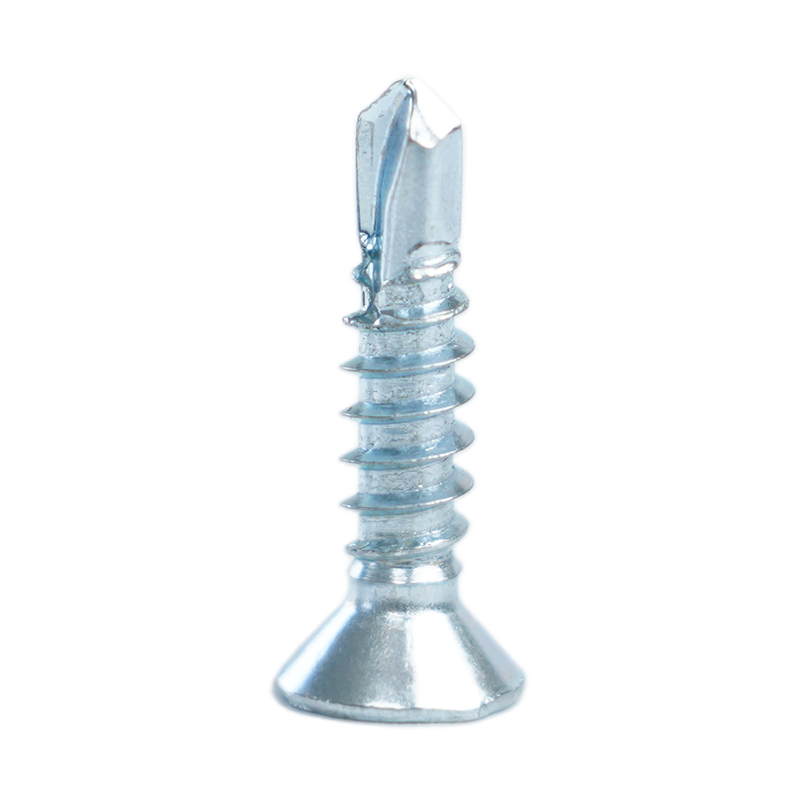
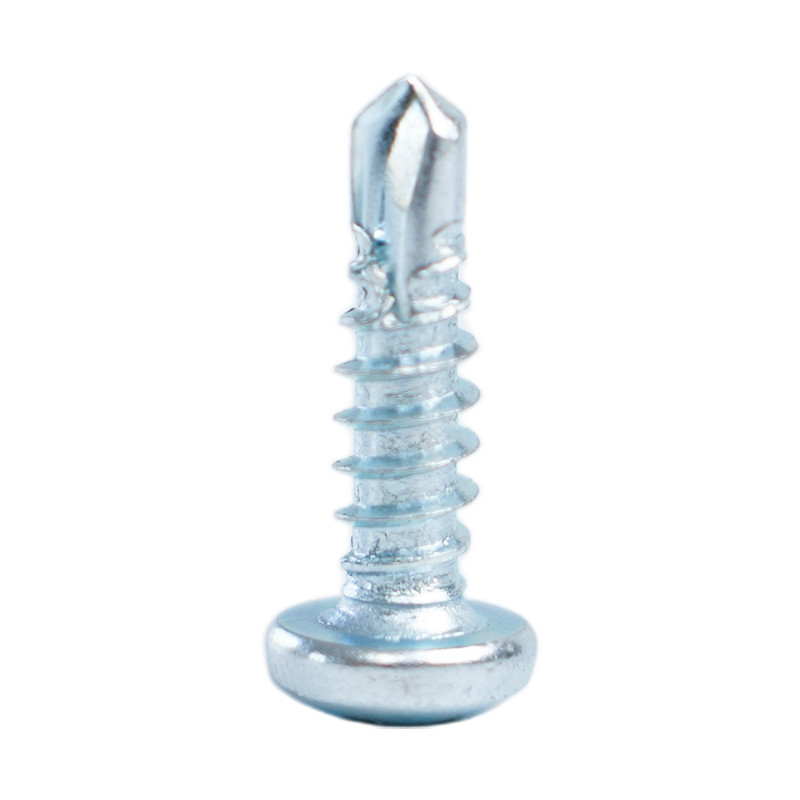
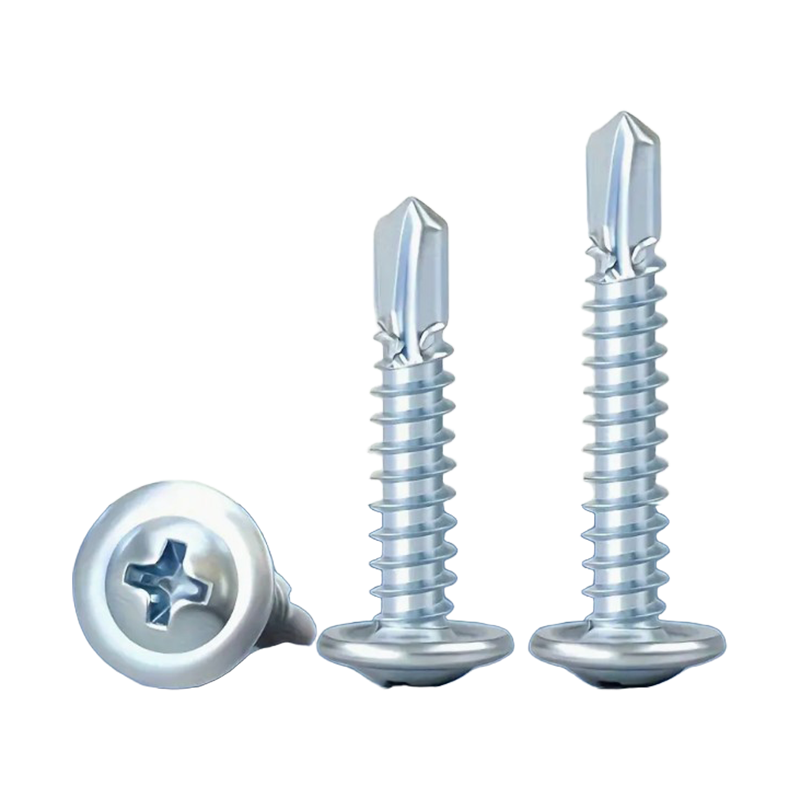
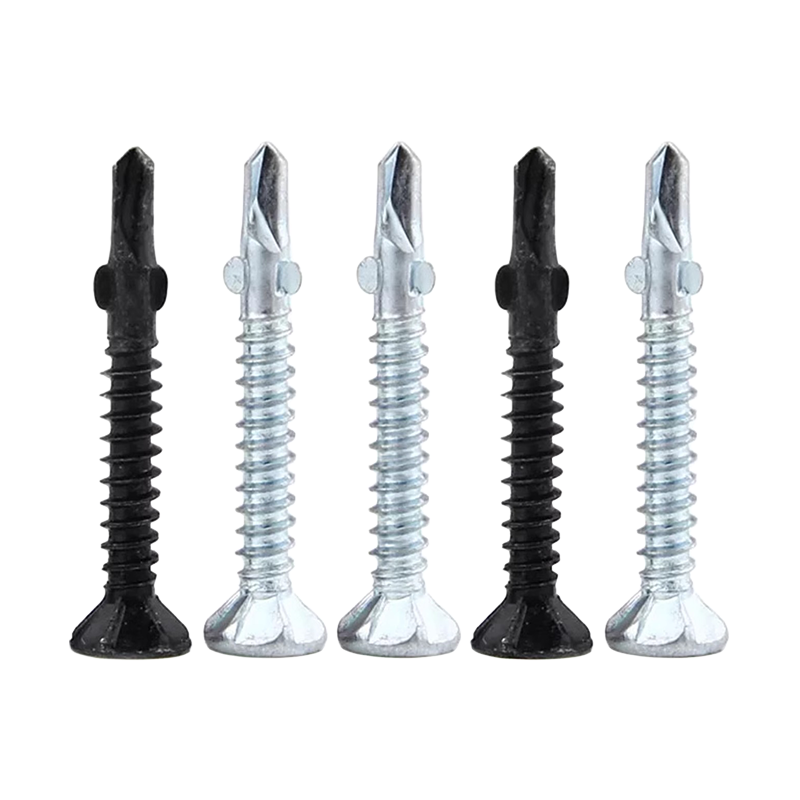
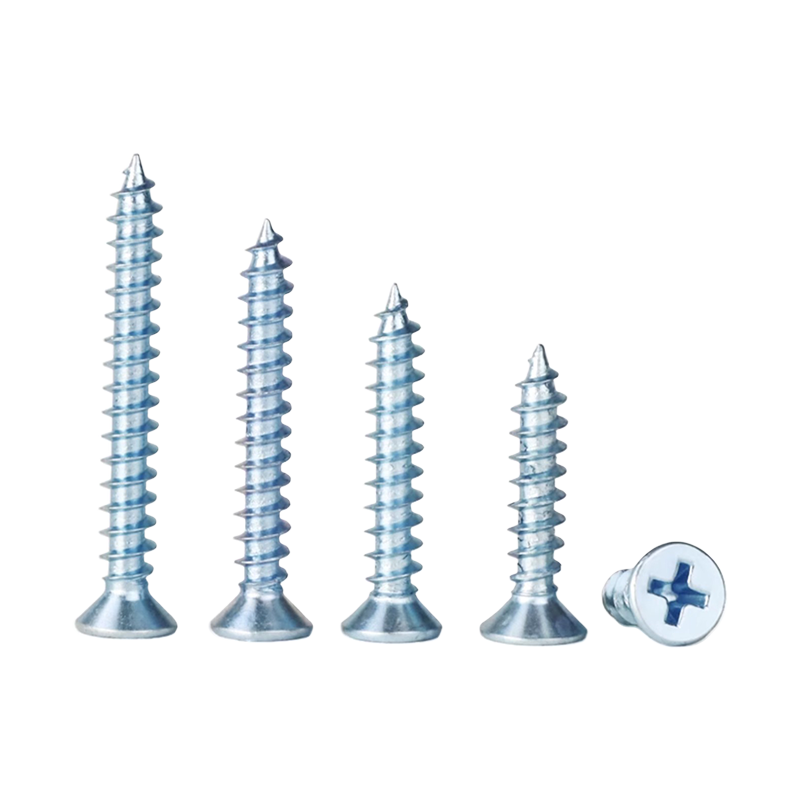
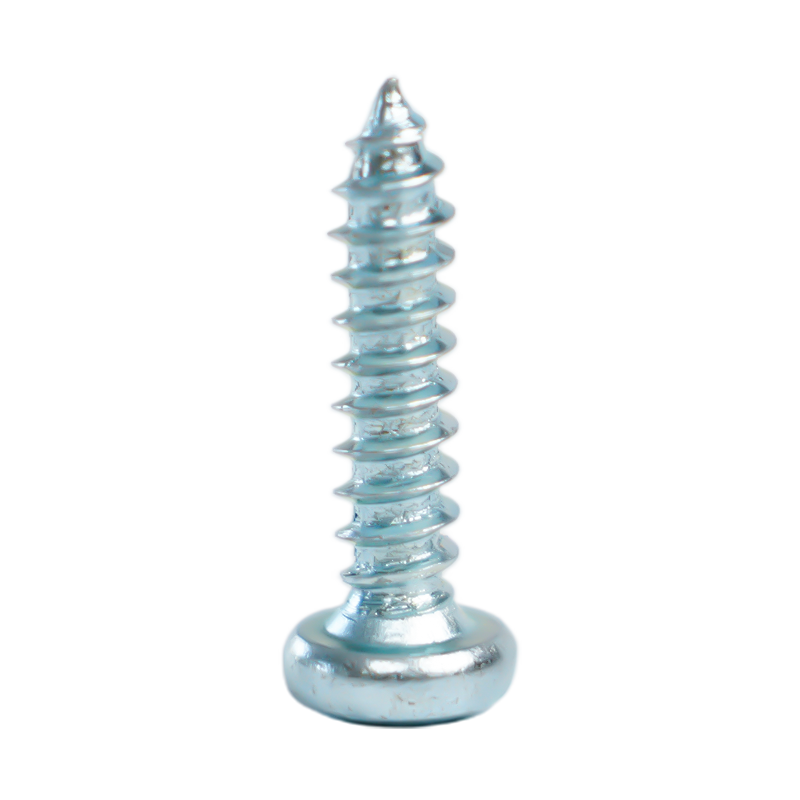
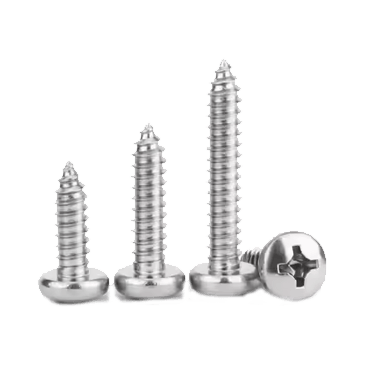
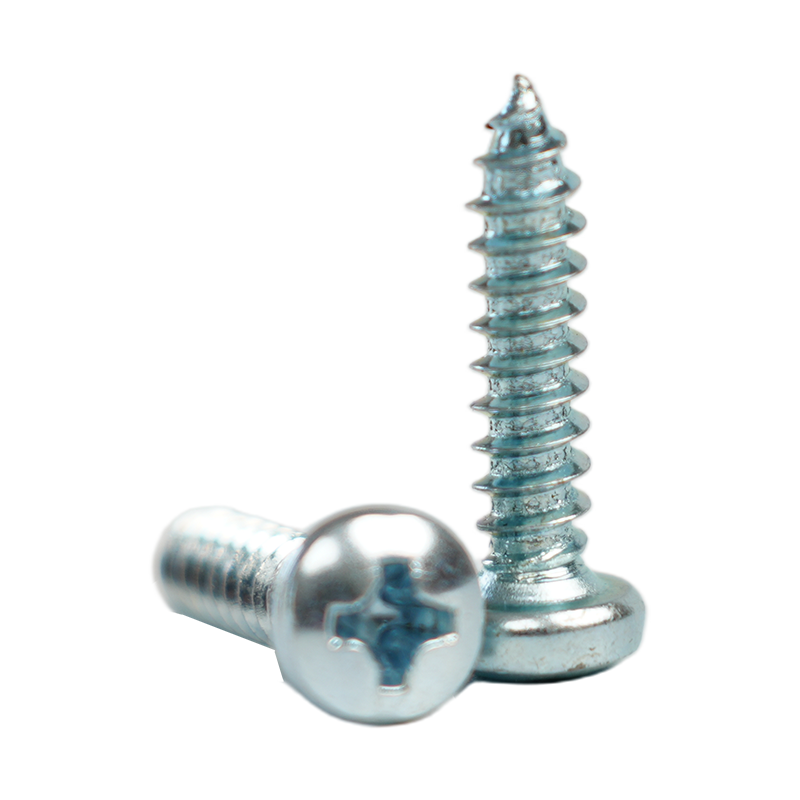
Self Tapping Pan Head Metal Screws cut or form their own mating threads as they're driven into metal, plastic, or composite substrates, removing the pre-threading step that traditional machine screws require. The construction pairs a rounded pan head, which spreads clamping load over a wider bearing surface, with a sharp or drill-point tip engineered to cut clean threads on the first pass.
[ How the Thread Engages ]
- The tip contacts the substrate surface under axial pressure.
- Rotation generates a cutting or forming action into the base material.
- Threads form directly inside the substrate as the screw advances.
- The pan head seats and clamps the joined components together.
- A mechanical joint forms without a separate tapping operation.
— Outcome depends on four variables: thread design, substrate hardness, screw strength, and installation torque. Getting any one wrong undermines the other three.
A screw rated for sheet steel will not perform the same way in cast aluminum or reinforced plastic. Thread pitch and tip geometry need to match the substrate, not just the fastener diameter.
[ Specification Checklist ]
| No. | Spec | Why It Matters |
| 01 | Screw diameter and length | Sets load capacity and material penetration depth |
| 02 | Thread type | Must match substrate hardness — sheet metal, plastic, and cast material differ |
| 03 | Head diameter | Determines clamping surface area and finished appearance |
| 04 | Drive type | Affects installation speed and cam-out resistance |
| 05 | Material grade | Governs tensile strength and fatigue resistance |
| 06 | Surface treatment | Determines corrosion resistance for the service environment |
[ Where They Get Used ]
Sheet metal fabrication relies on them for panels, enclosures, brackets, and frames where speed of assembly matters. Automotive manufacturing uses them across interior parts, body panels, and electrical components. Electronics and electrical equipment assembly favors them for control panels and device housings where compact, precise fastening is required. Machinery builders use them on covers and mechanical assemblies, and construction applications include metal structures, roofing systems, and building panels.
[ Self Tapping vs Traditional Screws ]
| Factor | Self Tapping Pan Head Screws | Traditional Screws |
| Thread preparation | Forms threads during installation | Requires pre-threaded holes |
| Installation speed | Faster, fewer steps | Slower, additional machining needed |
| Assembly cost | Lower | Higher, due to extra processing |
| Holding strength | High, when properly matched to substrate | Depends on thread engagement quality |
| Typical range | Metal, plastic, machinery, electronics | General fastening applications |
[ How to Choose the Right Screw ]
Start with the substrate: steel, aluminum, plastic, and composite panels each call for a different thread pitch and tip geometry. Match screw diameter and length to the actual load and material thickness rather than defaulting to what was used on a previous job. Check the operating environment for corrosion exposure and specify a coating accordingly, and request tensile strength and torque test data from the supplier rather than relying on a generic strength-grade label. For high-volume production, confirm the manufacturer can hold dimensional and coating consistency across large batches.
Frequently Asked Questions
Can self tapping screws be reused after removal?
They can often be reinserted into the same hole, but repeated removal and reinsertion can wear the formed threads, so critical joints should be inspected or use a fresh screw on reassembly.
What's the difference between thread-cutting and thread-forming self tapping screws?
Thread-cutting screws remove material to create threads, suited to harder substrates, while thread-forming screws displace material without removing it, which works well in softer metals and plastics without generating debris.
Do self tapping pan head screws work in aluminum?
Yes, provided the thread pitch and tip design are matched to aluminum's softer substrate; a thread type suited to steel can strip out aluminum if applied without adjustment.
What surface treatment should be used outdoors?
Zinc plating handles moderate exposure, but Dacromet or stainless steel grades generally offer stronger long-term corrosion resistance for sustained outdoor or humid environments.
 |