 +86-15052135118

 Español
 Get In Touch


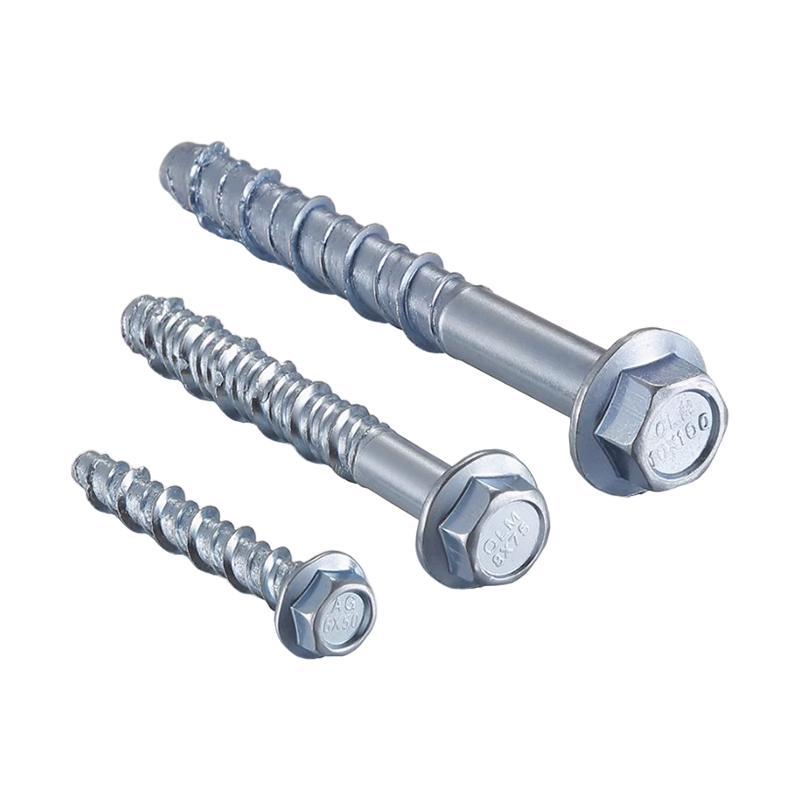
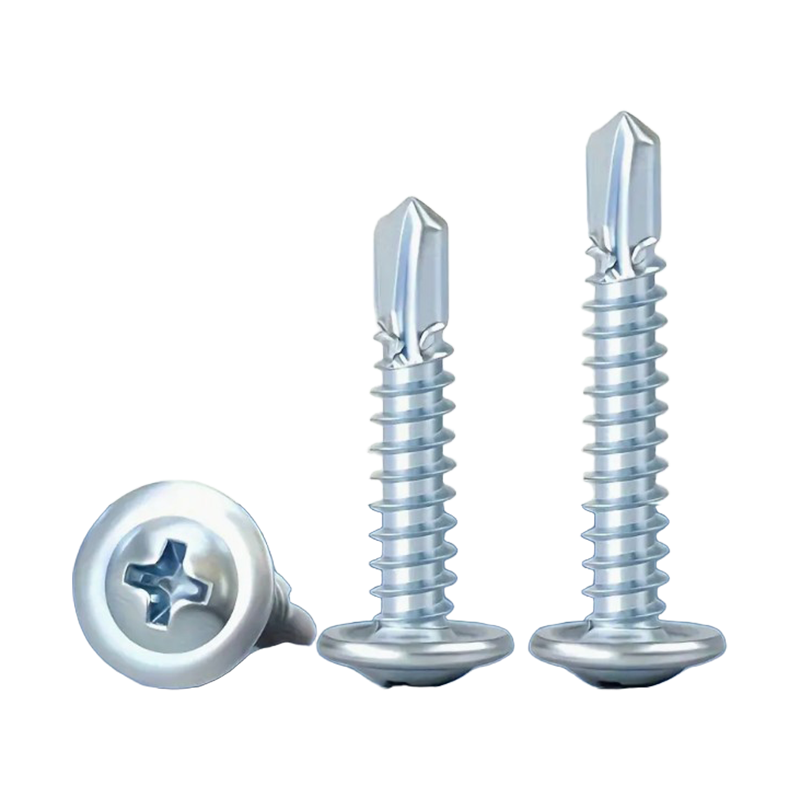
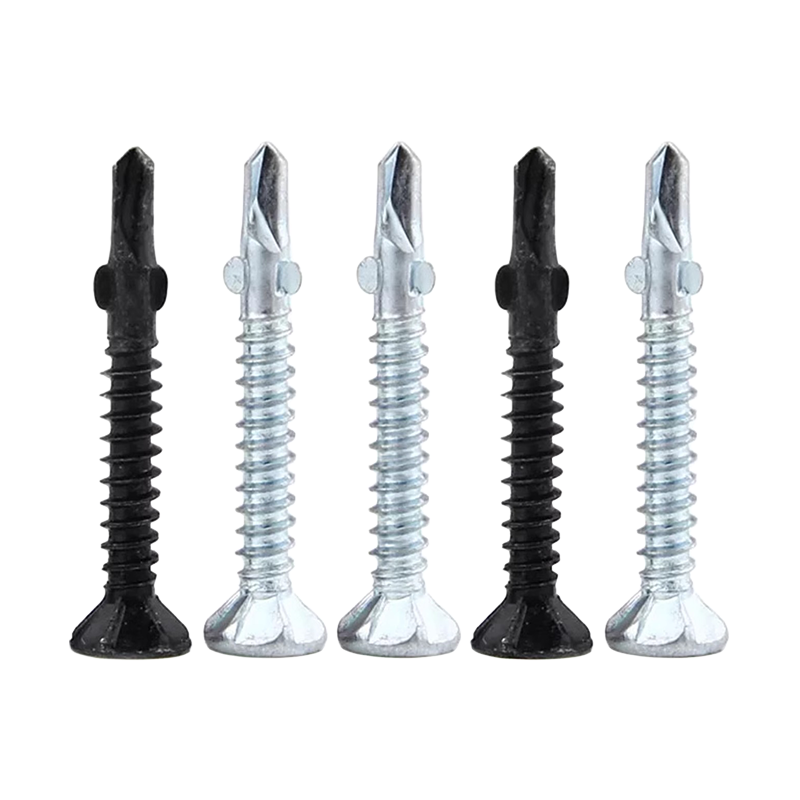
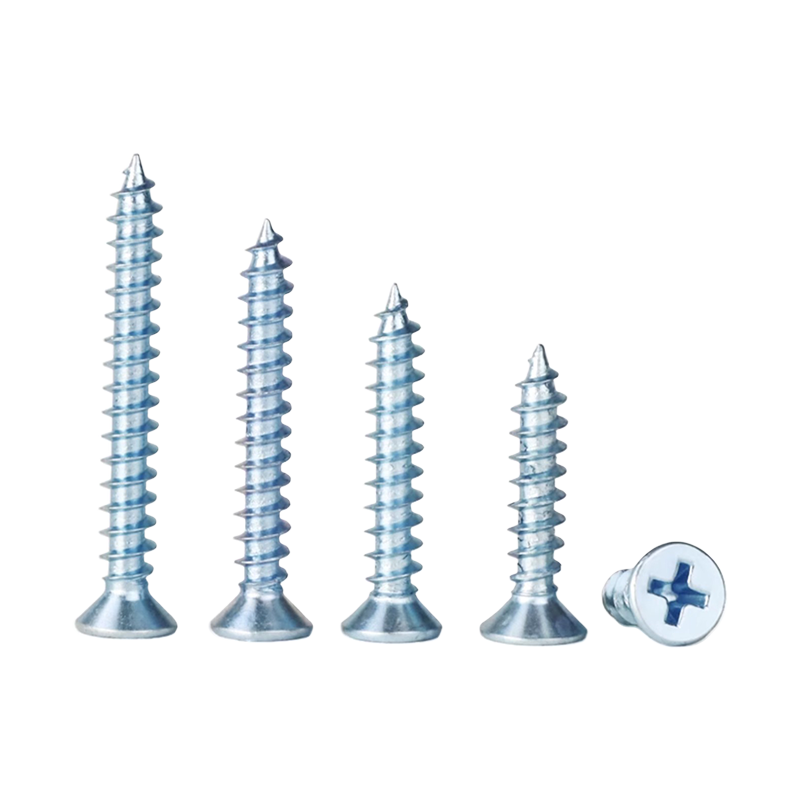
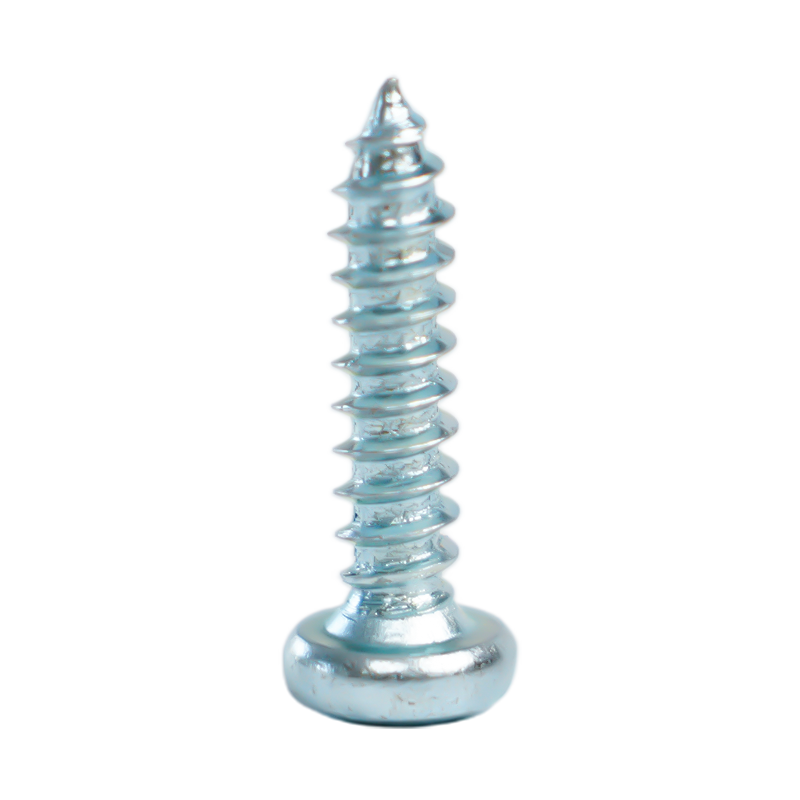
Drilling a hole and driving an anchor used to mean two separate purchases and two separate steps. Concrete self tappers cut their own thread straight into the pre-drilled hole, turning that two-step process into one.
Content
Why This Beats a Separate Anchor Step
Traditional anchors need a sleeve or plug set into the hole before a screw or bolt goes in behind it, adding a component, a step, and a chance for misalignment. A concrete self tapper skips that middle step entirely, cutting its own thread directly into the substrate so the fastener and the anchor are the same single part.
Where Contractors Reach for Self Tappers First
- Metal framing and wall panels: fast, repeatable fixing points across long runs
- Electrical installation: mounting cable trays, boxes, and conduit supports into concrete or block
- HVAC systems: securing brackets and pipe supports to structural surfaces
- Renovation work: removable fixing that simplifies later equipment swaps
Concrete Self Tappers Against Expansion Anchors
| Factor | Concrete Self Tappers | Expansion Anchors |
| Installation steps | Drill and drive, single fastener | Drill, insert anchor, then fastener |
| Removability | Can be backed out and reused | Often difficult to remove cleanly |
| Labor time | Lower, fewer parts to place | Higher, more handling per fixing point |
| Best fit | General fixing, electrical, HVAC mounting | Heavy structural anchoring loads |
Pilot hole diameter and depth are not interchangeable across brands. Always follow the specific screw manufacturer's drilling chart rather than reusing a hole size from a different product line.
Specifications That Decide Real-World Performance
Screw diameter and length need to match both the base material's strength and the load the fixture will carry, while thread design affects how much holding force develops in a given concrete grade. Coating choice, whether zinc plating or a heavier corrosion package, should match the installation environment, particularly for any outdoor or high-moisture application.
Working With a Manufacturer You Can Trust
Thread rolling precision and heat treatment control determine whether a screw holds its rated load or strips out under stress. An experienced concrete screws manufacturer should provide pull-out and torque test data, along with custom diameter, length, head style, and coating options for your project.
Frequently Asked Questions
Do concrete self tappers work in all concrete grades?
Performance varies with concrete strength, so pilot hole size and screw selection should be matched to the specific concrete grade rather than assumed to be universal.
Can concrete self tappers be removed and reused?
Yes, one advantage over expansion anchors is that they can typically be backed out and the fixture reinstalled or replaced without destroying the original hole.
What coating is recommended for outdoor installation?
Heavier corrosion-resistant coatings such as zinc nickel or Dacromet are generally recommended over standard zinc plating for outdoor or high-humidity environments.
Is a pilot hole always required?
Yes, concrete self tappers still require a correctly sized pre-drilled pilot hole; they eliminate the need for a separate anchor component, not the drilling step itself.