 +86-15052135118

 Español
 Get In Touch


Content
What a Self Drilling Screw Actually Does
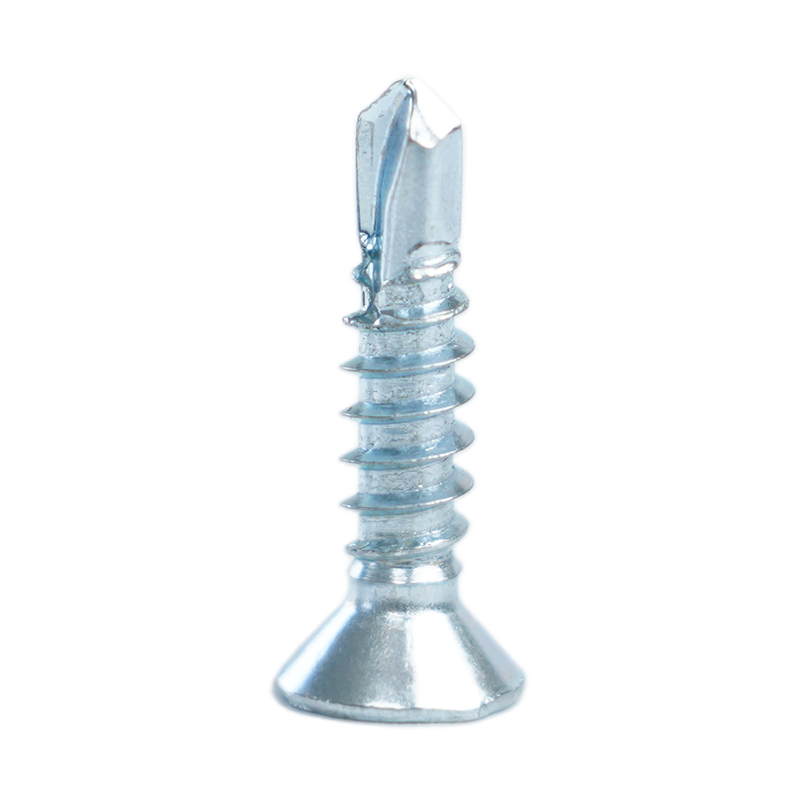
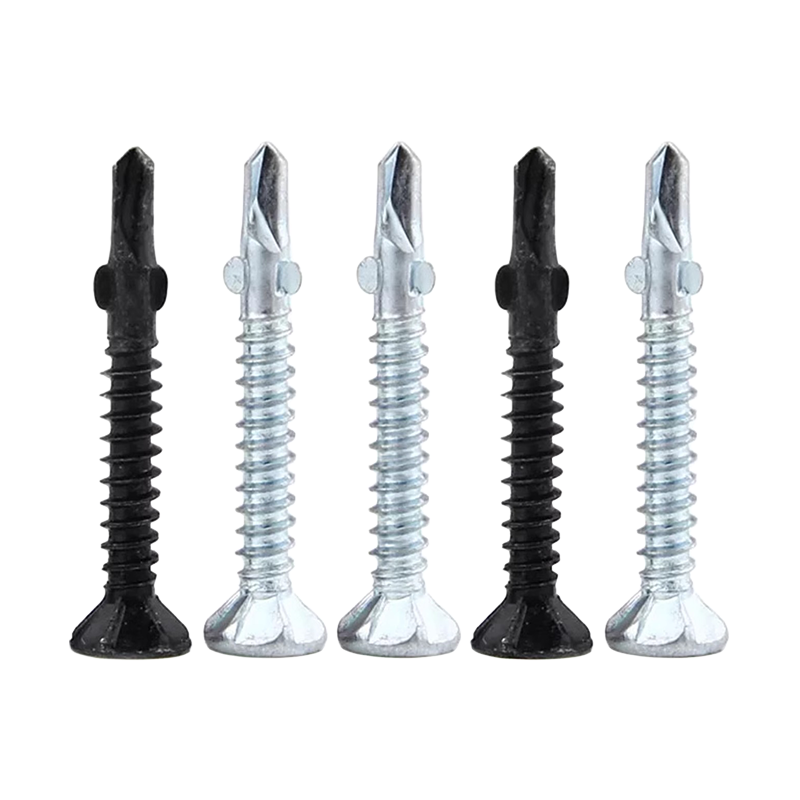
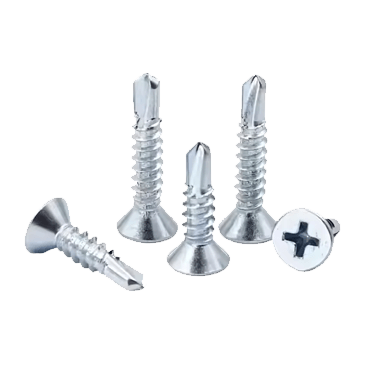
A self drilling screw combines a drill bit point with standard screw threads in a single fastener, eliminating the need to pre-drill a pilot hole before driving. The drill point bores through the material first, and as the fastener continues to advance, the threads engage and pull the screw home, all in one continuous driving motion. This is functionally different from a self-tapping screw, which requires an existing pilot hole and only cuts or forms threads as it's driven — a distinction buyers frequently confuse when specifying fasteners for metal-to-metal applications.
The efficiency gain is substantial on production lines and job sites: a single-step drill-and-fasten operation can cut installation time by roughly half compared to a pre-drill-then-fasten sequence, which is why self drilling screws dominate metal building construction, HVAC ductwork, and light-gauge steel framing where thousands of fasteners are installed per project.
Anatomy of the Drill Point
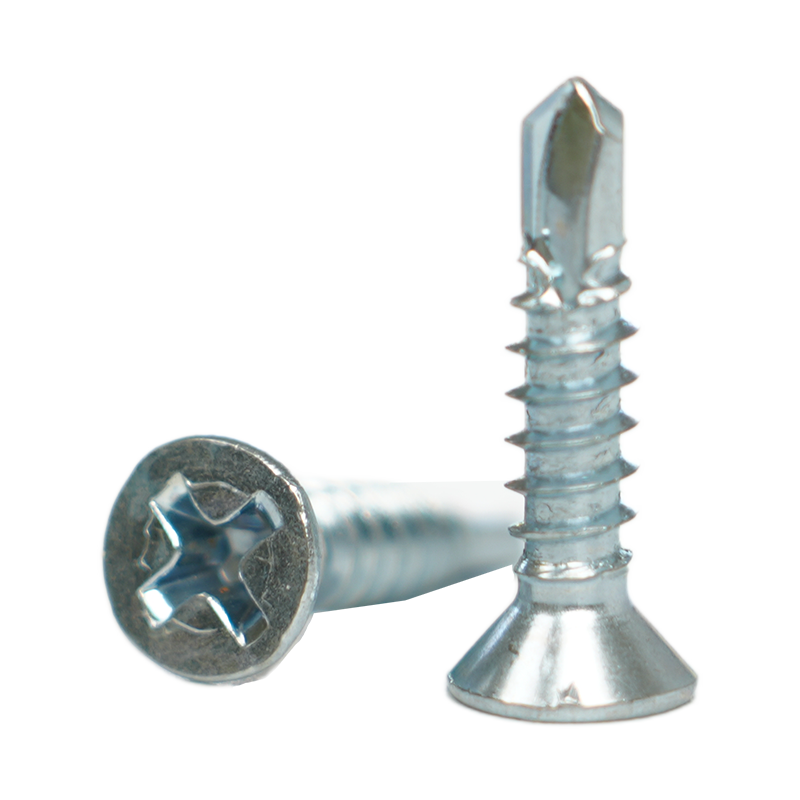
The drill point geometry is what separates a reliable self drilling screw from one that snaps, wanders, or fails to penetrate cleanly. Point size is measured in numbered increments that correspond to the maximum steel thickness the point can drill through without pre-drilling, and matching this number to the actual substrate thickness is the single most important sizing decision a buyer makes.
| Drill Point Size | Max Steel Thickness | Typical Application |
|---|---|---|
| Point 2 | Up to 1.6mm | Light-gauge metal stud framing, HVAC sheet metal |
| Point 3 | Up to 3.0mm | Steel purlins, medium-gauge structural steel |
| Point 4 | Up to 4.8mm | Heavy structural steel connections, thicker plate |
| Point 5 | Up to 6.3mm | Heavy-duty steel-to-steel structural fastening |
Undersizing the drill point relative to the substrate is the most common cause of installation failure in the field — the point either overheats and burns off before penetration completes, or the screw wanders off-center as it struggles to bore through material thicker than it's rated for.
Thread Types and Their Applications
Beyond the drill point, thread geometry determines what materials the screw can effectively fasten into. Fine threads are standard for thin-to-thick metal applications where maximum thread engagement in a thin top sheet matters, while coarse threads are used when the screw needs to grip into thicker or softer base material.
- Fine machine threads suit metal-to-metal fastening where both pieces are relatively thin gauge steel
- Coarse threads with a wider pitch are preferred when the base material is thicker steel or when maximum pull-out resistance is required
- Type S and Type S12 threads, common in metal building systems, are specifically optimized for fastening light-gauge sheet to structural steel framing members
Coatings and Corrosion Resistance
Coating selection determines how long a self drilling screw survives in its installed environment, and this is where buyers most often underspend relative to the actual service conditions. A screw rated for interior dry-wall applications will corrode and fail structurally within a few years if used on an exterior roofing or cladding project, regardless of how strong the base steel is.
| Coating | Salt Spray Resistance | Recommended Environment |
|---|---|---|
| Zinc electroplated | Approx. 96-200 hours | Dry interior applications only |
| Zinc-aluminum (Dacromet-type) | Approx. 500-1000 hours | Exterior cladding, mild coastal exposure |
| Ruspert or equivalent | 1000+ hours | Roofing, coastal, high-corrosion industrial environments |
| Stainless steel (410/304/316) | Significantly higher, non-coating dependent | Marine environments, food processing, chemical exposure |
Salt spray hours from ASTM B117 testing are a useful comparative benchmark, but buyers should treat them as relative indicators rather than a direct prediction of real-world service life, since actual corrosion depends heavily on the installed environment's humidity, pollutant exposure, and drainage design.
Head Styles and Driving Considerations
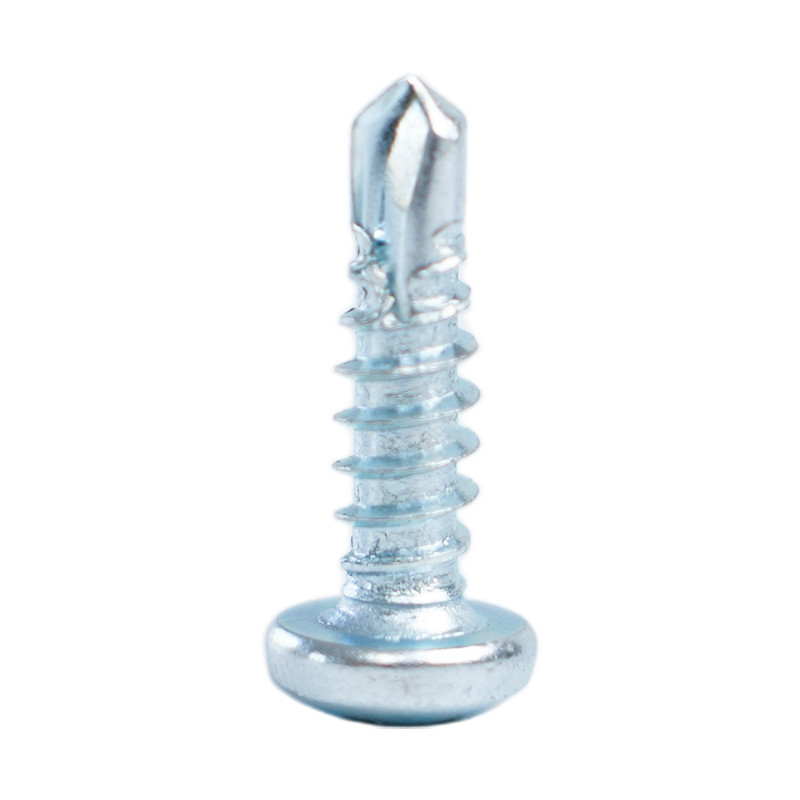
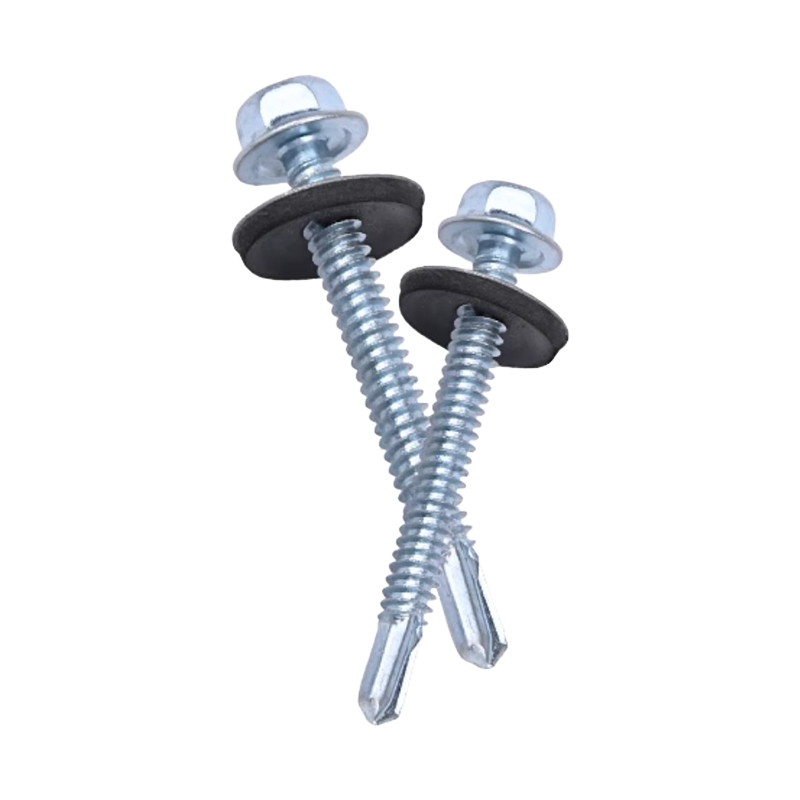
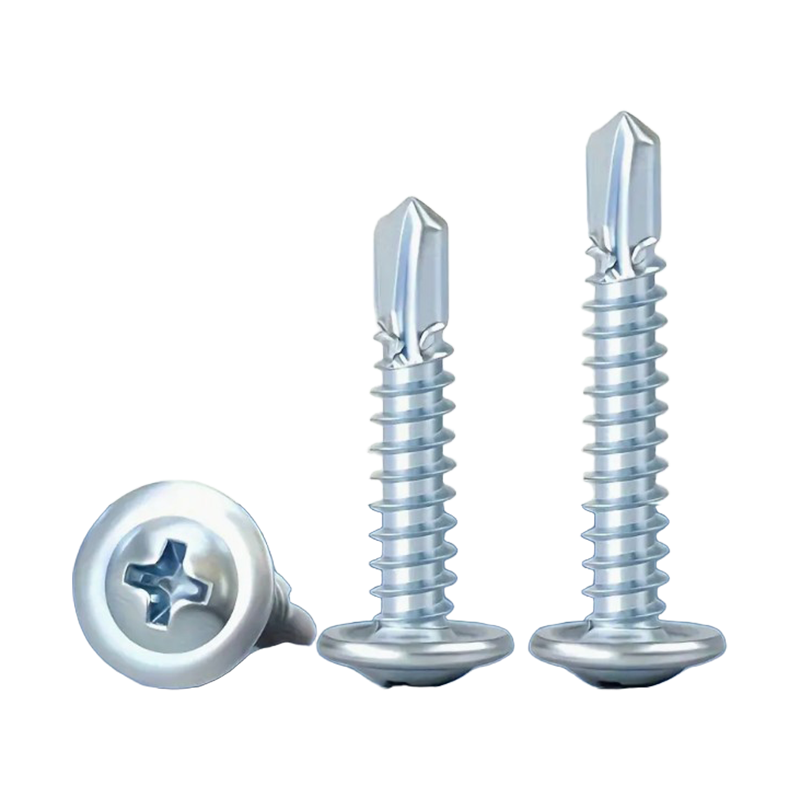
Head style is chosen based on the application's load path and finish requirements. Hex washer heads are the most common for structural steel connections because the integrated washer face distributes clamping load and resists over-driving, while wafer and pan heads are typically specified where a lower profile is needed, such as fastening trim or thin sheet metal.
- Hex washer head — structural connections, purlin-to-frame fastening, roofing panel attachment
- Wafer head — low-profile applications where the fastener head must sit close to the surface
- Pan head with Phillips or square drive — general sheet metal and light-gauge framing work
- Truss head — decorative or trim applications requiring minimal head profile without sacrificing bearing surface
Drive type also affects installation consistency at scale: square and Torx-style recesses resist cam-out and stripping far better than Phillips heads under the sustained torque of powered screw guns, which matters significantly on large-volume installations like metal roofing where thousands of fasteners are driven per project.
Common Installation Mistakes and How to Avoid Them
Most field failures attributed to a defective self drilling screw actually trace back to installation error rather than the fastener itself. Over-driving is the most frequent issue: pushing the screw past the point where the washer or head seats fully strips the drilled hole and dramatically reduces pull-out resistance, even though the screw appears fully installed.
- Set screw gun clutch torque to stop driving as soon as the head or washer seats flush, rather than relying on operator feel
- Drive the screw perpendicular to the work surface — angled driving causes the drill point to wander and can crack or deform thin sheet material
- Confirm drill point size matches the thickest layer being fastened, particularly on multi-layer assemblies
- Avoid reusing a screw that has already been partially driven and backed out, since the drill point dulls rapidly after first contact with metal
Sourcing and Specification Checklist
Buyers sourcing self drilling screws in bulk should treat drill point size, thread type, coating, and mechanical property class as four independent specifications rather than accepting a single generic product description, since suppliers frequently substitute on one of these without flagging the change.
- Request drill point rating (Point 2 through 5) matched to the actual maximum substrate thickness in the application
- Confirm coating type and salt spray test results appropriate to the installed environment, not just a generic "zinc plated" description
- Verify mechanical property class (commonly Class 4.6 or 5.8 for carbon steel self drilling screws) if the fastener is load-bearing
- Request a torque and pull-out test report for structural or safety-critical applications, particularly for large or repeat orders
- Confirm packaging and labeling meet the destination market's fastener identification requirements, especially for construction and building code compliance