 +86-15052135118


 Español

 Get In Touch


That sequence of more torque, sudden breakage, and expensive rework is so routine that many crews treat it as normal. It is not normal. Overtightening is the most avoidable fastener failure in construction, and it happens because one fact is widely misunderstood: a screw delivers maximum clamping force at exactly one torque value, and every further turn past that point destroys the connection.
Wuxi Sharp Metal Products Co., Ltd., a screw manufacturer producing carbon steel, SUS304, and SUS410 stainless steel fasteners since 1993, sees the effects of overtightening in returned batches, field call-backs, and warranty claims. Fixing the problem starts with understanding what torque actually does to the metal inside a screw.
Content
What Does Overtighten Mean at the Material Level?
A screw is a tension spring. As it is driven into a joint, it stretches along its axis, and that elastic stretch creates the clamp force holding the parts together. Remove the screw, and it springs back to its original length. This is the elastic zone. At the yield point the steel begins to flow. From that turn onward, the screw is permanently longer, the shank necks down, and the clamp load stops rising and starts to fall even while the driver keeps turning.
Installers rarely feel the yield point. Driver resistance stays similar until the screw suddenly strips or snaps, which is exactly why torque controlled by wrist feel is so unreliable.
Five Failure Modes Caused by Overtightening
Every overtightening failure is a mechanical result of stress beyond yield, and all five of the failure modes below mean the joint has to be scrapped and redone.
| Failure mode | Mechanism | Field result | Detection |
| Stripped internal threads | Screw thread shears the mating thread | Joint can never reach preload | Nut spins freely, low torque reading |
| Cam-out of the drive | Bit slips out of the recess | Screw cannot be driven or removed | Rounded cross or Torx recess |
| Head torsion fracture | Shear stress exceeds the head-shank junction | Head detaches from the screw | Immediate, visible break |
| Thread galling on stainless | Cold-welding of thread surfaces | Seizure and sudden breakage | Screw locks or snaps during driving |
| Dimpling or base cracking | Excess energy transfers into the substrate | Cosmetic damage, seal failure, cracks | Visible indentation or fracture |
The dominant failure mode depends on fastener design. A Phillips-head screw usually strips its drive long before the shank breaks, a silent failure because the joint feels loose rather than broken. A hex-washer-head self-drilling screw has a drive that will not cam out, so torque keeps climbing until the head snaps with no warning at all.
- Recoverable after the tool is removed
- Clamp load proportional to stretch
- Safe working zone for every fastener
- Fatigue life fully preserved
- Permanent elongation of the shank
- Clamp load drops after the yield point
- Thread form and drive become damaged
- Fatigue life sharply reduced
How Much Torque Is Actually Safe?
Safe torque is the published value at which a fastener produces its rated clamp load while staying inside the elastic zone, and that value exists for every standard size, grade, and coating.
For metric hex bolts and nuts in property class 8.8, the standard tightening torques are familiar to most engineers:
Lubrication changes those numbers more than any other variable. A lightly oiled M10 bolt reaches its rated clamp load at roughly 30 percent lower torque than the same bolt delivered dry. Friction under the head and in the threads absorbs 40 to 50 percent of applied torque, which is why two identical screws driven with identical tools produce very different clamp loads when one is lubricated and the other is dirty.
Self-tapping and self-drilling screws do not come with torque tables as often as structural bolts, but the principle is identical: stop as soon as the head seats against the material, then allow no more than a quarter turn of additional rotation.
Seven Field Rules to Stop Overtightening
These seven rules eliminate most overtightening incidents on a working site, regardless of fastener family or base material.
- Use a torque-limited driver or a clutch setting set to the recommended value for every repetitive job.
- Read the specification sheet on the packaging or the engineering drawing; do not rely on memory.
- Match the driver bit exactly to the recess, because a worn bit cams out and invites more pressure.
- Drill a correct pilot hole in hardwood, thick steel, and concrete so the thread can form without extra force.
- Stop the moment the head seats; on soft materials the seating point is the limit.
- Re-torque critical joints ten minutes after the first pass to account for settling and creep.
- Calibrate torque tools at least once a year and after any drop.
Overtightening by Fastener Type: What Breaks First
Each fastener family has a characteristic first-failure point, and knowing that point tells you exactly when to stop turning the driver.
Drywall Screws
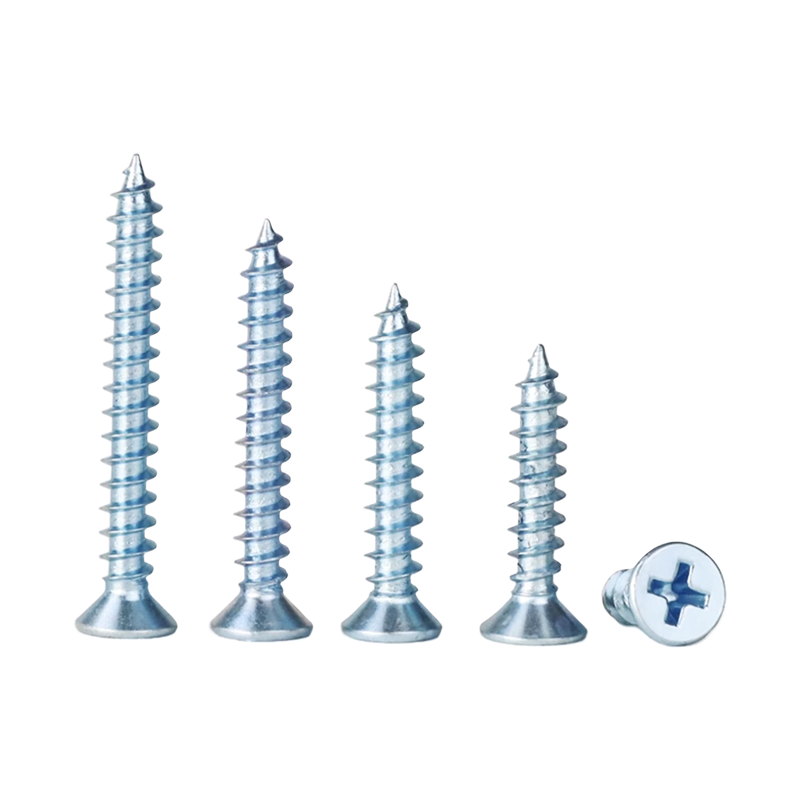
Drywall screws have a bugle head designed to create a shallow dimple about 1 mm deep in the paper face. The correct stopping point is the moment the head sinks flush with the surface. One extra half-turn tears the paper, collapses the dimple, and destroys the holding power of the screw. Because the head is countersunk, the mistake is often discovered only when the board comes loose weeks later.
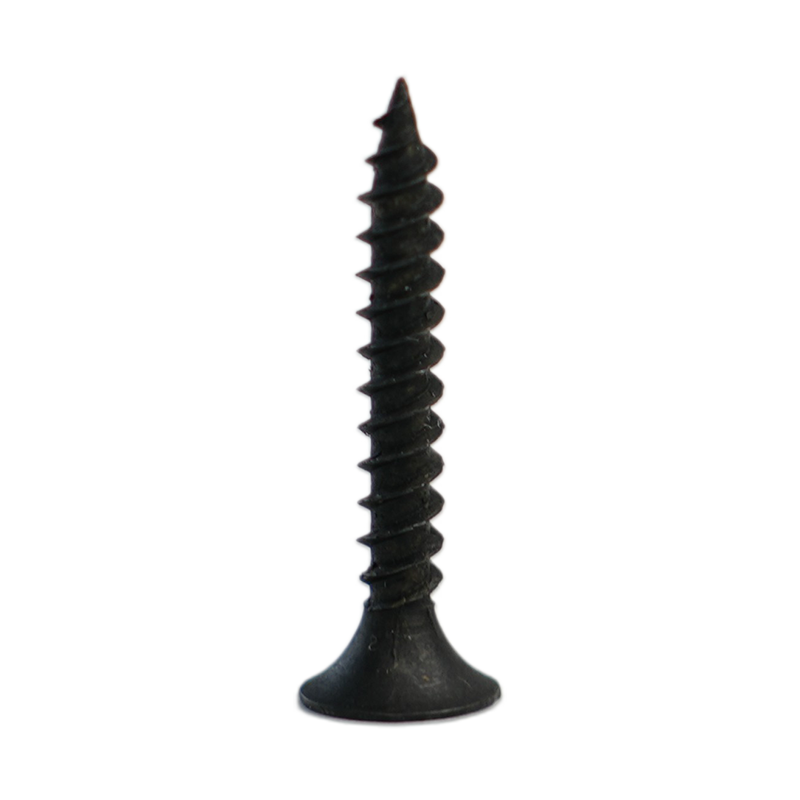 Drywall Screws with Countersunk Heads for Gypsum BoardDrywall screws are designed to seat flush with the paper face; overtightening tears the paper and ruins holding power. This page details the trumpet-head and thread options for attaching gypsum board to metal framing.View Product →
Self-Drilling Screws in Metal
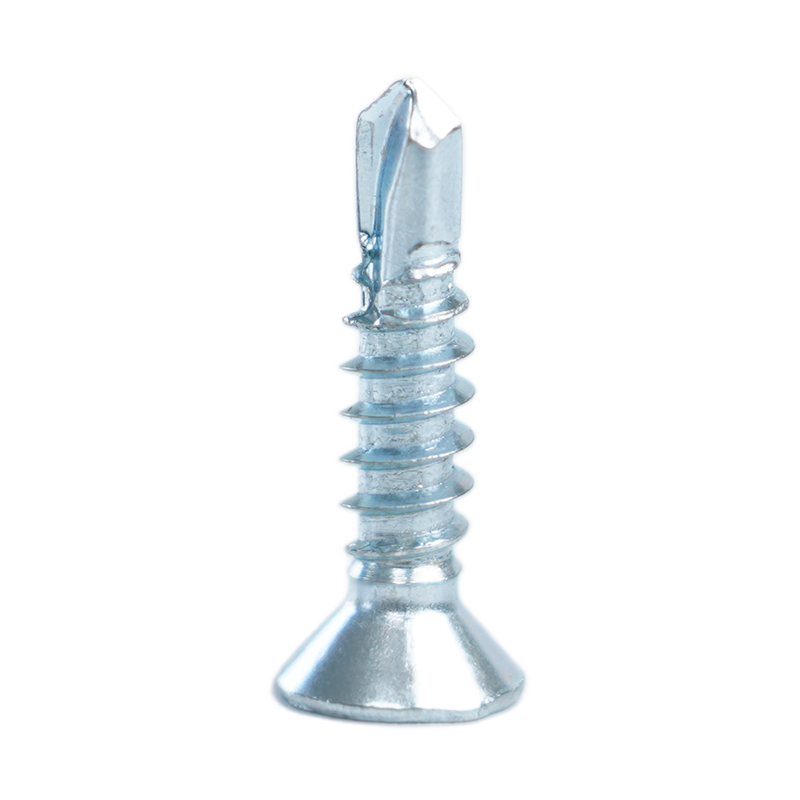
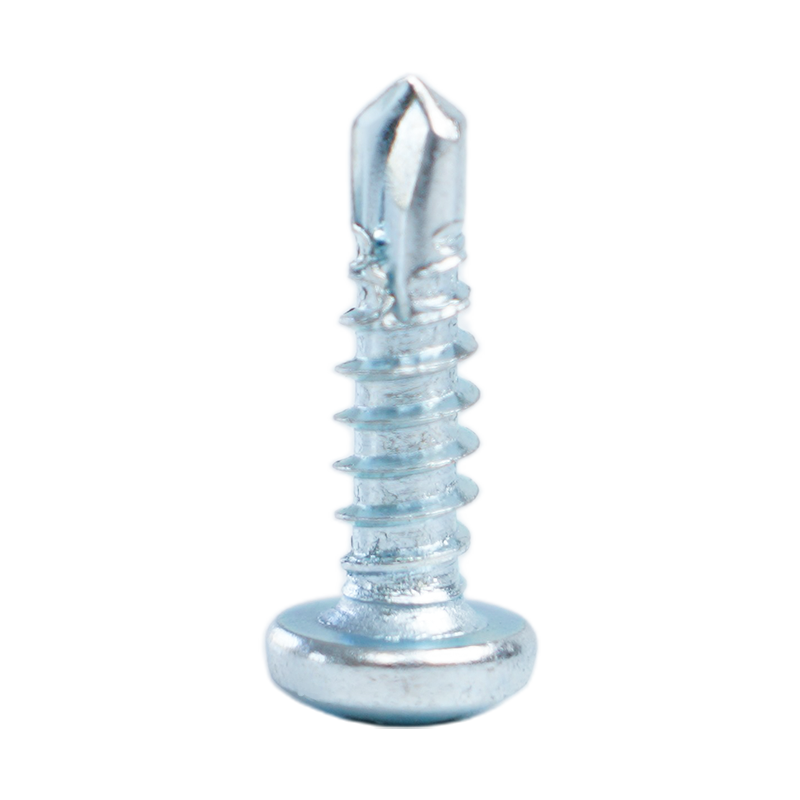
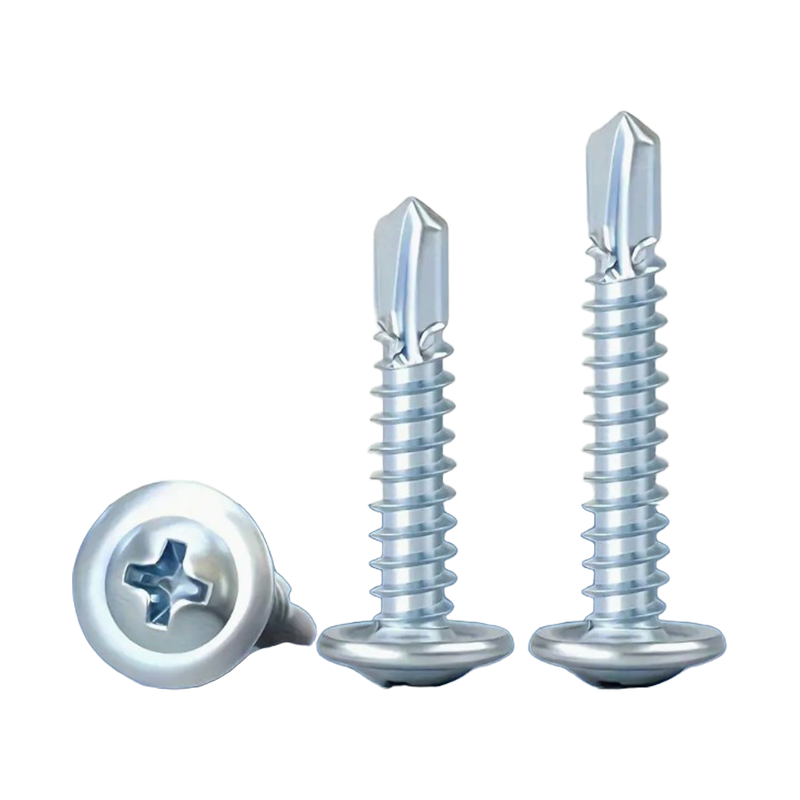
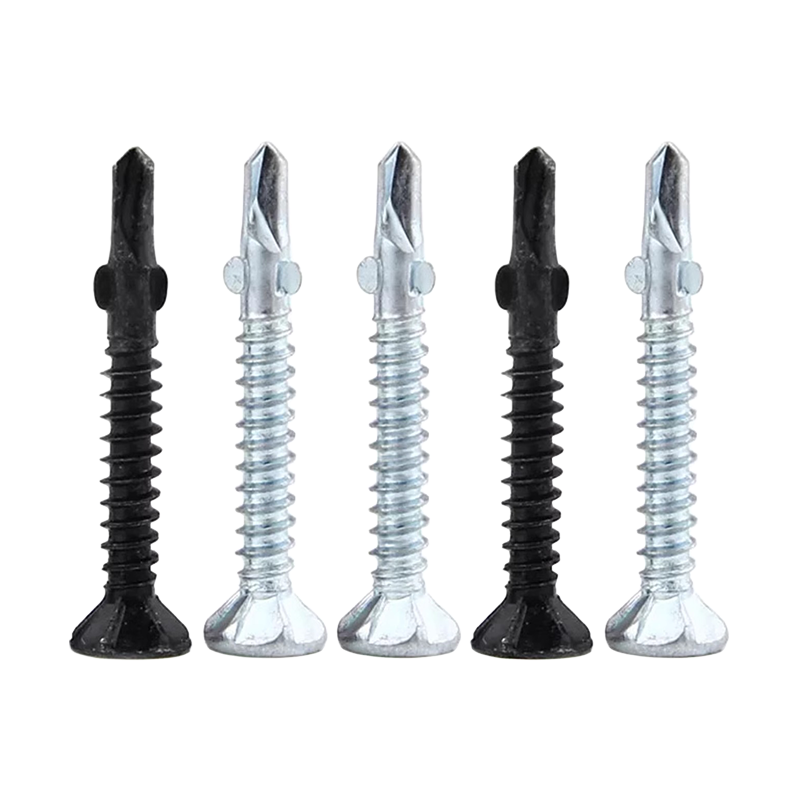
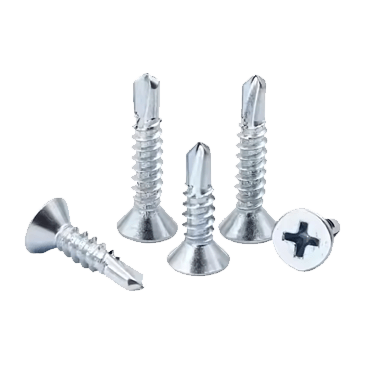
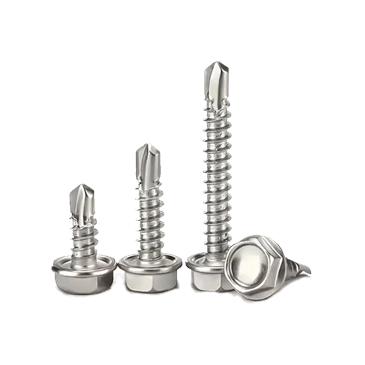
Self-drilling screws cut their own hole with a drill point and then form threads in the back sheet. Over-torquing a hex-washer-head self-drilling screw strips the thread in the bottom sheet, leaving almost no pull-out resistance. The hex washer head does not cam out like a Phillips recess, so a cordless driver can snap the head off without any audible warning. The full mechanics of drill-point design are covered in our self-drilling screw guide, but the field rule is simple: stop when the washer ring seats against the metal, and add no more than a quarter turn.
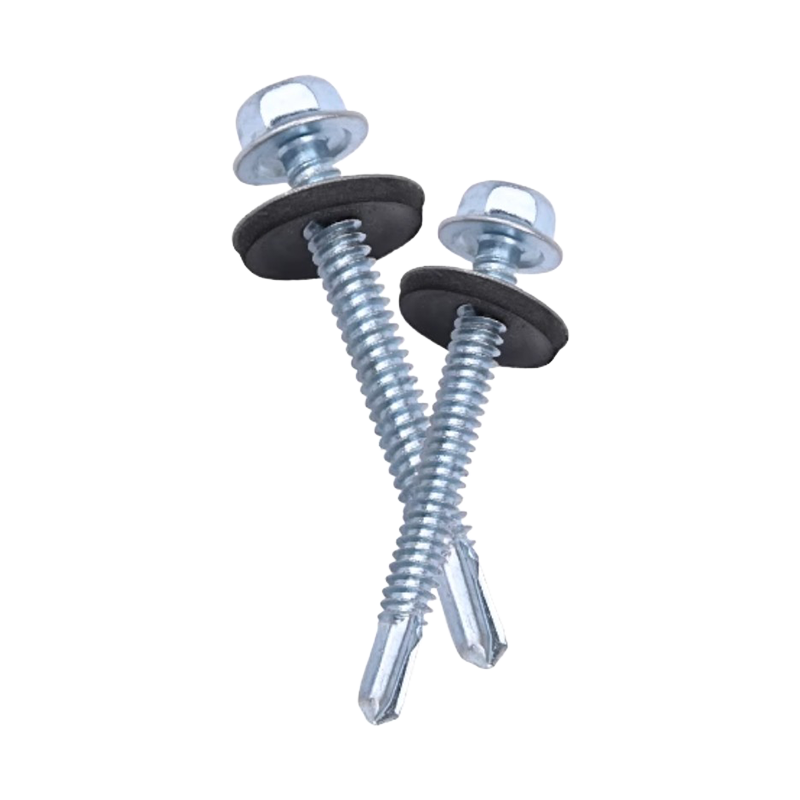 Hexagon Washer Head Self-Drilling Screws for Metal FasteningThese self-drilling screws combine a hex washer head and drill point to fasten metal sheets in one step, but the article warns that over-torquing strips threads. This page covers washer types, coatings, and standards for structural applications.View Product →
Wedge Anchors in Concrete
Wedge anchors grip concrete by expanding a clip against the wall of the drilled hole as the nut is torqued. The concrete in the expansion zone, not the anchor steel, is the weak link. Exceeding the rated torque on an M10 wedge anchor can crack the edge of a concrete slab and cut pull-out strength by roughly half. Torque is the only adjustment the installer controls, so the rating printed on the box is not a suggestion.
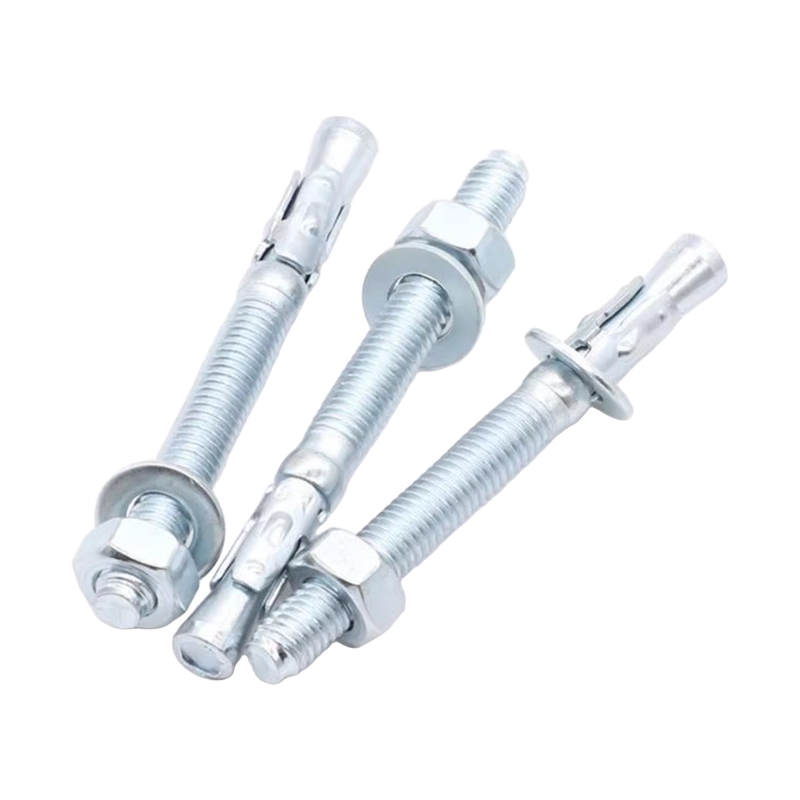 Wedge Anchors for Concrete with Expansion Grip MechanismWedge anchors expand against the drilled hole wall when the nut is torqued, and the concrete is the weak link if over-torqued. This page explains installation methods and suitable uses for structural fixtures.View Product →
Torque Control FAQ
Should I aim for a looser or tighter joint when no torque tool is available?
Neither extreme is safe. An undertightened joint can loosen under vibration, while an overtightened joint has already lost clamp load at the moment of installation. When a torque tool is unavailable, choose a slightly undertightened joint and schedule a follow-up re-torque, but never overshoot torque past the elastic limit.
Can excessive torque break a bolt during service?
Yes. Torsional shear snaps the head during installation, and a shank stretched past yield can fracture later under a service load well below its rated capacity. Both are ductile overload failures caused by pushing the material beyond its yield point.
What are the field signs of an over-torqued fastener?
Visible signs are a dimpled or cracked base material, a stripped drive recess, a sudden drop in driver resistance, or a head that sits crooked. On critical joints, the reliable detection is a torque audit: a torque wrench reads below target because the screw has yielded, even though the nut feels tight.
Does a longer screw resist over-torquing better?
Longer screws give more thread engagement and a wider elastic range, but the yield point is set by the material grade and the stress area of the shank, not the length. Hardened fasteners do provide a wider torque window, which is why high-hardness grades are specified for steel and concrete work.