 +86-15052135118

 Español
 Get In Touch


Content
What Is a Self Drilling Screw and How It Works
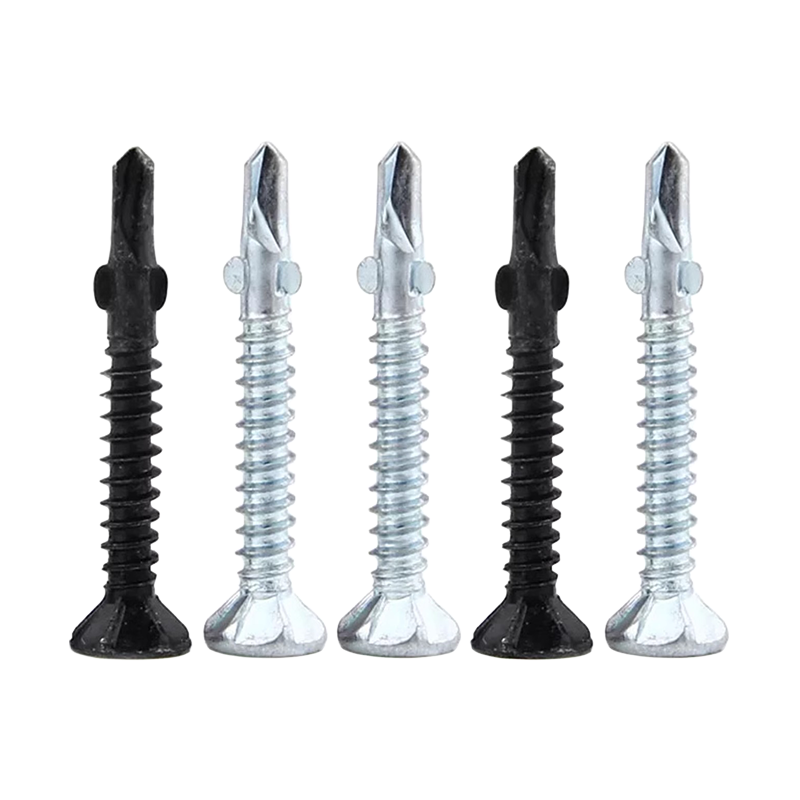
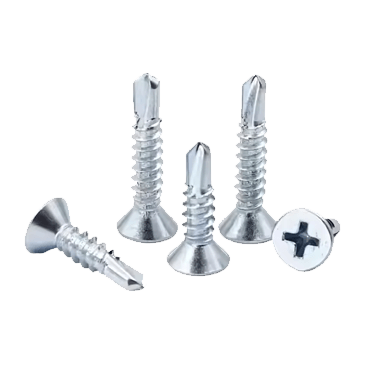
A self drilling screw is a specialized fastener that combines drilling, tapping, and fastening into a single installation step, eliminating the need for pre-drilled pilot holes. The screw features a hardened drill point at the tip that cuts through metal substrates while the threading forms matching threads in the material as the screw advances. This integrated design reduces installation time by up to 70% compared to conventional drilling and tapping operations, making self drilling screws essential for metal roofing, steel framing, HVAC ductwork, and structural steel connections.
The mechanism operates through a precisely engineered drill point that generates heat and removes material as it rotates, creating a hole slightly smaller than the screw diameter. As the point penetrates through the substrate, the lead threads immediately engage and form threads in the freshly drilled material. The drill point must be at least as long as the material thickness being penetrated; otherwise, the top layer climbs the threads and the screw fails to seat properly. Proper point selection ensures clean entry, optimal thread engagement, and maximum pullout strength.
Drill Point Types and Capacity Ratings
Self drilling screws are classified by drill point number, which corresponds to the maximum steel thickness the screw can penetrate effectively. Selecting the correct point type is critical for successful installation and long-term joint integrity.
| Drill Point | Drilling Capacity | Application Category |
|---|---|---|
| Reduced Point | Up to 2 mm | Light duty steel to steel |
| #1 | Up to 2 mm | Thin gauge sheet metal |
| #2 | Up to 2.8 mm | Standard metal panels up to 0.110 inches |
| #3 | Up to 5 mm | Medium duty steel to steel |
| #4 | Up to 8 mm | Structural steel framing |
| #5 | Up to 12 mm | Heavy duty steel to steel |
Point Geometry and Performance
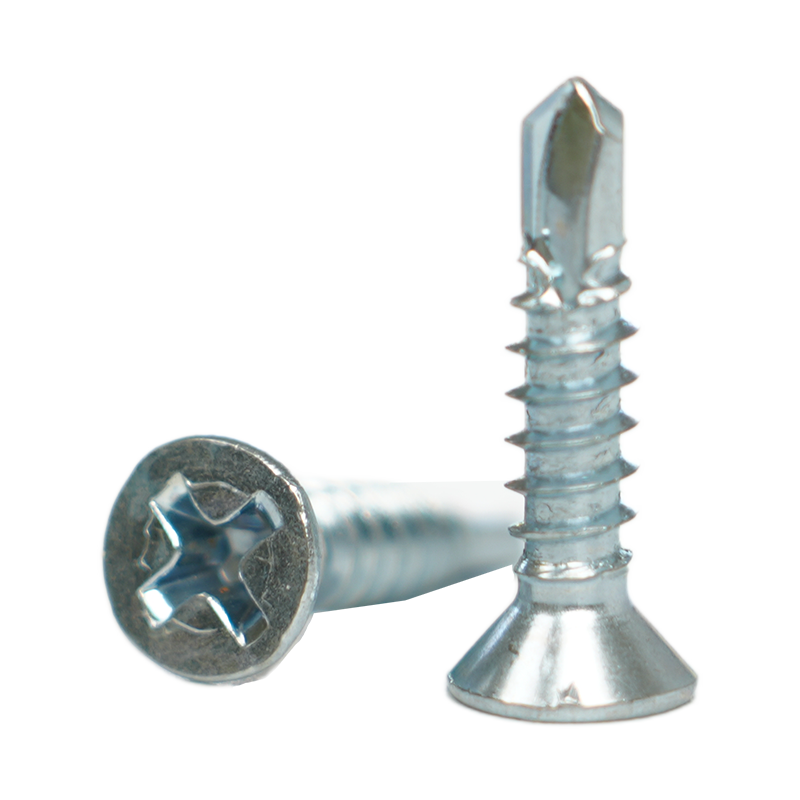
The drill point geometry features a flute that provides cutting action and chip evacuation during penetration. Precision convex drill points improve drilling performance while requiring less driving torque. Non-walking point designs provide fast metal engagement without skidding across the surface. The point and lead threads receive dual heat treatment to a hardness of 52 HRC minimum, while the screw body maintains a through-hardness of 28 to 34 HRC to balance drilling capability with structural strength.
Head Styles and Drive Configurations
Self drilling screws are manufactured in multiple head configurations to suit specific application requirements, tooling availability, and aesthetic considerations. Head selection affects torque transfer efficiency, load distribution, and finished appearance.
Hex Washer Head
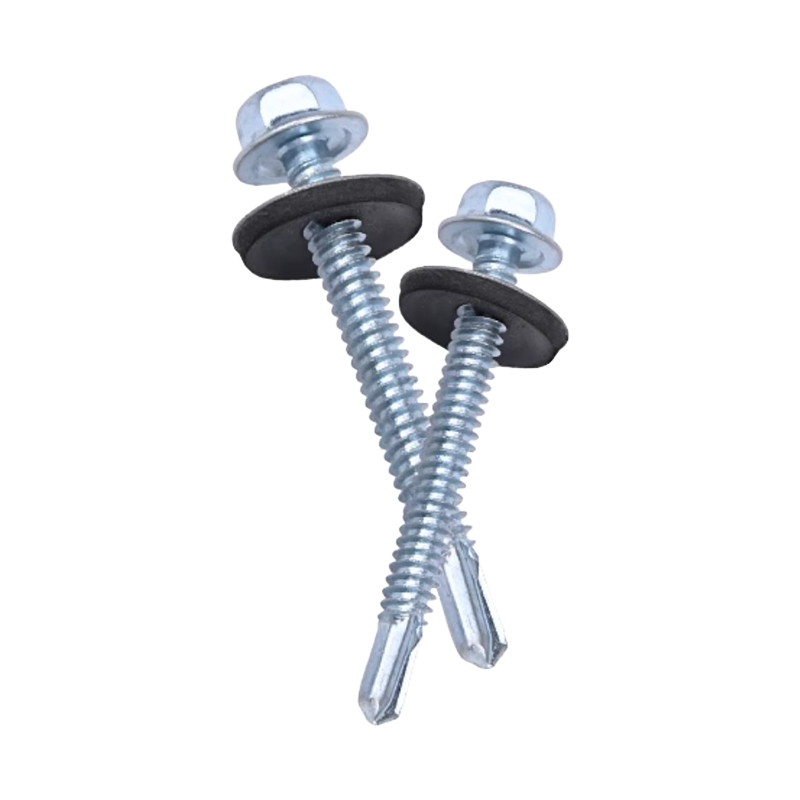
The hex washer head is the most common configuration for steel-to-steel and metal roofing applications. The hexagonal drive provides the most positive tool engagement, preventing cam-out under high torque conditions. The integrated washer distributes clamping load across a broader area, reducing the risk of pull-through in thin materials. Indented hex washer heads feature a recessed driving surface that accepts hex drive bits for secure fastening in structural applications. High hex washer head variants offer extra strength for fastening heavy gauge metal up to 3/8 inch thick.
Pan Head and Modified Truss Head
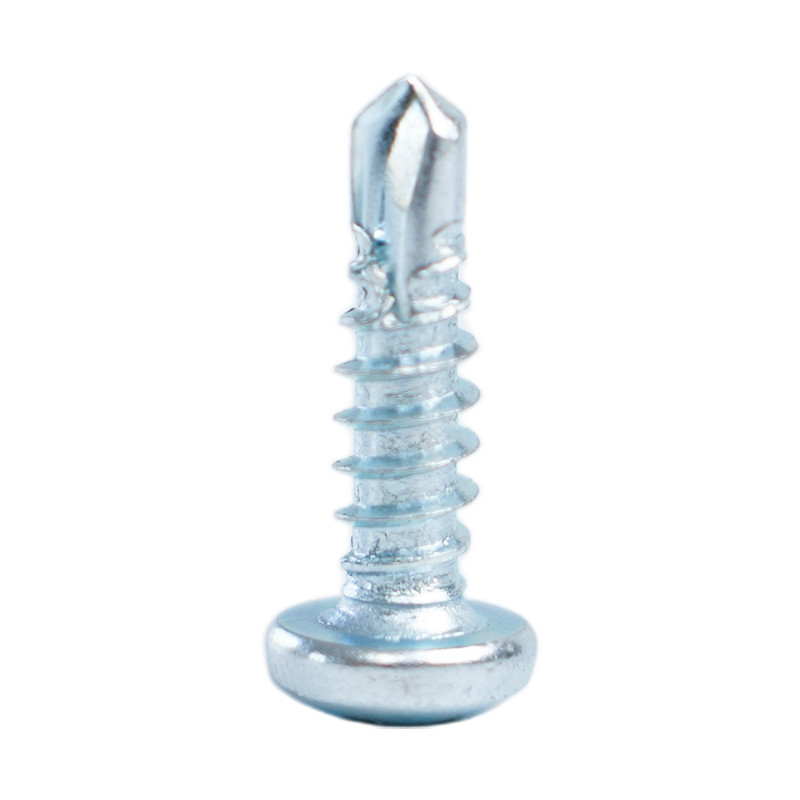
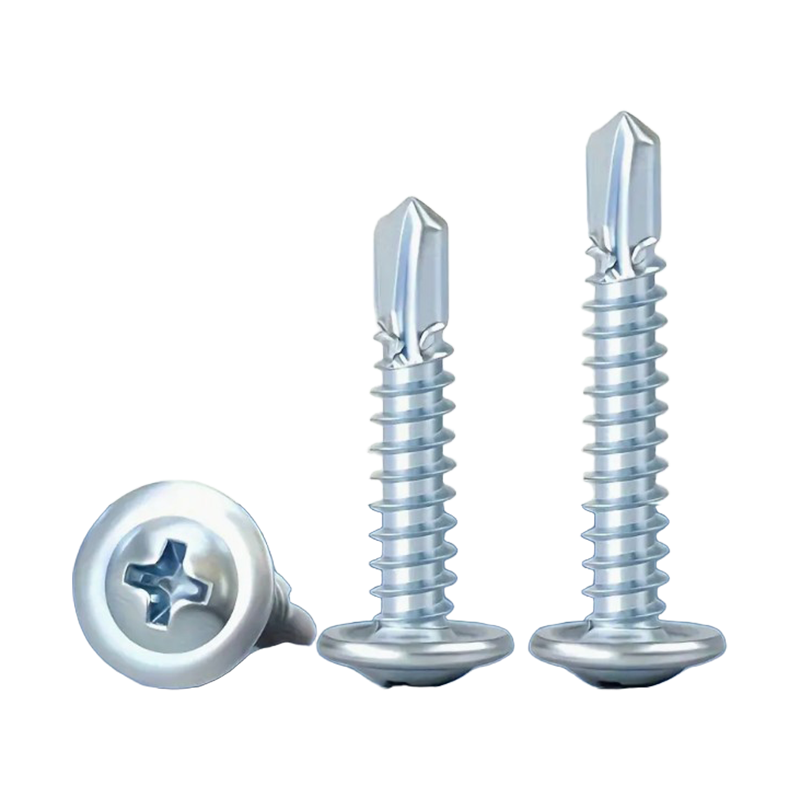
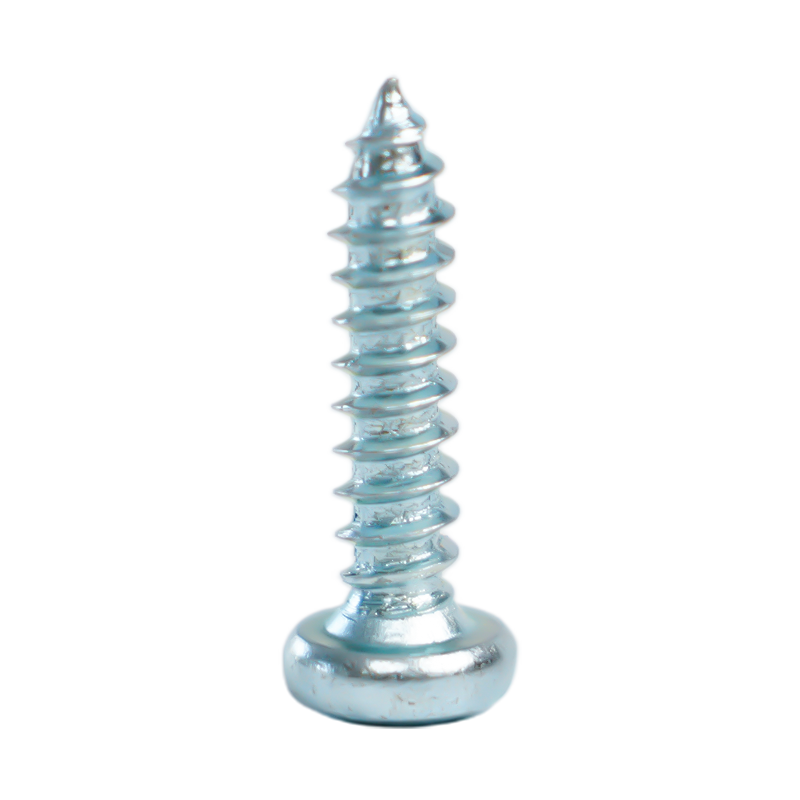
Pan head self drilling screws feature a rounded top with a flat bearing surface, typically driven with Phillips recesses for general-purpose fastening. Head widths range from 0.357 to 0.373 inches for #10 screws, providing adequate load distribution for electrical panel and HVAC applications. Modified truss head screws offer a very thin profile that allows sheathing materials to lie flat over the fastener, making them ideal for attaching plywood or wallboard to steel studs.
Flat Head and Countersunk Styles
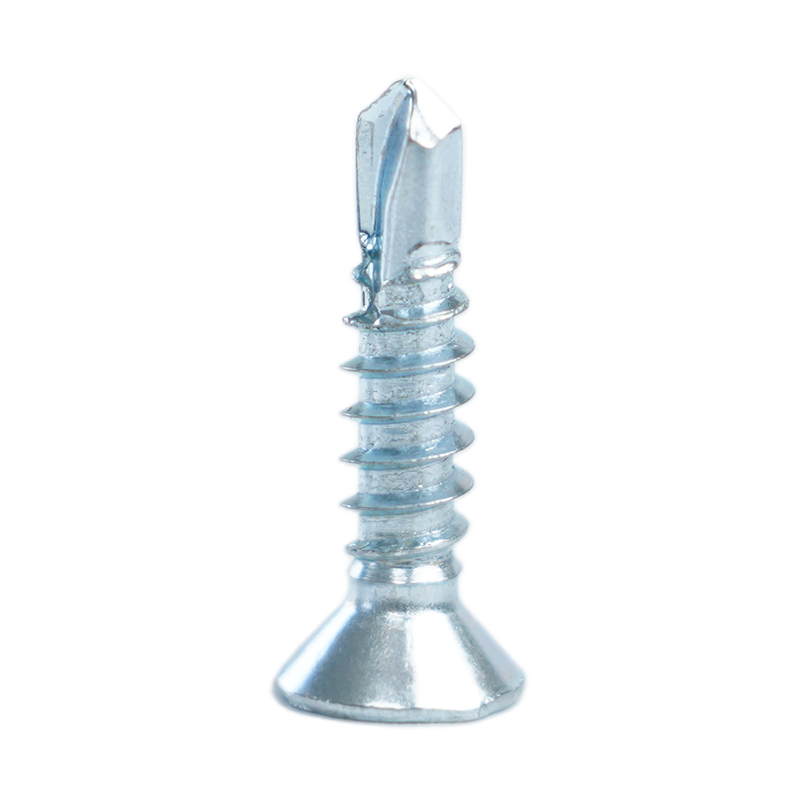
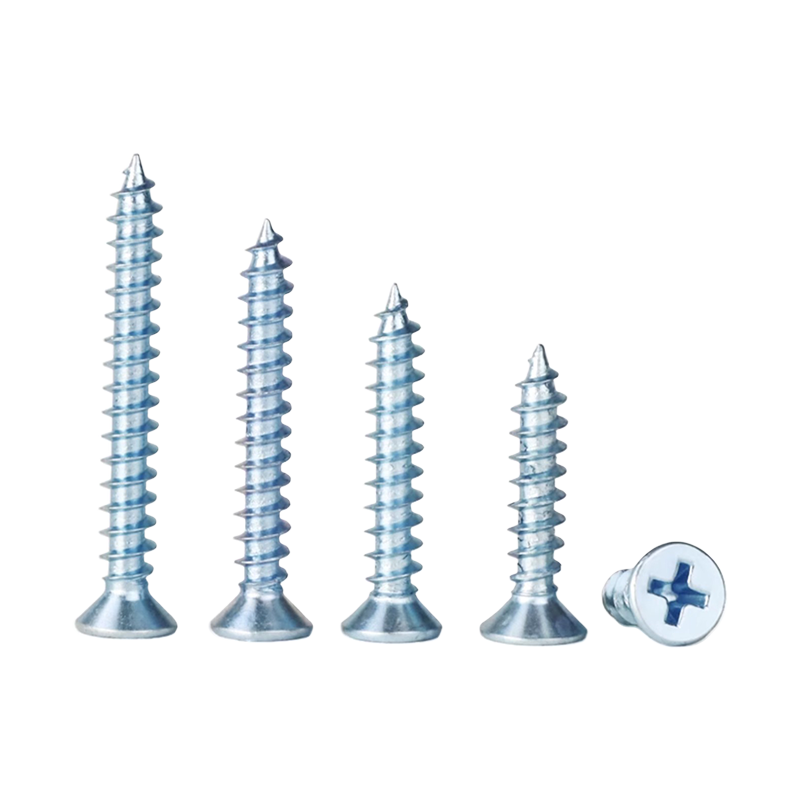
Flat top self drilling screws provide an extremely low profile head with broad bearing surfaces, primarily used to fasten thin metal sections such as studwork. The low head height of approximately 1.1 mm permits overlaying with plasterboard or other lining materials without affecting seating. Countersunk heads create flush surfaces where protruding fasteners would interfere with subsequent finishing operations.
Material Specifications and Surface Treatments
Self drilling screws are manufactured from hardened steel wire complying with AISI 1016-1024 material standards, with heat treatment processes that create the dual hardness profile essential for drilling performance. The manufacturing sequence includes wire drawing, cold heading, thread rolling, heat treatment, and surface finishing.
Standard Steel and Zinc Coatings
Standard self drilling screws feature zinc plating or zinc yellow chromate finishes that provide moderate corrosion protection for indoor applications. Zinc yellow plating increases overall finish protection compared to clear zinc and is commonly used in the automotive industry. These coatings deliver Rockwell hardness of C32-40 with minimum torsional strength of 42 lb-in for #8 screws and 61 lb-in for #10 screws. For general construction and HVAC applications, zinc-plated screws offer adequate service life in dry indoor environments.
Stainless Steel and Bi-Metal Construction
Stainless steel self drilling screws, typically grade 304 or 316, provide superior corrosion resistance for outdoor, marine, and chemical exposure applications. However, stainless steel lacks the hardness required for effective drilling in steel substrates. Bi-metal screws solve this limitation by combining a stainless steel body with a hardened carbon steel drill point. The drill tip undergoes heat treatment to approximately HRC 50-60, enabling penetration of steel up to 5 mm thick while the stainless body maintains corrosion resistance. This construction is essential for solar panel mounting, coastal construction, and food processing equipment.
Advanced Corrosion Protection
For severe environments, specialized coatings such as Dacromet, Ruspert, and mechanical galvanizing extend service life significantly. EJOT EJOSEAL coating and similar proprietary systems offer enhanced corrosion resistance beyond standard zinc plating. These advanced finishes withstand salt spray testing for 1000 to 3000 hours, making them suitable for coastal roofing, industrial facilities, and infrastructure applications where standard zinc would fail within months.
Primary Applications and Industry Uses
Self drilling screws serve as the primary fastening method across construction, manufacturing, and maintenance sectors where metal-to-metal or metal-to-wood connections must be made efficiently without pre-drilling operations.
Metal Roofing and Cladding
Metal roofing systems rely on self drilling screws with EPDM bonded washers to secure panels to steel purlins and rails. The screws penetrate roofing sheets and underlying steel framing in a single operation, while the neoprene or EPDM washer creates a watertight seal that prevents moisture ingress. Hex washer head screws with fine threads provide strong compressive hold for metal-to-metal fastening, with the flange head distributing load to prevent deformation of thin roofing panels.
Steel Framing and Structural Connections
Cold-formed steel framing utilizes self drilling screws for connecting studs, tracks, joists, and structural members. The fasteners create engineered connections with documented pullout and shear capacities under building code evaluation reports. Structural self drilling screws feature partially threaded shanks and specialized thread designs such as Round Body Tapitte that enhance holding power in thin-gauge steel. These screws are rated for use in engineered connections when submitted for review in accordance with building code requirements.
HVAC and Electrical Installations
Heating, ventilation, and air conditioning contractors use self drilling screws extensively for ductwork assembly, equipment mounting, and electrical panel installation. The single-step fastening process eliminates the need to align pre-drilled holes in sheet metal components. Pan head Phillips screws with #2 drill points efficiently penetrate steel panels up to 0.110 inches thick for electrical and mechanical applications. Framing screws attach exterior sheathing such as plywood or OSB to steel members, with self-piercing points for thin steel and self-drilling points for thicker structural connections.
Automotive and Solar Industries
The automotive industry employs zinc yellow self drilling screws for interior trim, bodywork, and underhood applications where corrosion resistance and rapid assembly are required. Solar panel mounting systems utilize bi-metal self drilling screws to attach aluminum rails and brackets to steel support structures. The stainless steel body resists weathering while the hardened drill point penetrates structural steel without pre-drilling, reducing installation labor on rooftop and ground-mount solar arrays.
Installation Best Practices and Quality Control
Proper installation technique ensures that self drilling screws achieve their design pullout strength and maintain joint integrity throughout the service life. Incorrect driving speed, improper alignment, or inadequate torque control can compromise fastening performance.
Driving Speed and Tool Selection
Self drilling screws should be driven at controlled speeds, typically under 3000 RPM for standard sizes, to prevent overheating of the drill point and premature wear. Impact drivers