 +86-15052135118

 Español
 Get In Touch


Nearly every bolted connection in industrial equipment, steel structure, or vehicle assembly ends at the same small component: a nut turned tight against a threaded rod. Getting that part right — material, grade, coating — is often the difference between a connection that holds for decades and one that needs revisiting.
Content
01What a Hexagon Regular Nut Is
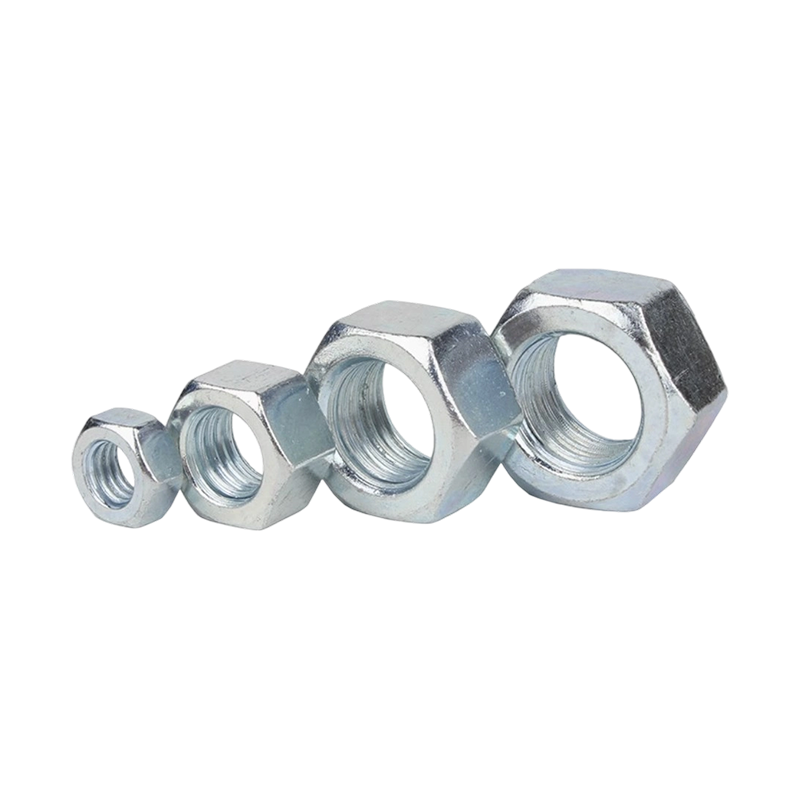
A hexagon regular nut is a threaded fastener with a six-sided outer body, sized to be tightened or loosened with a standard wrench or socket. Paired with a matching bolt or threaded rod, it converts rotational force into clamping pressure, holding two or more components together in a connection that can be removed and reused without damaging the parts.
02Types You'll Run Into
Standard Hex Nut
- General-purpose clamping force
- Widely stocked, easy to source
- DIN and metric sizing available
Heavy or Locking Hex Nut
- Higher load and vibration resistance
- Used in structural, high-stress joints
- Often paired with washers or nylon inserts
03Material and Coating Options
| Material | Strength | Best Environment |
| Carbon Steel | Good, cost-effective | Dry indoor use |
| Stainless Steel | Good, corrosion resistant | Outdoor, moisture, food-grade |
| Alloy Steel | High strength | Heavy-duty structural loads |
| Brass | Moderate, non-magnetic | Electrical, decorative use |
04How to Choose the Right One
-
Match the thread — diameter and pitch must exactly match the mating bolt or rod, with no exceptions.
-
Confirm the load — structural or vibration-heavy joints call for a higher grade or locking design over a standard nut.
-
Check the environment — outdoor or corrosive conditions justify stainless steel or galvanized coating over plain carbon steel.
-
Verify the standard — DIN, ISO, or ANSI specification should match the rest of the assembly's fastening system.
A mismatched thread pitch can look like it fits on the first few turns and still strip out under load — always verify pitch against the bolt spec sheet, not by feel.
05Frequently Asked Questions
What's the difference between a hex nut and a locking hex nut?
A standard hex nut relies on thread friction alone, while a locking hex nut adds a nylon insert or deformed thread section to resist loosening under vibration.
Can carbon steel hex nuts be used outdoors?
They can with a protective coating such as zinc plating or hot-dip galvanizing, but stainless steel is generally more reliable for long-term outdoor or wet exposure.
Does nut grade need to match bolt grade?
Yes. Using a nut with a lower strength grade than its mating bolt can cause the nut to fail before the bolt reaches its rated load.
How is a hexagon regular nut size specified?
Size is specified by thread diameter, thread pitch, and width across flats, all of which must align with the corresponding bolt and application standard.