 +86-15052135118

 Español
 Get In Touch


A fastener that fails in concrete rarely fails quietly — it means a dropped bracket, a shifted machine base, or worse. Choosing the right expansion anchor up front is the difference between a fixing point that lasts the life of the structure and one that needs revisiting within a year.
Content
What Concrete Expansion Screws Are
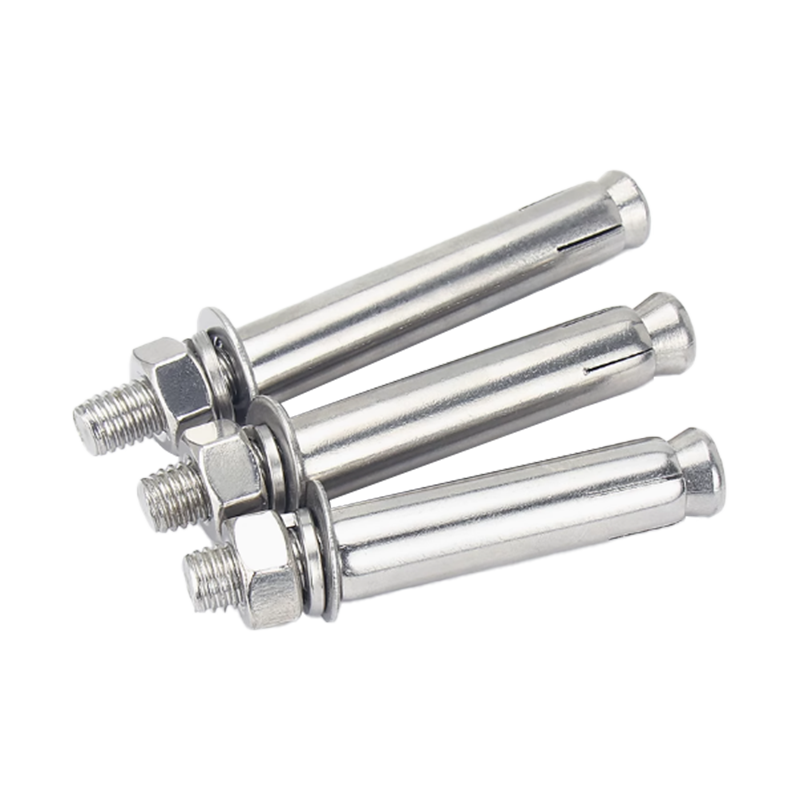
Concrete expansion screws are mechanical fasteners that use an expansion sleeve, wedge, or clip to lock into a drilled hole in concrete, brick, or masonry. As the screw is tightened, the expansion component is pulled outward against the hole wall, converting torque into holding friction. That mechanical interlock is what allows a single fastener to carry structural and equipment loads without welding or chemical adhesive.
Installation follows five steps: drill the hole, insert the anchor, tighten the screw, let the sleeve expand against the substrate, and the resulting friction plus mechanical interlock creates the secure connection.
Types Worth Knowing
Sleeve Anchors
General-purpose holding power for brackets, fixtures, and light structural work.
Wedge Anchors
Higher load capacity, common for structural steel and heavy equipment mounting.
Drop-In Anchors
Flush installation, often used where a clean surface finish matters.
Stainless Options
Corrosion resistance for outdoor, marine, or high-moisture environments.
Expansion Screws vs Standard Fasteners
| Factor | Expansion Screws | Standard Fasteners |
| Holding Method | Mechanical expansion + friction | Thread or surface grip only |
| Load Capacity | High, rated for structural use | Generally lower |
| Vibration Resistance | Strong, resists loosening | Prone to loosening over time |
| Best Use | Concrete, brick, masonry | Wood, light materials |
Matching the Anchor to the Job
Start with the substrate. Solid concrete tolerates higher expansion pressure than hollow block or older, weaker concrete, which changes both the anchor type and installation torque you can safely use. Next, size the anchor to the actual load — diameter and embedment depth both scale with the weight or force the fixture will carry, not just the size of the mounting hole in the bracket.
Material and coating come next. Zinc-plated carbon steel works for most indoor, dry environments, while hot-dip galvanized or concrete expansion screws in stainless steel are worth the extra cost anywhere moisture, chemicals, or outdoor exposure are involved — replacing a corroded anchor in a structural application is far more expensive than specifying the right coating the first time.
The single biggest cause of anchor failure isn't the fastener itself — it's a drilled hole that's the wrong diameter or depth for the anchor being installed.
Frequently Asked Questions
What load rating do I need for equipment mounting?
Load rating should be calculated from the equipment's weight plus any dynamic or vibration forces, with a safety margin specified by the manufacturer's technical data sheet or a structural engineer.
Can concrete expansion screws be removed and reused?
Most expansion anchors are designed for permanent or semi-permanent installation; removing one typically damages the expansion mechanism, so a new anchor is recommended for reinstallation.
Do I need stainless steel for outdoor installations?
Not always, but stainless or hot-dip galvanized coatings are strongly recommended anywhere the anchor will face consistent moisture, salt exposure, or chemical contact.
How close to the concrete edge can an anchor be installed?
Minimum edge distance varies by anchor size and manufacturer specification, and installing too close to an edge significantly reduces holding capacity and can crack the concrete.