 +86-15052135118

 Español
 Get In Touch


In the vast world of fasteners, carbon steel screws stand as a cornerstone for countless industrial and construction projects. Their versatility, strength, and cost-effectiveness make them a fundamental choice for engineers, builders, and DIY enthusiasts alike. This comprehensive guide delves deep into the specifics of carbon steel screws, helping you understand their properties, ideal uses, and how to select the perfect screw for your application, ensuring every connection is secure and reliable.
Content
- 1 Understanding Carbon Steel Screws: Composition and Key Properties
- 2 Main Types of Carbon Steel Screws and Their Applications
- 3 How to Select the Right Carbon Steel Screw
- 4 Ensuring Longevity: Maintenance and Corrosion Prevention
- 5 Why Partner with a Professional Manufacturer?
- 6
- 7 Frequently Asked Questions (FAQs)
- 7.1 1. Can carbon steel screws be used outdoors?
- 7.2 2. What is the difference between a carbon steel screw and a stainless steel screw?
- 7.3 3. How do I know if a carbon steel screw is strong enough for my project?
- 7.4 4. Why did my coated carbon steel screw still rust?
- 7.5 5. Are self-drilling screws as strong as regular carbon steel screws?
Understanding Carbon Steel Screws: Composition and Key Properties
Carbon steel screws are fasteners manufactured primarily from iron and carbon, with the carbon content being the key differentiating factor. This composition grants them a unique balance of characteristics that are essential for many fastening tasks.
What Makes Carbon Steel an Ideal Material?
The performance of these screws is directly tied to the material science behind carbon steel.
- High Tensile Strength: The carbon content increases the steel's strength, allowing the screws to withstand significant loads and stresses without failing.
- Excellent Durability: They offer great resistance to deformation under pressure, making them suitable for structural applications.
- Cost-Effectiveness: Compared to alloys like stainless steel, carbon steel is more economical, providing a high-strength solution without a premium price.
- Machinability: The material can be easily shaped and threaded, allowing for the production of a wide variety of screw types and head styles.
Surface Treatments for Enhanced Performance
While strong, bare carbon steel is susceptible to corrosion. Therefore, various surface coatings are applied to extend their life.
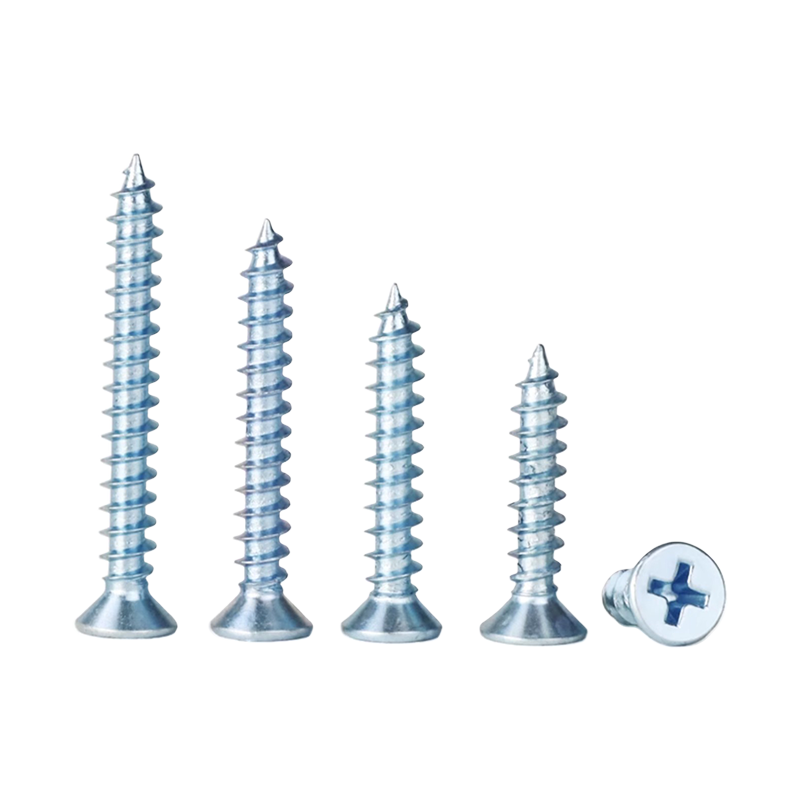
- Zinc Plating (Galvanization): The most common coating, providing a basic level of rust resistance for indoor or dry environments.
- Hot-Dip Galvanizing: A thicker zinc coating for superior corrosion protection, ideal for outdoor structures.
- Phosphate Coating: Often used as a primer layer for paint or for providing lubrication during installation.
- Chrome or Nickel Plating: Used for both corrosion resistance and aesthetic appeal in visible applications.
Main Types of Carbon Steel Screws and Their Applications
Choosing the right type of screw is critical for project success. Different designs are engineered for specific materials and load requirements.
Wood Screws vs. Carbon Steel Screws for Metal
While both can be made from carbon steel, their design philosophies differ significantly.
| Feature | Wood Screws | Carbon Steel Screws for Metal |
|---|---|---|
| Thread Design | Coarse, widely-spaced threads | Fine, closely-spaced threads |
| Point Type | Sharp, self-tapping point | Often requires a pre-drilled hole; may have a machine screw point |
| Shank | Partially threaded | Fully threaded or partially threaded depending on type |
| Primary Use | Pulling wood fibers together for a tight grip | Cutting threads into or fitting through pre-tapped holes in metal |
| Shear Strength | Moderate | Typically Very High |
This distinction highlights why you cannot simply use a wood screw for a metal-to-metal connection. For tasks involving sheet metal or assembling machinery, specifically designed carbon steel screws for metal are non-negotiable for safety and integrity.
Specialized Variants for Demanding Jobs
Beyond general-purpose screws, specialized carbon steel fasteners solve unique challenges.
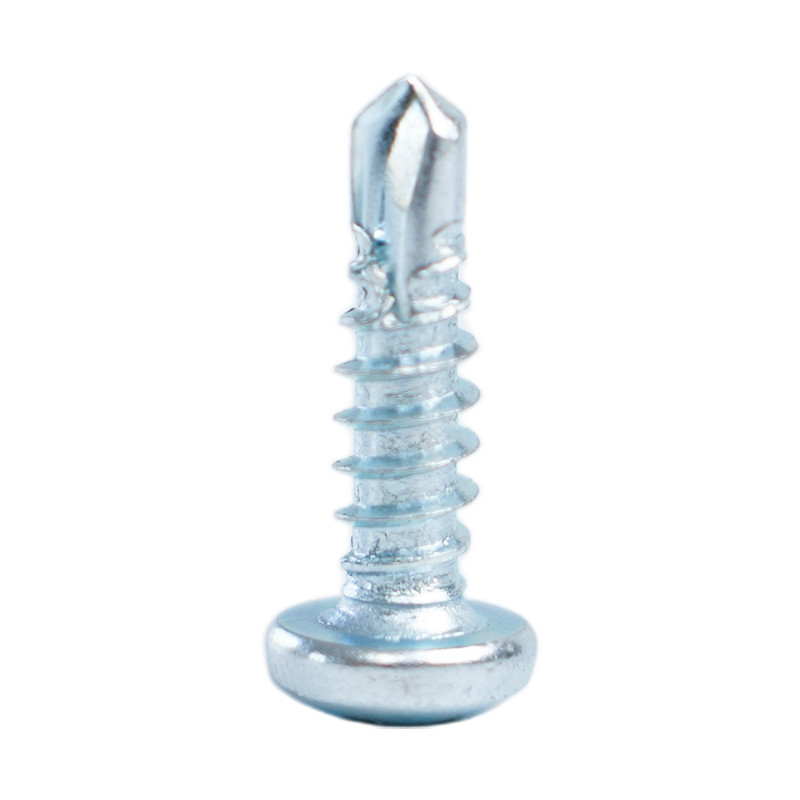
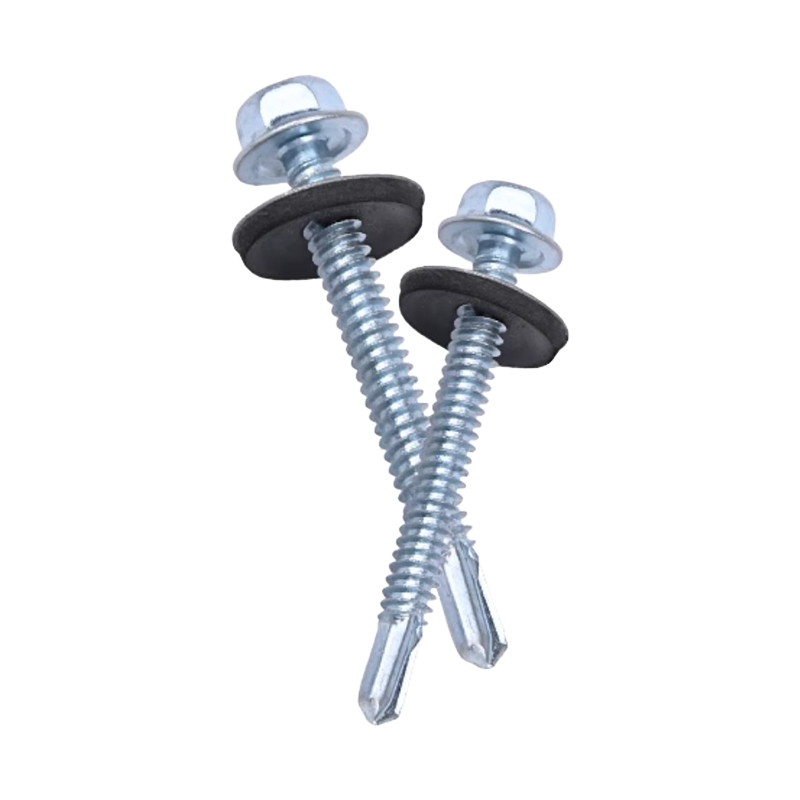
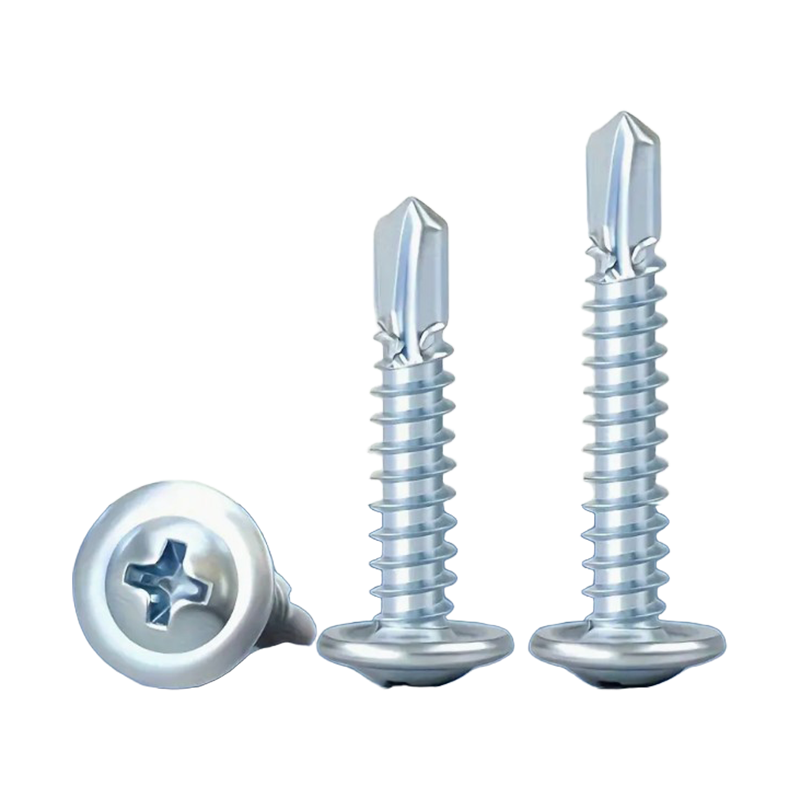
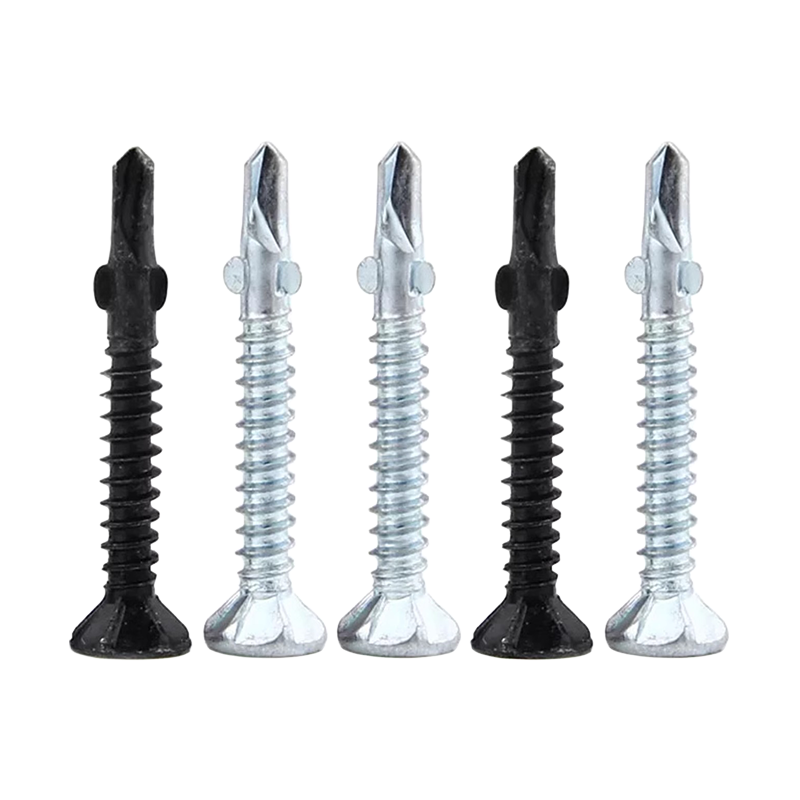
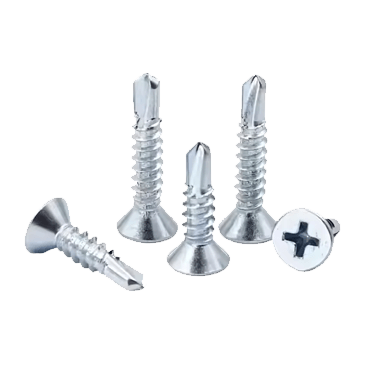
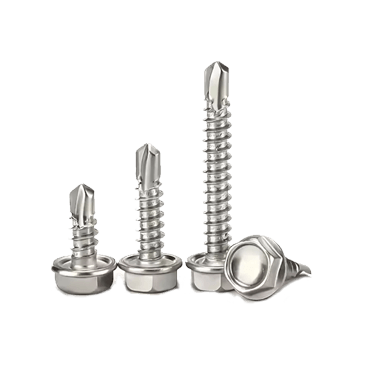
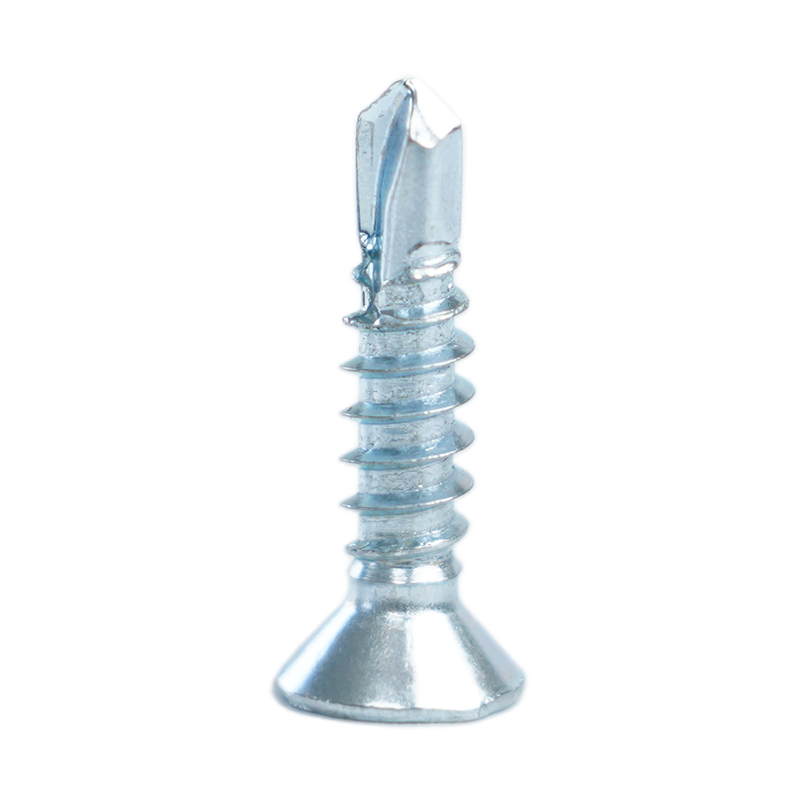
- Self-Drilling Carbon Steel Screws: These feature a drill bit-like point that eliminates the need for a pre-drilled pilot hole in metal, dramatically speeding up installation in steel framing or ductwork.
- High-Strength Structural Bolts: Made from medium carbon alloy steel and heat-treated, these are used in critical structural steel connections like building frames and bridges.
- Machine Screws: With uniform threading and designed to be used with a nut or in a tapped hole, they are the standard for precision assembly in machinery and electronics.
How to Select the Right Carbon Steel Screw
A systematic approach to selection prevents failures and ensures optimal performance.
Step 1: Assess the Application Environment
The environment is the first and most critical filter. Using an indoor screw outdoors is a common cause of premature failure.
- For Indoor, Dry Applications: Standard zinc-plated screws are perfectly adequate and cost-effective.
- For Outdoor or Humid Environments: Opt for screws with a robust coating like hot-dip galvanizing or a premium polymer coating to resist rust on carbon steel screws.
- For High-Temperature Areas: Consider the coating's temperature limits; some organics may burn off.
Step 2: Determine Load and Strength Requirements
Understand the forces acting on the joint.
- Tensile Load (Pull-Out Force): This is the force trying to pull the screw straight out. It depends on thread engagement and the material's grip.
- Shear Load (Sliding Force): This is the force acting perpendicular to the screw's axis, trying to slice it. This is where high tensile carbon steel screws excel, as their material composition provides the necessary resistance to snapping.
- For heavy-duty framing or structural work, always specify screws graded for the required load, such as those meeting specific ASTM standards.
Step 3: Choose the Correct Drive and Head Style
This affects installation efficiency and final appearance.
- Drive Type: Phillips is common but can cam-out (slip). Pozidriv offers better torque transfer. Hex drives (internal or external) provide the highest torque for heavy duty carbon steel screws.
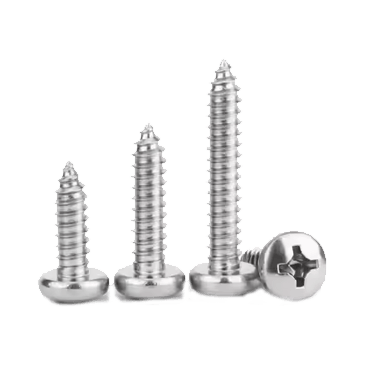
- Head Style: Flat heads sit flush. Pan or round heads are used when clearance isn't an issue. Washer heads provide a larger bearing surface.
For projects involving door and window systems, such as the assembly of aluminum alloy frames, the choice of drive and head is crucial for both aesthetics and the clamping force required for a weather-tight seal. As a company deeply integrated into this industry, Wuxi Sharp Metal Products Co., Ltd. understands that the precise specifications of carbon steel screws for door and window assembly are vital for long-term performance and reliability.
Ensuring Longevity: Maintenance and Corrosion Prevention
Even the best screws need consideration for longevity, especially in harsh conditions.
Best Practices to Prevent Corrosion
- Correct Coating Selection: Match the coating to the environment's corrosivity.
- Avoid Galvanic Corrosion: Do not directly couple carbon steel screws with more noble metals like copper or stainless steel in a wet environment without insulation.
- Proper Installation: Avoid damaging the protective coating during driving. Using the wrong driver bit is a common cause.
- Additional Barriers: In extreme environments, applying a sealant or anti-corrosive compound over the installed fastener can provide an extra layer of protection.
Recognizing When to Upgrade Your Fasteners
Sometimes, the application demands a step beyond standard carbon steel. If you are facing constant issues with rust on carbon steel screws in a moderately corrosive environment, it may be more cost-effective in the long run to consider upgrading to a fastener with a superior coating or even switching to a stainless steel alloy for that specific application. This proactive approach avoids costly rework and maintenance.
Why Partner with a Professional Manufacturer?
The quality of a fastener is determined long before it reaches your job site. It starts with the manufacturing philosophy and capabilities of the producer.
Wuxi Sharp Metal Products Co., Ltd., with its foundation dating back to 1993 and a substantial 6000-square-meter production facility, embodies the principles of scale, quality control, and specialization. Operating from the Yanqiao Industrial Park in Wuxi, the company's focus on a strict quality assurance system and comprehensive management ensures that every batch of screws meets consistent standards. Their extensive inventory of over 800 tons and an annual output of approximately 2000 tons demonstrate a commitment to meeting large-scale project demands reliably.
For professionals in the door, window, and construction sectors, partnering with a manufacturer that understands the nuanced requirements of specific applications—from the precise threading needed for metal assemblies to the corrosion resistance required for exterior fittings—is invaluable. It transforms a simple component like a carbon steel screw into a guarantee of structural integrity and longevity.
Frequently Asked Questions (FAQs)
1. Can carbon steel screws be used outdoors?
Yes, but only if they have an appropriate protective coating, such as hot-dip galvanizing or a thick polymer coating. Bare or lightly zinc-plated carbon steel screws will rust quickly when exposed to moisture outdoors.
2. What is the difference between a carbon steel screw and a stainless steel screw?
The core difference is corrosion resistance and cost. Carbon steel screws are stronger and more economical but require coatings to resist rust. Stainless steel screws (particularly grades 304 and 316) have inherent corrosion resistance due to chromium content but are more expensive and slightly less strong than some high-grade carbon steels.
3. How do I know if a carbon steel screw is strong enough for my project?
Check for a strength grade marking on the head (like 4.8, 8.8, or 12.9) or refer to the manufacturer's specification sheet for tensile and shear strength values. For critical structural loads, always consult an engineer or use code-specified fasteners.
4. Why did my coated carbon steel screw still rust?
Rust can occur if the coating was damaged during installation, if the screw is in a consistently wet or highly corrosive environment beyond the coating's rating, or due to galvanic corrosion if in contact with a dissimilar metal.
5. Are self-drilling screws as strong as regular carbon steel screws?
Self-drilling carbon steel screws are designed for convenience and speed in metal-to-metal connections. While they are made of strong carbon steel, the drilling tip and specific heat treatment mean their ultimate shear and tensile strength might be slightly different from a standard machine screw of the same diameter. Always refer to the manufacturer's load ratings for the specific self-drilling screw you are using.