 +86-15052135118

 Español
 Get In Touch


In the world of fasteners, the choice of material is paramount to the success and longevity of any project. Among the most versatile and widely used options are carbon steel screws. This comprehensive guide delves into the specifics of carbon steel screws, exploring their advantages, various types, and ideal applications. Whether you are a professional contractor, a manufacturer, or a DIY enthusiast, understanding these components is crucial for making informed decisions. With decades of expertise in fastener manufacturing, Wuxi Sharp Metal Products Co., Ltd. has been at the forefront of producing high-quality screws, including a comprehensive range of carbon steel variants, since 1993. Our commitment to "quality first, reputation first" ensures that every screw meets rigorous standards for performance and durability.
Content
- 1 What Are Carbon Steel Screws?
- 2 Exploring Types and Specific Applications
- 3 Selection Criteria: How to Choose the Right Carbon Steel Screw
- 4 Manufacturing Excellence at Wuxi Sharp Metal Products
- 5
- 6 Frequently Asked Questions (FAQs)
- 6.1 1. What is the main advantage of using carbon steel screws over stainless steel?
- 6.2 2. How can I prevent my carbon steel screws from rusting?
- 6.3 3. Can I use a carbon steel wood screw for concrete?
- 6.4 4. What does the grade marking on a carbon steel screw head mean?
- 6.5 5. Are self-tapping screws made from carbon steel reusable?
- 7 References
What Are Carbon Steel Screws?
Carbon steel screws are fasteners manufactured from an alloy of iron and carbon, with the carbon content being the primary differentiating factor. The amount of carbon significantly influences the screw's mechanical properties, such as hardness, strength, and ductility. Unlike stainless steel, which relies on chromium for corrosion resistance, carbon steel's strength is its hallmark, though it often requires protective coatings to prevent rust.
Key Properties and Advantages
Superior Strength and Durability
- Carbon steel offers an excellent strength-to-weight ratio.
- It is capable of withstanding high shear and tensile stresses, making it ideal for structural applications.
Cost-Effectiveness
- Compared to alloy steels like stainless steel, carbon steel is generally more economical.
- It provides reliable performance without a premium price tag, perfect for large-scale projects.
Versatility in Treatment
- The material can be easily heat-treated (e.g., case hardening) to enhance surface hardness.
- It readily accepts various surface finishes and platings for both corrosion protection and aesthetics.
Common Grades and Their Uses
Different grades indicate varying carbon content and treatment. For instance, low-carbon steel (like Grade 2) is softer and more malleable, while medium and high-carbon steels (like Grade 5 and 8) are stronger and used in demanding applications. A comparison of common grades based on ASTM standards is helpful for selection.
When comparing low-carbon and high-carbon steel screws, distinct differences emerge. Low-carbon steel screws are more ductile and easier to machine, whereas high-carbon steel screws offer greater hardness and wear resistance. The following table summarizes these key contrasts.
| Property | Low-Carbon Steel Screws (e.g., Grade 2) | High-Carbon Steel Screws (e.g., Grade 8) |
|---|---|---|
| Carbon Content | 0.05% - 0.25% | 0.55% - 0.95% |
| Tensile Strength | Relatively Lower | Very High |
| Hardness | Softer, more malleable | Very Hard, resistant to wear |
| Primary Use | General-purpose fastening in non-critical applications | High-stress applications like automotive or machinery |
| Machinability | Excellent | More difficult |
Exploring Types and Specific Applications
The utility of carbon steel screws is further defined by their specific design and intended use. Here, we explore some of the most sought-after types, including several that align with common user queries and needs.
Self-Tapping Screws Made from Carbon Steel
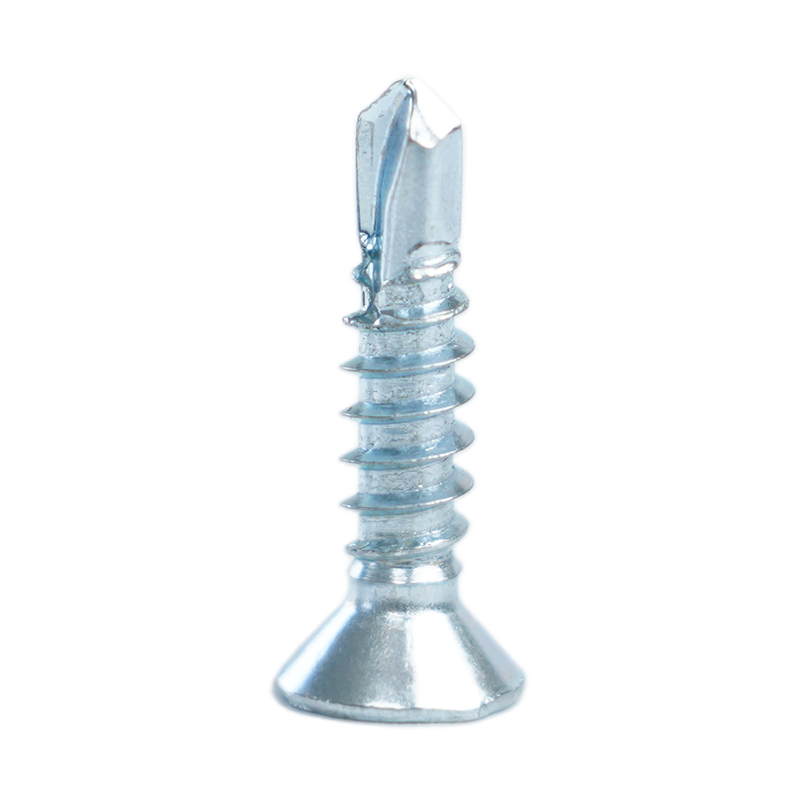
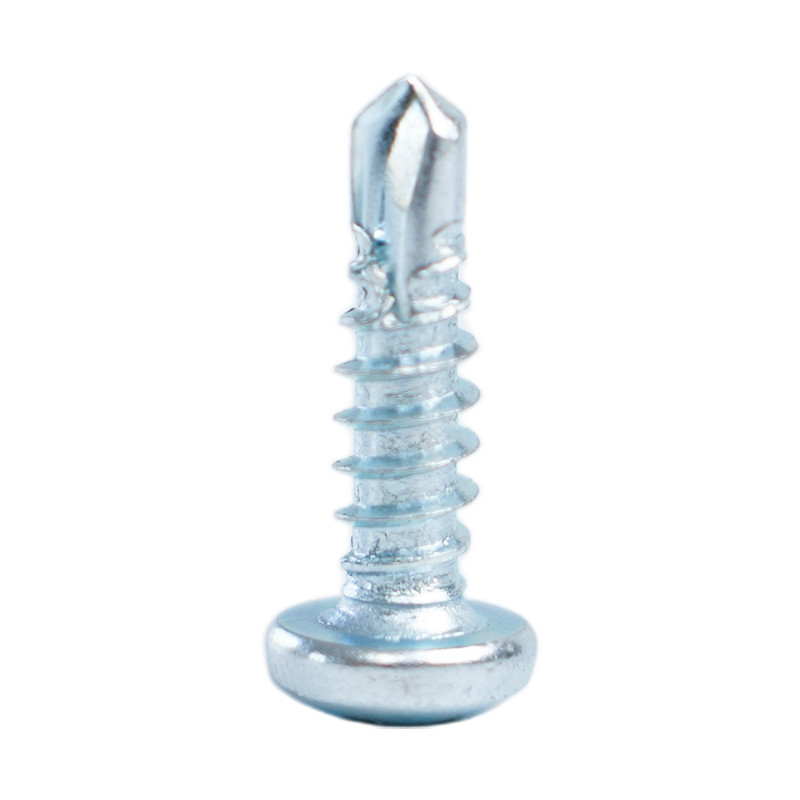
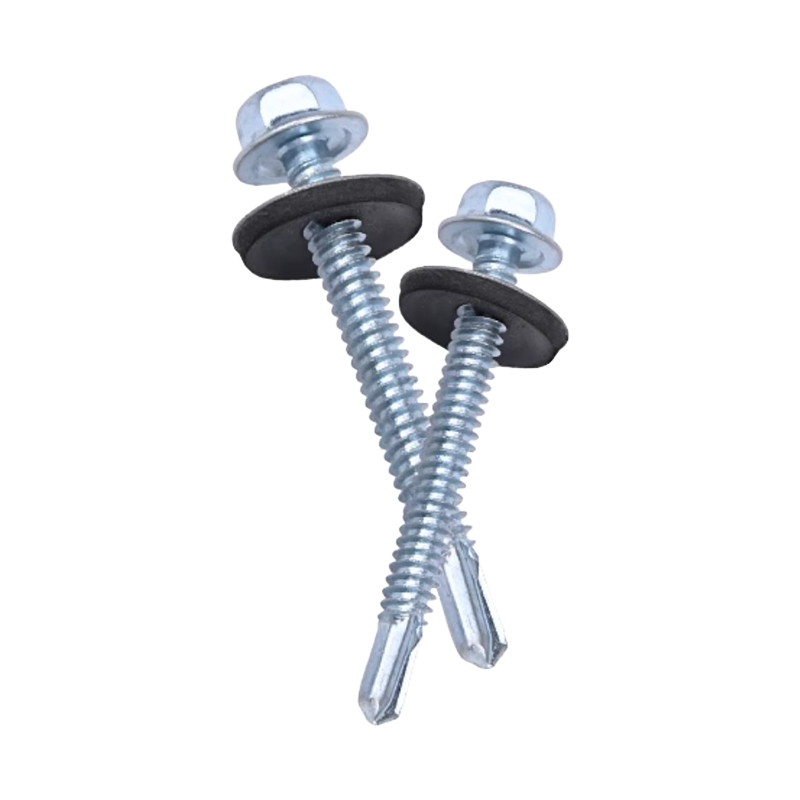
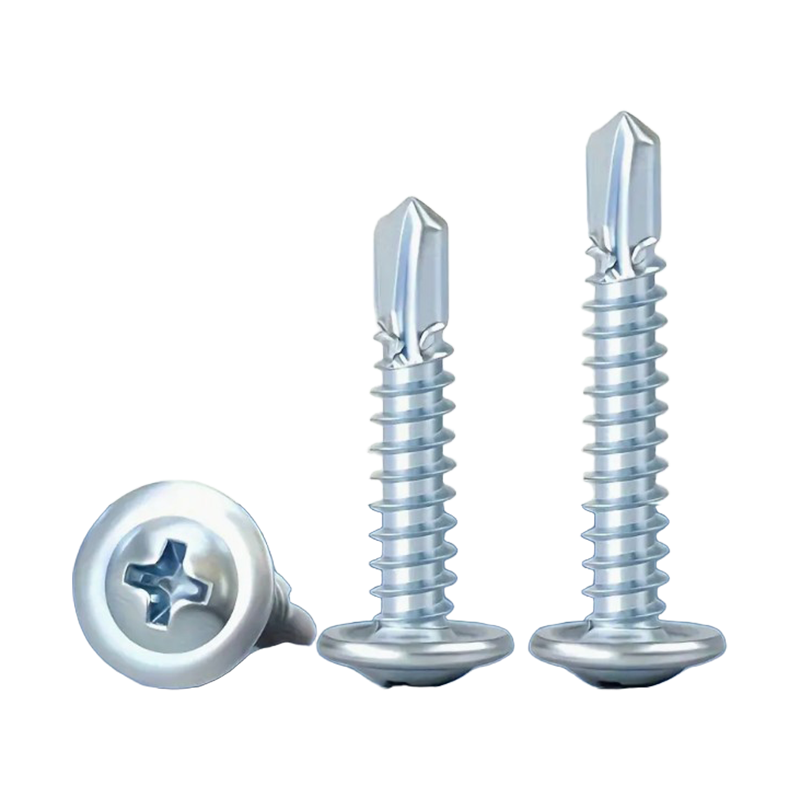
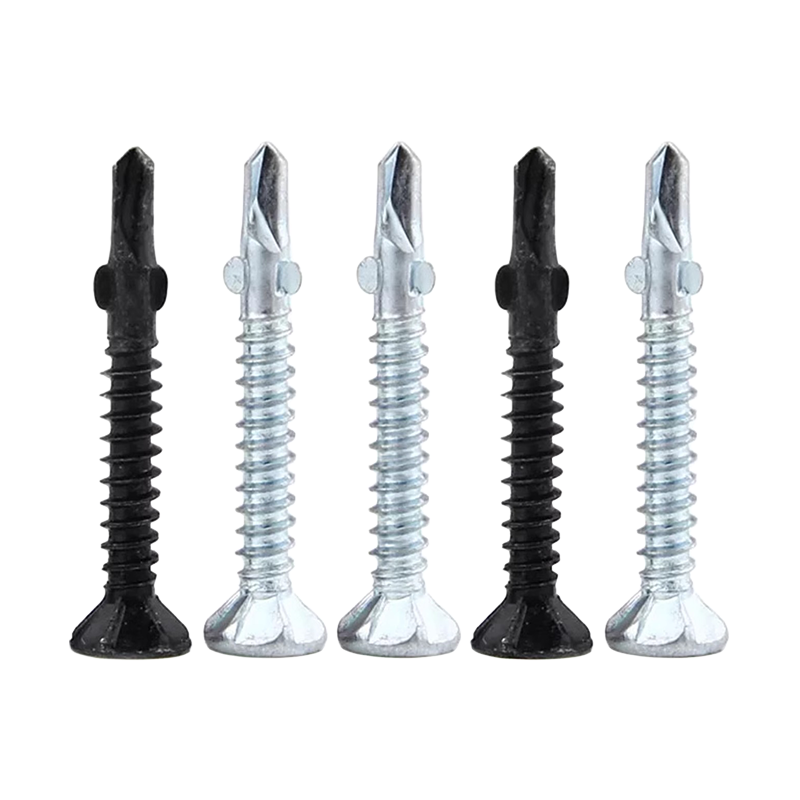
Self-tapping screws made from carbon steel are indispensable for efficiently joining metal sheets, plastics, and wood without the need for a pre-drilled tap. Their sharp threads and hard material allow them to cut their own mating thread. At Wuxi Sharp Metal Products, our production capabilities allow for large-scale manufacturing of these reliable fasteners, ensuring consistent quality for industrial and construction use.
Typical Applications:
- Sheet metal assembly in HVAC systems.
- Fastening light gauge metal framing.
- Attaching metal brackets to wood or plastic.
High-Strength Structural Connections
For projects where safety and load-bearing capacity are non-negotiable, high-strength carbon steel screws for structural connections are the go-to solution. These are typically made from medium or high-carbon steel and are often heat-treated. Their superior clamping force and shear strength make them essential in framing, steel construction, and heavy equipment assembly[1].
Corrosion-Resistant Coatings for Outdoor Use
While bare carbon steel is susceptible to rust, this is easily mitigated with coatings. Screws treated for outdoor durability are a major category. Best corrosion-resistant coatings for outdoor carbon steel screws include zinc plating (electroplated or hot-dip galvanized), phosphating, and advanced polymer coatings. Each offers a different level of protection and lifespan in harsh environments.
Selecting the right coating involves comparing their protective qualities and cost. Zinc plating provides a good basic barrier, while hot-dip galvanizing offers a thicker, more durable layer for highly corrosive settings. The table below provides a clear comparison.
| Coating Type | Protection Mechanism | Typical Outdoor Lifespan | Relative Cost |
|---|---|---|---|
| Zinc Plating (Electro) | Sacrificial anode, barrier | 2-5 years (moderate environments) | Low |
| Hot-Dip Galvanizing | Thick zinc-iron alloy layer | 20+ years (harsh environments) | Medium to High |
| Phosphate & Oil | Barrier layer, good paint adhesion | Short-term (often used as a base for paint) | Low |
| Polymer Coating (e.g., Nylon) | Complete physical barrier, chemical resistance | 5-15 years | Medium |
Machine Screws and Precision Engineering
In the realm of precision equipment and machinery, carbon steel machine screws with precise threading are critical. These screws feature uniform threads and are designed to be used with a nut or tapped hole. Their dimensional accuracy ensures reliable performance in appliances, automotive components, and electronic enclosures.
Choosing Screws for Wood and Concrete
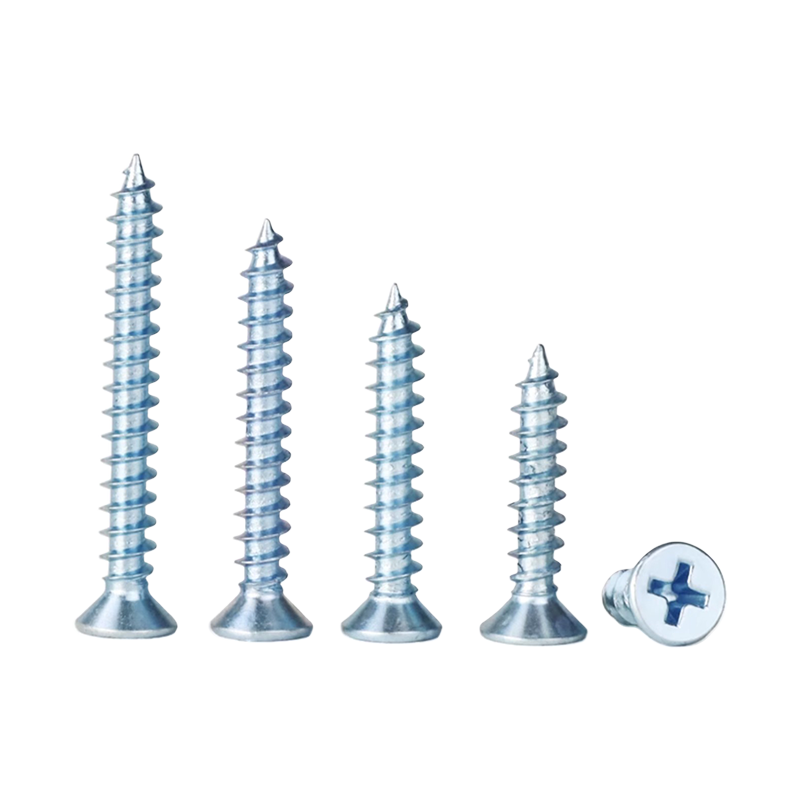
Two common but distinct applications involve fastening to wood and masonry. Carbon steel screws for wood vs concrete applications differ significantly in design. Wood screws have a tapered shank and coarse threads for gripping fibrous material. Concrete screws (or cement screws), on the other hand, have high-low threading and are incredibly hard to cut into masonry. Using the wrong type can lead to failure, so understanding their specific designs is crucial for project integrity.
The fundamental difference lies in their thread design and material treatment. Wood screws are optimized for pull-out resistance in a soft but grippy material, while concrete screws are engineered for abrasion resistance and to create a thread in a hard, brittle substrate. The following table highlights these operational differences.
| Feature | Carbon Steel Wood Screws | Carbon Steel Concrete Screws |
|---|---|---|
| Thread Design | Coarse, widely spaced, tapered | Asymmetric (high-low), serrated |
| Point Type | Sharp, self-drilling for soft wood | Fluted or flat, requires pre-drilled hole in concrete |
| Primary Function | Maximize grip in wood fibers | Cut and displace masonry material |
| Typical Coating | Bright zinc, brass, or phosphate | Corrosion-resistant coatings for damp environments |
Selection Criteria: How to Choose the Right Carbon Steel Screw
Selecting the appropriate screw involves more than just size. Consider these factors to ensure optimal performance and longevity.
Assessing the Load and Stress Requirements
- Tensile Load: Will the screw be under pulling force? Choose a grade with adequate tensile strength.
- Shear Load: Will forces try to slide the joined materials apart? A screw's shear strength is vital here.
- Vibration: For dynamic loads, consider screws with locking features or higher preload capabilities.
Evaluating the Environmental Conditions
- Indoor vs. Outdoor: Outdoor or damp indoor environments mandate corrosion-resistant coatings.
- Chemical Exposure: Industrial settings may require specific platings (like zinc-nickel) or polymer coatings.
- Temperature: Standard carbon steel screws can lose temper at high temperatures; consider heat-treated grades for such conditions.
Compatibility with Materials Being Joined
- Ensure the screw's thread type (machine, self-tapping, wood) matches the base material.
- Consider galvanic corrosion: using a carbon steel screw with a dissimilar metal (like aluminum) without isolation can accelerate rust[2].
Manufacturing Excellence at Wuxi Sharp Metal Products
Founded in 1993 and based in Yanqiao Industrial Park, Wuxi, Wuxi Sharp Metal Products Co., Ltd. embodies manufacturing excellence. Our 6,000-square-meter factory, equipped with over 100 machines, supports an annual output of approximately 2,000 tons, backed by an inventory of over 800 tons. This scale ensures reliable supply for global customers. Our strict quality assurance system governs every step, from raw material selection to final inspection. We specialize not only in carbon steel screws but also in a full range of fasteners including stainless steel self-tapping screws, wood screws, and specialized screws for drywall, fiber, and cement. Our deep involvement in the door and window accessories trade since 2000 further refines our understanding of fastening requirements for both engineering and home decoration systems. We innovate continuously to ensure product leadership, providing society, customers, and our company with higher market value through advanced technology and unwavering integrity.
Frequently Asked Questions (FAQs)
1. What is the main advantage of using carbon steel screws over stainless steel?
The primary advantage is higher tensile strength at a lower cost. Carbon steel screws, especially in medium and high grades, can handle greater loads and stresses than many standard stainless steel grades (like 304). However, stainless steel excels in corrosion resistance without requiring additional coatings.
2. How can I prevent my carbon steel screws from rusting?
Rust prevention is achieved through protective coatings. Common methods include zinc plating (electroplating or hot-dip galvanizing), black oxide finishing, or applying polymer coatings. The choice depends on the environment—hot-dip galvanizing is best for long-term outdoor exposure.
3. Can I use a carbon steel wood screw for concrete?
No, it is not recommended. Carbon steel screws for wood vs concrete applications are engineered differently. Wood screws lack the hardness and specific thread design needed to cut into concrete, likely causing them to break or strip. Always use hardened carbon steel screws designed specifically for masonry.
4. What does the grade marking on a carbon steel screw head mean?
The grade marking (like lines on the head) indicates the screw's material strength as per standards like SAE or ASTM. More lines generally signify higher carbon content and greater strength. For example, Grade 2 has no lines, Grade 5 has three, and Grade 8 has six lines.
5. Are self-tapping screws made from carbon steel reusable?
They can be reused to a limited extent, but it's not ideal. Each use wears down the cutting threads, especially in hard materials. For critical connections or metal assemblies, it is best practice to use a new screw to ensure full thread engagement and holding power.
References
[1] Bickford, J. H., & Nassar, S. (Eds.). (1998). *Handbook of Bolts and Bolted Joints*. Marcel Dekker, Inc. This source discusses the principles of high-strength fasteners in structural applications, informing the section on load-bearing screws.
[2] Roberge, P. R. (2008). *Corrosion Engineering: Principles and Practice*. McGraw-Hill. This text details the mechanisms of galvanic corrosion, relevant to the section on material compatibility and environmental considerations for fastener selection.