 +86-15052135118

 Español
 Get In Touch


Content
- 1 Advantages of Carbon Steel Screws
- 2 Common Use Cases for Carbon Steel Screws
- 3 Challenges and Considerations When Using Carbon Steel Screws
- 4 How to Choose the Right Carbon Steel Screw for Your Project
- 5 FAQ
- 5.1 Why would I use carbon steel screws corrosion resistance when stainless screws exist?
- 5.2 How do I choose between a wood screw and a self‑tapping carbon steel screw?
- 5.3 Are there standards or grades I should check when buying carbon steel screws to ensure strength?
- 5.4 Can I use carbon steel self tapping screws for metal outdoors if coated properly?
Advantages of Carbon Steel Screws
Strength and Load‑Bearing Capacity
When you pick a carbon steel screw, one of the main reasons is its superior strength and load‑bearing capacity compared to many softer materials. Carbon steel, having a higher carbon content than plain mild steel, gives the screw greater hardness and tensile strength. This makes the screw more resistant to shear forces, deformation, and loosening under load — which is particularly valuable in structural applications or any project where stability and longevity matter.
- High tensile strength helps resist pull‑out or failure under heavy loads.
- Hardness reduces risk of thread stripping during installation or over time.
- Reliable long-term holding power, especially in load-bearing or weight-bearing assemblies.
Cost‑Effectiveness and Availability
Another advantage of carbon steel screw is its cost-effectiveness. Compared to more exotic or corrosion‑resistant materials, carbon steel is relatively inexpensive to produce, widely manufactured, and commonly stocked. This makes it a practical choice for a broad range of projects — from DIY furniture building to large‑scale construction — without sacrificing basic mechanical performance. The balance between performance and affordability helps explain why carbon steel screws remain a dominant option across industries.
- Lower material and production cost compared to stainless or specialty fasteners.
- Widespread availability in various sizes and thread types, easing procurement.
- Efficient cost-to-performance ratio, especially for non-corrosive indoor or controlled-environment projects.
Versatility for Different Applications
Versatility is another strong point for carbon steel screw. Whether you're building furniture, framing a wooden structure, fastening metal parts, or doing general carpentry, carbon steel screws come in many variants — wood screws, machine screws, self‑tapping screws, sheet‑metal screws — making them adaptable to diverse contexts. This flexibility allows a single material type to serve many needs, reducing complexity and simplifying inventories for builders and DIY‑ers alike.
- Available in wood‑screw, machine‑screw, self‑tapping variants.
- Suitable for both wood-to-wood and metal-to-wood/metal connections (with appropriate thread/tip).
- Compatible with many head types and thread pitches to match different project requirements.
Common Use Cases for Carbon Steel Screws
Woodworking and Furniture Assembly
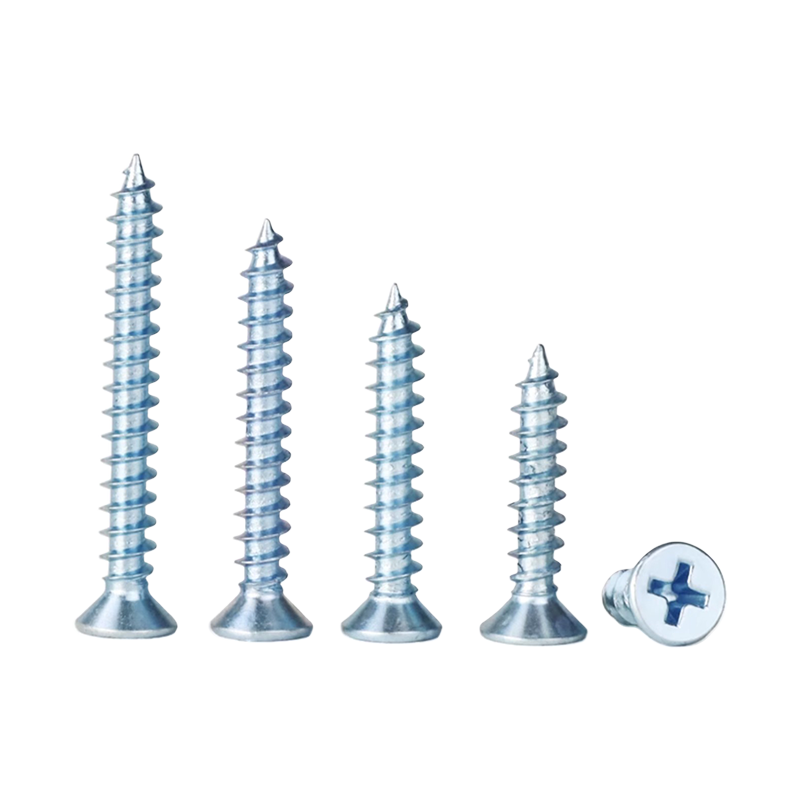
One of the most frequent applications for carbon steel wood screws for furniture is in woodworking and furniture assembly. Thanks to their strength and secure holding power, these screws are ideal for joining wood panels, frames, or structural supports in furniture pieces — particularly when the load or wear might be significant over time. For indoor furniture or cabinetry where exposure to humidity or corrosive elements is limited, carbon steel wood screws often provide the optimal balance of strength, cost, and ease of use.
- Assembling frames, chairs, tables, or shelving units.
- Connecting thick wood panels where high-strength fasteners improve longevity.
- Projects where structural integrity matters more than exposure to humidity or moisture.
General Construction and Framing
In construction contexts — such as framing walls, securing structural elements, or building indoor fixtures — high strength carbon steel screws for construction are frequently used. Because carbon steel screws can handle substantial shear and tensile loads, they provide stable, long-lasting joints when joining structural wood or light framing members. For projects not exposed to harsh environmental conditions, they are often preferred over more expensive alternatives.
- Interior framing and structural woodwork where environmental exposure is controlled.
- Temporary or permanent fixtures — shelving, brackets, supports inside buildings.
- Budget-conscious building projects requiring reliable fasteners without premium cost.
Metal‑to‑Metal or Metal‑to‑Wood Fastening (Self‑tapping)
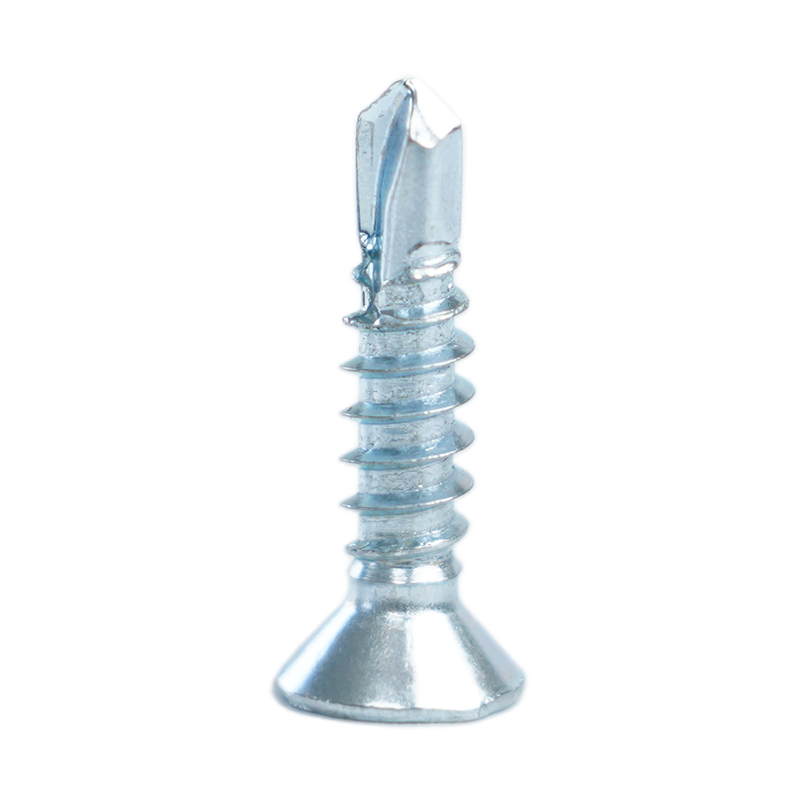
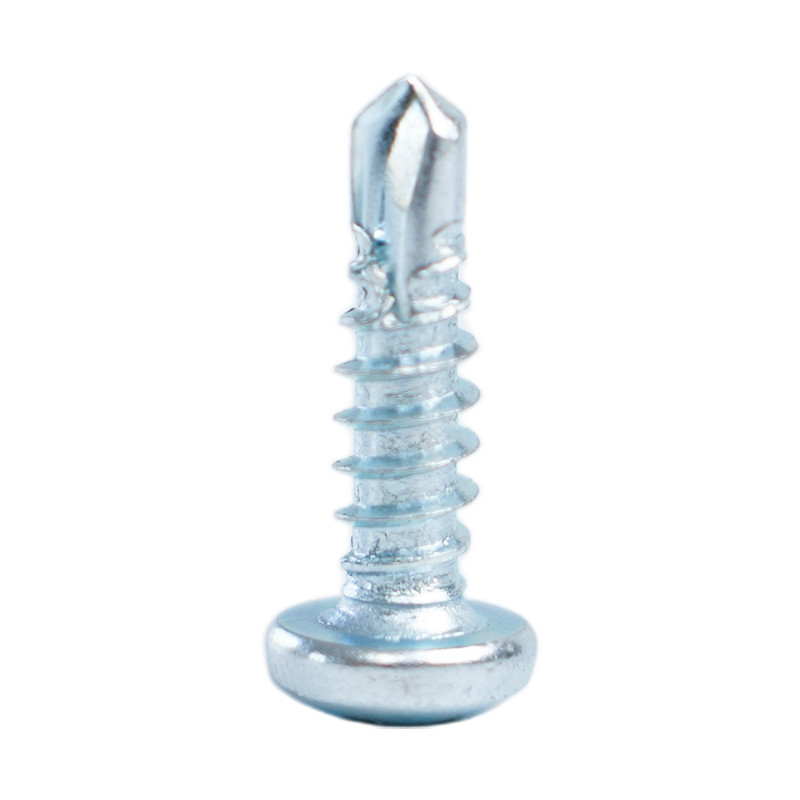
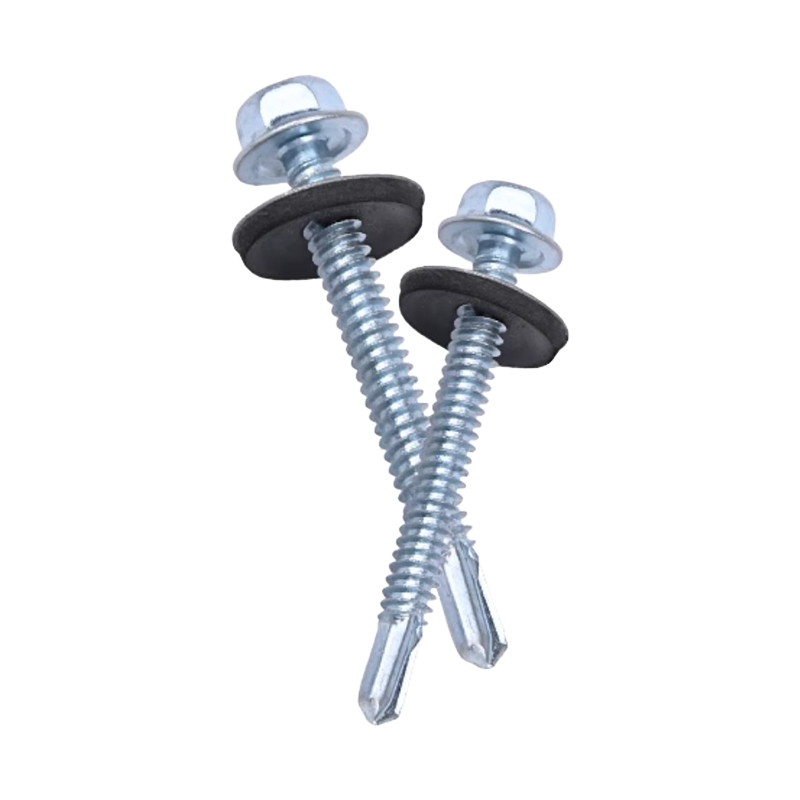
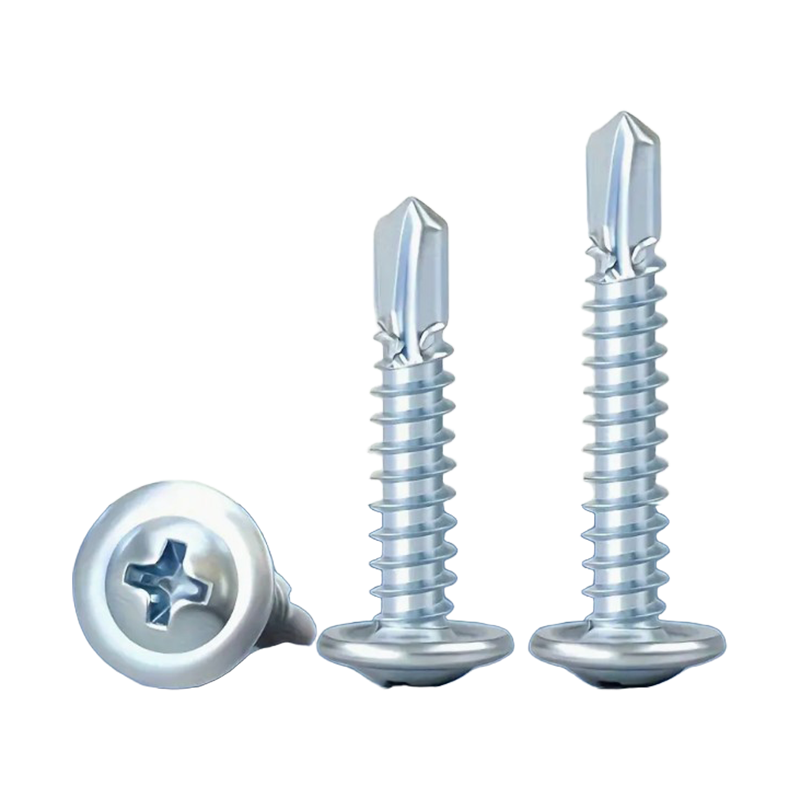
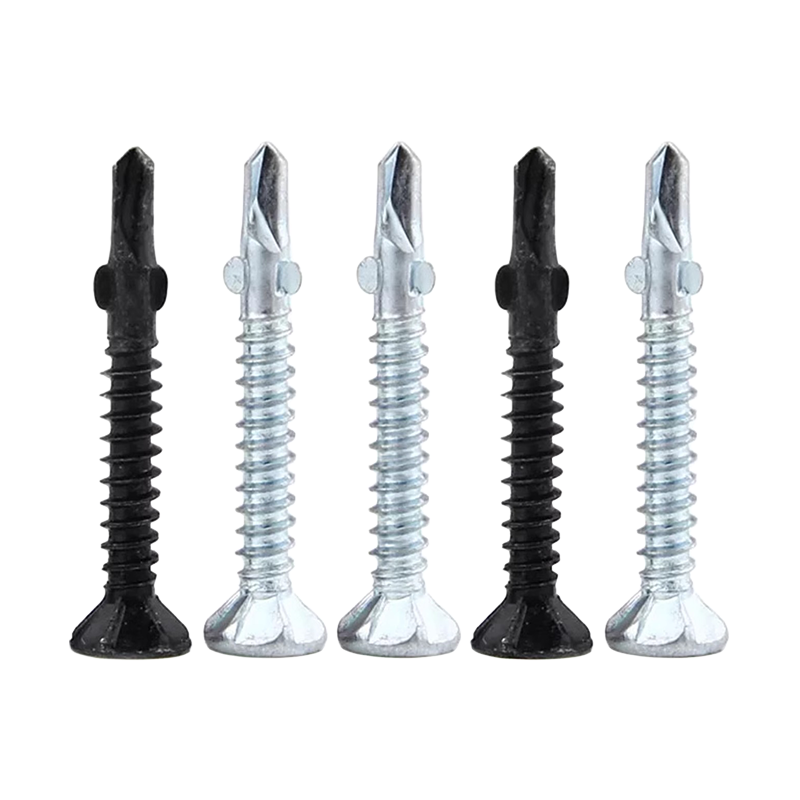
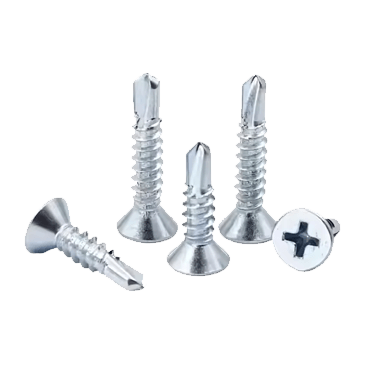
For projects involving metal or combining metal and wood, using carbon steel self tapping screws for metal can be efficient and effective — provided the correct thread type and tip are selected. Self‑tapping carbon steel screws can cut threads into softer metals or pre‑drilled holes, offering a strong bond without the need for welding or complex mechanical connectors. For light metalwork, HVAC, brackets, or metal framing — especially indoors — they remain a workhorse option when stainless or corrosion‑resistant screws are not mandatory.
- Light gauge metal framing or sheet‑metal work where corrosion risk is low.
- Metal-to-wood or metal-to-metal assemblies in controlled environments.
- Situations requiring ease of installation and strong mechanical hold without specialized tools.
Challenges and Considerations When Using Carbon Steel Screws
Corrosion and Rust Risk
A well-known drawback of using carbon steel screws is their susceptibility to corrosion or rust — especially in humid, wet, or outdoor environments. Unless protected by coatings, carbon steel’s strength can be compromised over time when exposed to moisture or harsh conditions. This makes plain carbon steel screws less suitable for outdoor, marine, or chemically aggressive environments. Therefore, it’s essential to weigh environmental conditions carefully before choosing carbon steel.
- Uncoated carbon steel oxidizes over time in humid or wet conditions.
- Rust can weaken the screw, reduce holding power, or make removal difficult.
- Frequent inspection and maintenance may be needed if used in less-than-ideal environments.
Need for Proper Coatings and Environmental Awareness
To mitigate corrosion risks, many carbon steel screws are offered with protective coatings or treatments. For users considering carbon steel screws corrosion resistance, it’s critical to pick screws with appropriate coating or plating — or consider alternative materials. Even then, protective coatings may wear off over time, especially if the screws are subjected to friction, abrasion, or harsh chemicals. Therefore, matching the screw material and coating to the environment is a key part of responsible use.
- Common coatings include zinc plating, phosphate coating, or other rust‑resistant finishes. :contentReference[oaicite:0]{index=0}
- For indoor or low‑moisture environments, coated carbon steel may suffice; for damp or exterior use, alternatives may be safer.
- Regular maintenance and inspection might be required if screws are in variable or harsh conditions.
When Stainless or Galvanized Screws Might Be Better
Although carbon steel screws offer many advantages, there are scenarios where choosing stainless steel or galvanized screws makes more sense — for example, in outdoor, coastal, or high‑humidity environments. In such contexts, alternative materials avoid the risk of corrosion altogether. Considering long-term durability, using materials with inherent corrosion resistance can save maintenance costs and ensure structural integrity. The decision should factor in environment, exposure, and longevity requirements rather than upfront cost alone.
- Outdoor, coastal, or high‑moisture environments where corrosion risk is high.
- Projects requiring minimal maintenance over decades (e.g. exterior decks, fences, outdoor fixtures).
- Situations where dissimilar metals are joined, risking galvanic corrosion if plain carbon steel is used. :contentReference[oaicite:1]{index=1}
How to Choose the Right Carbon Steel Screw for Your Project
Matching Screw Type to Materials and Load Requirements
Choosing the right type of screw — wood screw, machine screw, self‑tapping screw — depends largely on the materials you are fastening and the load or stress the joint will endure. For wood‑to‑wood, wood screws with coarse threads are usually best; for metal‑to‑metal joints, self‑tapping or machine screws may be more appropriate. Assessing load requirements — shear, tensile stress, static or dynamic load — helps ensure the selected screw will perform reliably over time. Using a mismatched screw can lead to stripped threads, weakened hold, or even structural failure.
- Wood‑to‑wood: prefer wood screws with coarse threads for better grip in timber fibers.
- Metal‑to‑metal or metal‑to‑wood: self‑tapping or machine‑type carbon steel screws if environment allows.
- Load-critical joints: choose screws with sufficient tensile and shear strength rating (prefer higher‑grade carbon steel when available).
Considering Coating, Thread, Length, and Head Type
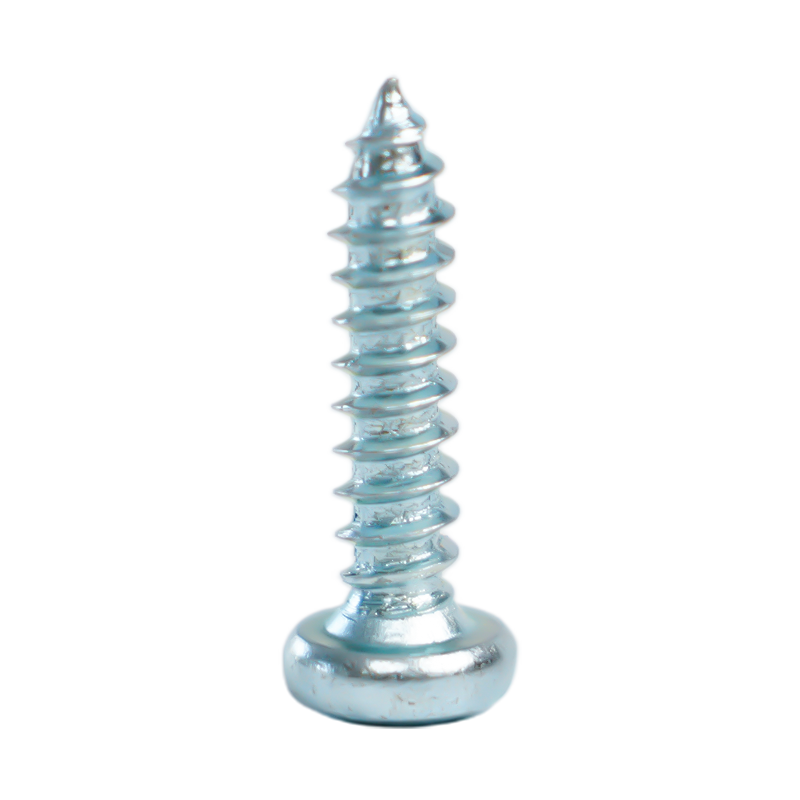
Beyond just the material, details like coating, thread pitch, screw length, and head or drive type significantly affect performance. For example, screws meant for softer wood benefit from coarse threads, while harder materials or precise metalwork might require fine threads. Screw length must be sufficient for solid engagement but not excessively long to avoid protrusion or splitting. Head type — flat‑head for flush installation, pan‑head or hex for deeper holds — also influences structural integrity and aesthetic finish. Choosing the right combination ensures the screw performs as intended.
- Coating/plating (e.g. zinc, phosphate) for corrosion protection when needed. :contentReference[oaicite:2]{index=2}
- Thread type and pitch matched to material hardness and joint requirements. :contentReference[oaicite:3]{index=3}
- Proper screw length — long enough for secure hold, not so long as to protrude or split material.
- Head/drive type chosen based on installation (flush vs exposed) and tool compatibility.
Installation Best Practices
Even the best screw can fail if installed incorrectly. For wood, pre‑drilling pilot holes reduces the risk of splitting, especially in hardwood or near edges. Using the correct driver and avoiding over‑tightening prevents stripping heads or damaging threads. For metal applications, ensuring proper alignment and using a torque‑controlled driver helps avoid excessive stress. Finally, regular inspection and maintenance — especially if screws are in variable or moisture-prone environments — helps detect corrosion or loosening before it becomes problematic.
- Pre‑drill pilot holes in wood to reduce splitting risk, especially in hardwood or near edges.
- Avoid over‑tightening; use proper torque or controlled driver for metal screws.
- Ensure correct alignment before driving, particularly in multi-material joints.
- Inspect periodically for corrosion or loosening if environmental conditions warrant.
FAQ
Why would I use carbon steel screws corrosion resistance when stainless screws exist?
Using carbon steel screws — even in applications where corrosion resistance matters — can make sense if you opt for properly coated versions and the environment is not excessively harsh. Coated carbon steel screws are generally more affordable and offer acceptable durability in many indoor or moderate‑humidity settings. For projects like indoor furniture, cabinets, or interior framing, a coated carbon steel screw often provides a cost-effective, strong, and reliable solution without the premium cost of stainless screws. The key is in matching the screw’s coating and material properties to the environmental exposure.
How do I choose between a wood screw and a self‑tapping carbon steel screw?
The choice depends on the materials you are fastening and the nature of the joint. If you are connecting wood-to-wood, or wood panels — especially in furniture or carpentry — then a wood screw (with coarse thread and pointed tip) generally offers the best grip. On the other hand, if you are fastening metal-to-metal or metal-to-wood, especially when working with sheet metal or pre‑drilled metal parts, a self‑tapping carbon steel screw can cut threads and provide a secure connection without a nut or bolt. Always ensure the screw’s thread type, tip, and length are appropriate for the materials involved.
Are there standards or grades I should check when buying carbon steel screws to ensure strength?
Yes — especially for load‑bearing or structural use — you should ensure that the carbon steel screws meet recognized mechanical strength standards or have tensile and shear ratings sufficient for your project demands. While many general‑purpose screws suffice for furniture or interior uses, structural applications (e.g. framing, supports) benefit from higher‑grade screws that are rated for load and stress. Evaluating screw specifications — including carbon content, thread design, head type, and length — helps guarantee long-term safety and performance.
Can I use carbon steel self tapping screws for metal outdoors if coated properly?
It is possible — but caution is needed. If the coating is high quality (such as proper galvanization or rust‑resistant plating) and the environmental exposure (rain, humidity, salt, chemicals) is moderate, coated carbon steel self‑tapping screws might perform acceptably. However, for harsh outdoor, marine, or high‑moisture environments, even coated carbon steel may eventually corrode or require maintenance. In those cases, stainless steel or specially treated fasteners may offer more reliable long-term performance. Always evaluate environmental conditions and maintenance capacity before deciding.