 +86-15052135118

 Español
 Get In Touch


Content
Understanding the Fundamentals of Stainless Steel Fasteners
Stainless steel screws represent a cornerstone of modern construction, manufacturing, and DIY projects due to their exceptional corrosion resistance, strength, and durability. Unlike standard carbon steel screws, stainless steel variants incorporate chromium, which forms a passive oxide layer on the surface, protecting the metal from rust and staining. This intrinsic property makes them indispensable for applications exposed to moisture, chemicals, or outdoor environments. The selection process, however, extends beyond merely choosing a "stainless steel screw." Factors such as grade, drive type, head style, thread design, and coating must be carefully considered to ensure optimal performance and longevity. For instance, a screw suitable for securing a deck board may be entirely inappropriate for fastening a marine component. This guide delves deep into the critical aspects of stainless steel screws, providing the knowledge needed to make informed decisions for any project. With decades of experience in precision manufacturing, companies like Wuxi Sharp Metal Products Co., Ltd. understand that the foundation of a reliable assembly often lies in the quality and appropriateness of its smallest components.
Five Key Considerations for Specialized Applications
To navigate the complex world of stainless steel fasteners, it is essential to focus on specific application needs. The following five long-tail keywords highlight critical, yet often overlooked, areas where precise knowledge can prevent project failure and ensure structural integrity. These terms represent queries from professionals and enthusiasts seeking targeted solutions for demanding environments.
1. stainless steel screw for outdoor furniture
Outdoor furniture is subjected to a relentless combination of weather elements: rain, UV radiation, temperature fluctuations, and sometimes salt spray. Using the wrong type of screw can lead to ugly rust stains, weakened joints, and ultimately, structural failure. Therefore, selecting the appropriate stainless steel screw for outdoor furniture is not a recommendation but a necessity. The primary enemy here is corrosion, particularly pitting and crevice corrosion, which can occur in the threaded areas where oxygen is limited.
The most commonly recommended grades for outdoor furniture are A2 (304 stainless steel) and A4 (316 stainless steel). A2 stainless steel offers excellent resistance to atmospheric corrosion and is suitable for most garden furniture, patio sets, and outdoor structures not in direct coastal environments. In contrast, A4 stainless steel, with its added molybdenum content, provides superior resistance to chlorides, making it the ideal choice for furniture near swimming pools or in coastal regions. Beyond grade, the screw's design is crucial. Trim head or flat head screws that sit flush with the material prevent water pooling. Furthermore, using screws with a coarse thread for softwoods or a fine thread for hardwoods ensures a strong grip without splitting the material. A critical comparison lies in their corrosion resistance properties, which can be summarized as follows:
The key difference between A2 and A4 grades for outdoor use is their chemical composition and resulting resistance to specific corrosive agents. A2 (304) stainless steel performs admirably in most atmospheric conditions but can succumb to chloride-induced corrosion. A4 (316) stainless steel, with molybdenum, defends against chlorides, making it essential for harsh environments.
| Property | A2 (304) Stainless Steel Screw | A4 (316) Stainless Steel Screw |
|---|---|---|
| Chromium Content | Approximately 18% | Approximately 16-18% |
| Nickel Content | Approximately 8-10% | Approximately 10-14% |
| Molybdenum Content | 0% | 2-3% |
| Primary Corrosion Resistance | Atmospheric, fresh water, mild acids | Atmospheric, salt water, chlorides, industrial chemicals |
| Best Suited For | Inland outdoor furniture, interior applications | Coastal outdoor furniture, poolside furniture, marine applications |
| Relative Cost | Lower | Higher |
When building or repairing outdoor furniture, always ensure the screw material is compatible with the material being fastened. Using stainless steel screws with aluminum frames, for example, requires careful consideration to prevent galvanic corrosion, where an insulating barrier might be necessary. The investment in the correct stainless steel screw for outdoor furniture guarantees that the piece remains beautiful, sturdy, and safe for years, eliminating the need for frequent repairs or replacements.
2. difference between 304 and 316 stainless steel screws
One of the most fundamental and important distinctions in the stainless steel fastener world is the difference between 304 and 316 stainless steel screws. While both are austenitic, non-magnetic, and offer excellent corrosion resistance, their specific alloy compositions dictate their performance in different environments. Confusing the two can lead to catastrophic failures in critical applications.
304 stainless steel, often referred to as A2 stainless in the fastener industry, is the most versatile and widely used stainless alloy. Its composition of 18% chromium and 8% nickel provides a robust defense against oxidation and corrosion from a wide range of chemicals and atmospheric conditions. It is an excellent general-purpose choice for indoor applications, kitchens, and architectural fittings where exposure to harsh chemicals or salts is minimal. However, its weakness lies in environments rich in chlorides, such as coastal areas or where de-icing salts are used. In these settings, 304 is susceptible to pitting and crevice corrosion.
316 stainless steel, or A4 stainless, addresses this vulnerability by adding 2-3% molybdenum to the mix. This single addition significantly enhances the alloy's resistance to chloride-induced corrosion, as well as to acids and alkalis. This makes 316 the superior material for marine applications, chemical processing plants, pharmaceutical equipment, and any exterior application in salt-laden air. The choice ultimately hinges on the environmental exposure. For a kitchen backsplash, 304 is perfectly adequate and more cost-effective. For a boat deck fitting or a handrail on a seaside boardwalk, 316 is non-negotiable. The performance gap in aggressive environments is substantial, as illustrated in the previous table. Understanding this difference between 304 and 316 stainless steel screws is the first step in engineering for durability and safety.
3. how to prevent galling on stainless steel screws
A common and frustrating issue when working with stainless steel fasteners, especially those of the austenitic family (like 304 and 316), is galling. Galling is a form of severe adhesive wear where two metal surfaces under pressure seize and tear microscopic fragments from each other, effectively cold-welding together. This often results in damaged threads, snapped screw heads, and ruined components. Knowing how to prevent galling on stainless steel screws is essential for efficient assembly and disassembly.
Galling occurs due to the natural properties of stainless steel: its tendency to form a protective oxide layer and its relatively high friction coefficient. When two stainless steel surfaces are tightened together, this oxide layer can break down, allowing pure metal-to-metal contact and leading to adhesion. Several strategies can mitigate this risk effectively. First, controlling the speed of installation is crucial; high-speed power tools generate excessive heat, which accelerates galling. Using a slow, steady torque is always recommended. Second, lubrication is the most effective preventive measure. Applying a dedicated anti-seize compound or a lubricant specifically designed for stainless steel creates a barrier between the threads, reduces friction, and dissipates heat.
Furthermore, the choice of fastener pairing can help. If possible, avoid mating two fasteners of the same stainless steel grade. Using a stainless steel nut with a slightly different hardness than the bolt can reduce the risk. For critical applications, specifying screws with a surface treatment is wise. Some manufacturers offer stainless steel screws with specialized coatings, such as PTFE (Teflon) or other dry-film lubricants, which are baked onto the threads. These coatings provide a permanent, dry lubricating layer that significantly lowers the coefficient of friction. A systematic approach to prevention includes:
- Slow Down: Always install stainless steel screws at a low rotational speed.
- Lubricate: Generously apply a high-quality anti-seize paste to the threads before assembly.
- Use the Right Tools: Employ torque-controlled drivers to avoid over-tightening.
- Consider Coatings: Opt for pre-coated screws with PTFE or similar treatments for high-torque or repetitive assembly/disassembly applications.
- Material Selection: Where design allows, pair dissimilar but compatible materials (e.g., a bronze nut on a stainless steel bolt).
Implementing these practices will save time, money, and frustration by ensuring that stainless steel screw for outdoor furniture or industrial machinery can be removed if necessary without destructive measures.
4. best stainless steel screw for marine environments
Marine environments represent the most aggressive common challenge for metallic components due to constant exposure to saltwater, humidity, and oxygen. The wrong fastener choice here leads to rapid deterioration, compromising safety and integrity. Therefore, identifying the best stainless steel screw for marine environments requires selecting a material that can withstand these relentless conditions.
While 316/A4 stainless steel is often hailed as the go-to grade for "marine" use, this requires nuance. For above-deck applications, where the screw is exposed to salt spray but not continuous immersion, 316 stainless steel is typically the minimum standard. Its molybdenum content provides the necessary defense against chloride attack. However, for critical below-deck fittings, hardware subject to full immersion, or in highly polluted harbors, even 316 may not suffice over the long term. In these extreme cases, marine-grade alloys like 316L (a low-carbon version for better weldability and resistance to sensitization) or even more specialized alloys like duplex stainless steels (e.g., 2205) offer superior performance but at a significantly higher cost.
Beyond the alloy, attention must be paid to the screw's finish and design. Passivation, a chemical process that enhances the natural oxide layer, is highly recommended. The screw should also be designed to minimize crevices where salt can concentrate and initiate corrosion. This means avoiding certain washer-head styles that can trap moisture and opting for smooth, streamlined designs. It is also critical to consider galvanic corrosion. Fastening stainless steel to aluminum or other metals in saltwater creates a galvanic cell. Using isolation washers or sleeves made from non-conductive materials is essential to prevent rapid corrosion of the less noble metal (typically the aluminum). For professionals sourcing hardware for docks, boats, or coastal structures, partnering with an experienced manufacturer like Wuxi Sharp Metal Products Co., Ltd., with its extensive inventory and understanding of material science, ensures access to the appropriate best stainless steel screw for marine environments tailored to the specific exposure level.
5. stainless steel self tapping screw for metal roofing
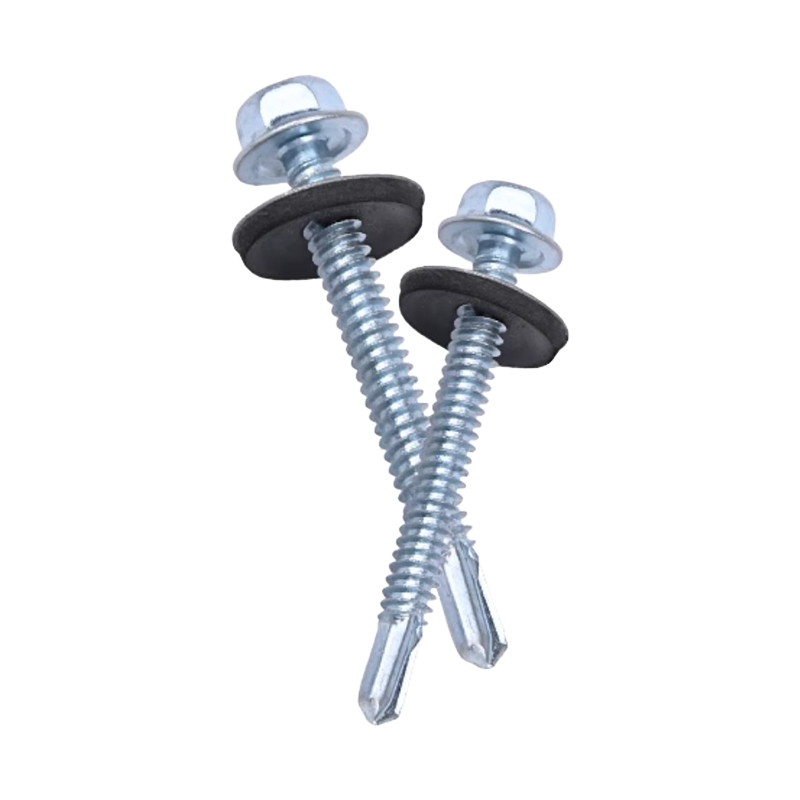
Metal roofing is a popular choice for its durability, longevity, and aesthetic appeal. The integrity of the entire roof system, however, hinges on the fasteners that hold it down. A standard screw won't do; the application demands a specialized stainless steel self tapping screw for metal roofing. These screws are engineered to drill their own pilot hole, form mating threads, and securely clamp metal roofing panels to the underlying structural supports (purlins), all while maintaining a watertight seal.
The design of these screws is highly specific. They typically feature a sharp, self-drilling point that eliminates the need for pre-drilling, saving immense labor time. The thread is often of a wide, spaced design to provide high pull-out strength from the metal substrate. Most critically, they come with a bonded sealing washer, usually made from EPDM (Ethylene Propylene Diene Monomer) rubber, which is compressed under the screw head to create a reliable seal against water ingress. The stainless steel body, invariably 304 or 316 grade, ensures the screw itself does not rust and create unsightly stains or weaken over time.
Selecting the correct screw involves matching it to the total thickness of the materials being fastened. The drill point length must be sufficient to penetrate both the metal roofing panel and the steel purlin beneath. Using a screw with too short a drill point will result in an insecure connection, while one that is too long is wasteful and may damage underlying materials. Furthermore, the washer must be of high quality to retain its elasticity and sealing capability over decades of thermal cycling and UV exposure. A poor-quality washer will harden, crack, and fail long before the metal roof or the stainless steel screw does. When specifying a stainless steel self tapping screw for metal roofing, one must consider:
- Material Grade: 304 for standard applications; 316 for coastal or industrial areas.
- Drill Point Length: Must exceed the total combined thickness of the metal sheets.
- Washer Quality: Look for weather-resistant, compression-set-resistant EPDM washers bonded to the head.
- Head Style: A low-profile hex washer head is common, allowing for easy driving with a socket bit and providing a good bearing surface for the washer.
Companies with a broad production range, such as Wuxi Sharp Metal Products Co., Ltd., which engages in the trade of door and window accessories and has supplied to the building envelope industry since 2000, are well-positioned to understand these precise requirements and manufacture fasteners that meet the rigorous demands of roofing systems.
The Role of Expert Manufacturing in Screw Performance
The theoretical knowledge of grades, applications, and anti-galling techniques is only as good as the physical fastener that arrives on the job site. This is where the expertise and commitment of a seasoned manufacturer become paramount. A screw's performance is determined long before it is driven into place; it is forged in the choices of raw material, the precision of the cold-heading and thread-rolling processes, the rigor of heat treatment (if applicable), and the scrutiny of quality control.
An enterprise like Wuxi Sharp Metal Products Co., Ltd., established in 1993, embodies this principle. Operating from a 6000-square-meter factory with over 100 machines and maintaining an inventory exceeding 800 tons, the scale allows for both large-volume consistency and specialized production runs. The company's principle of "quality first, reputation first" directly translates to the reliability of its stainless steel screws. For instance, ensuring the consistent alloy composition of 304 or 316 wire rod is the first step. Precision machining then creates screws with uniform thread pitch and depth, which is critical for achieving consistent clamping force and preventing cross-threading. A strict quality assurance system involves testing for dimensions, tensile strength, and corrosion resistance, ensuring every batch meets specified standards.
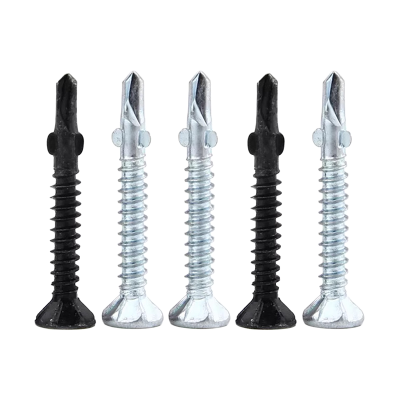
This comprehensive approach to manufacturing is what transforms a generic stainless steel screw for outdoor furniture into a guaranteed long-term solution, or a stainless steel self tapping screw for metal roofing into a component trusted to protect a building for decades. It is the difference between a screw that merely fits and a screw that is engineered to perform. By integrating advanced technology and a robust management system, manufacturers can control every variable, from the difference between 304 and 316 stainless steel screws at the metallurgical level to implementing processes that prevent galling on stainless steel screws through superior surface finishes. Ultimately, when sourcing the best stainless steel screw for marine environments or any critical application, partnering with a manufacturer that controls its production from raw material to finished product is the most reliable strategy for ensuring project success and longevity.