 +86-15052135118

 Español
 Get In Touch


Content
Grade Selection and Performance Distinctions
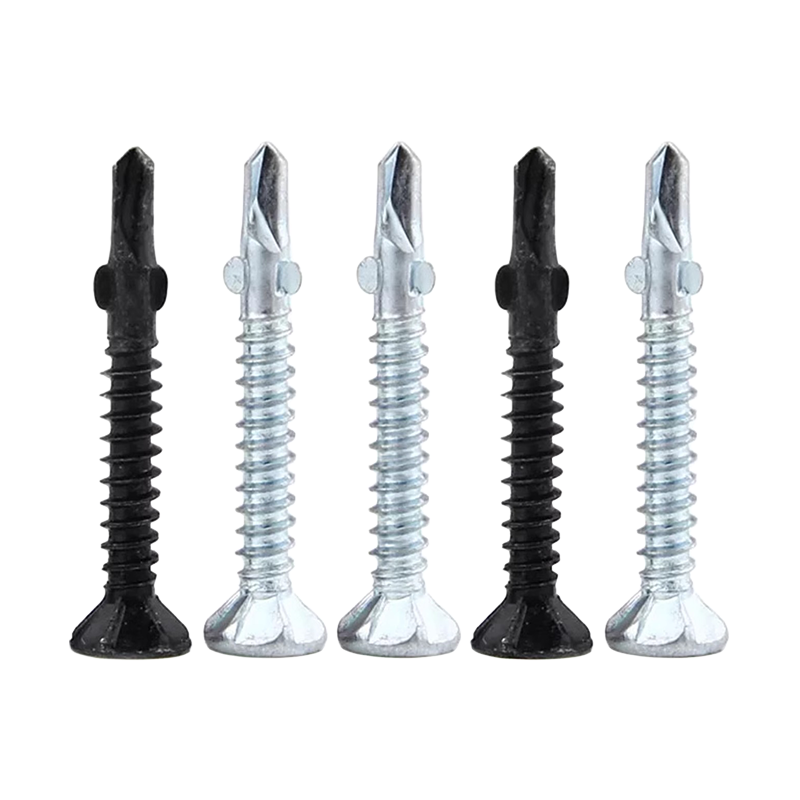
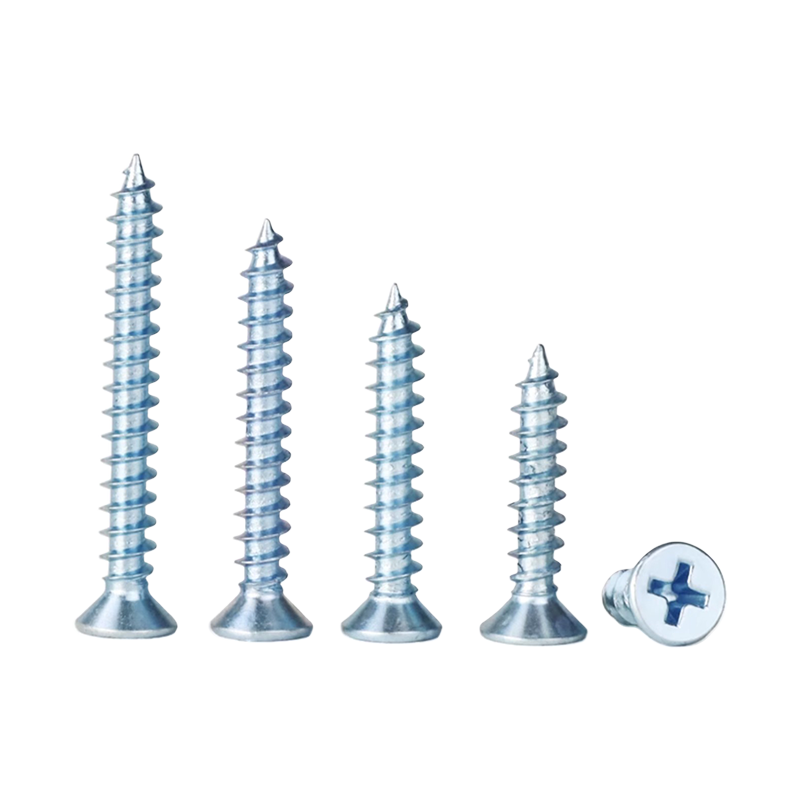
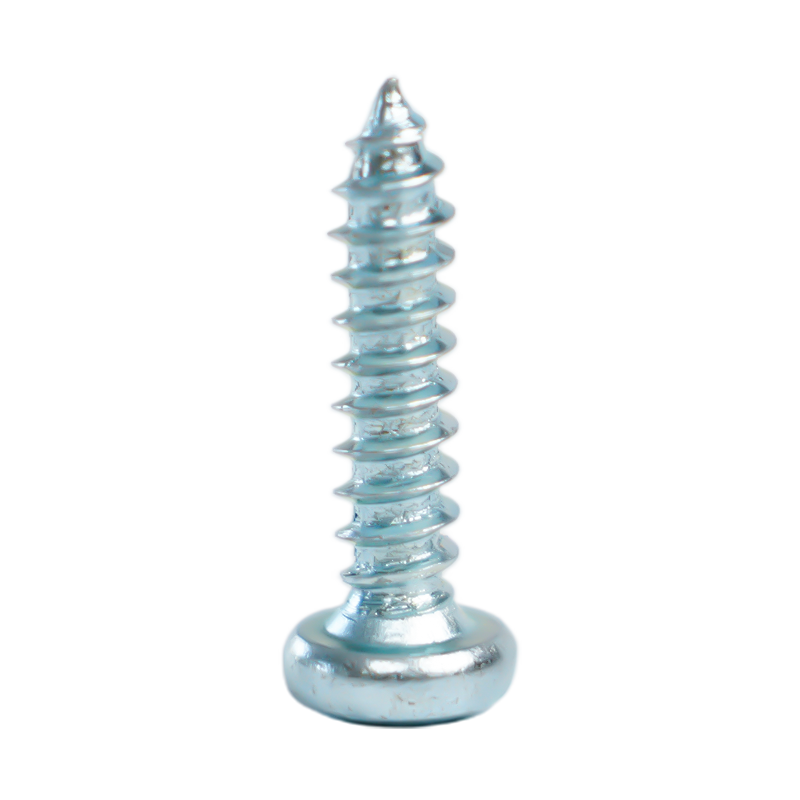
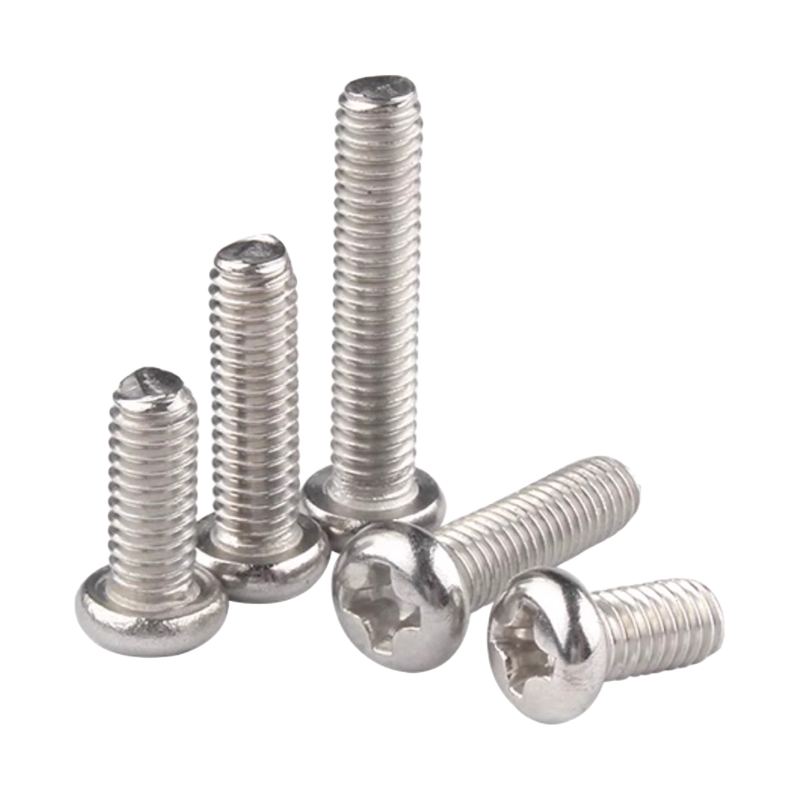
SUS304 stainless steel screw and SUS410 stainless steel screw selection depends on the critical balance between corrosion resistance and mechanical strength requirements. SUS304 provides superior corrosion immunity in atmospheric, chemical, and marine environments through its austenitic chromium-nickel composition, while SUS410 delivers significantly higher hardness and wear resistance through martensitic structure enabled by heat treatment. SUS304 maintains non-magnetic characteristics essential for electronic and medical applications, whereas SUS410 exhibits strong ferromagnetism suitable for magnetic clamping systems. The tensile strength differential reaches 200-300 MPa in favor of hardened SUS410, making it preferable for high-stress mechanical assemblies despite reduced environmental protection.
The Japanese Industrial Standards (JIS) designation system, where SUS denotes Steel Use Stainless, aligns closely with American AISI 304 and 410 grades with minor compositional variations. Global fastener markets consume approximately 2.8 million metric tons of stainless steel screws annually, with austenitic grades representing 75% of volume and martensitic grades capturing 15% primarily in automotive and machinery sectors.
SUS304 Austenitic Composition and Characteristics
SUS304 represents the most widely utilized stainless steel grade for general-purpose fastening applications where corrosion prevention dominates design criteria.
Chemical Composition and Microstructure
SUS304 contains 18-20% chromium and 8-10.5% nickel with carbon limited to 0.08% maximum, creating a stable austenitic face-centered cubic crystal structure at all temperatures. This composition generates a passive chromium oxide film (Cr2O3) approximately 3-5 nanometers thick that self-heals upon oxygen exposure, providing corrosion resistance in environments ranging from freshwater to moderate chemical exposure. The nickel content stabilizes austenite and enhances formability, enabling cold heading and thread rolling without intermediate annealing for screw manufacturing.
Mechanical properties in the annealed condition include 515 MPa tensile strength, 205 MPa yield strength, and 40% elongation, with work hardening during cold forming increasing tensile strength to 700-850 MPa for strain-hardened fasteners. The grade cannot be strengthened through heat treatment, limiting maximum hardness to approximately 200 HV through cold working alone.
Corrosion Resistance and Environmental Limitations
SUS304 stainless steel screws resist general corrosion in rural atmospheres for 50+ years and maintain integrity in freshwater immersion indefinitely. However, chloride environments exceeding 200 ppm concentration induce pitting and crevice corrosion, particularly in stagnant conditions or temperatures above 60 degrees Celsius. The grade is susceptible to stress corrosion cracking in hot chloride solutions, necessitating SUS316 (with 2-3% molybdenum) for marine and chemical processing applications. Sensitization during welding or prolonged exposure to 450-850 degrees Celsius temperature ranges precipitates chromium carbides, reducing intergranular corrosion resistance unless stabilized grades (SUS304L with 0.03% max carbon) are specified.
| Property | SUS304 Annealed | SUS304 Cold Worked | SUS410 Annealed | SUS410 Hardened |
|---|---|---|---|---|
| Tensile strength | 515 MPa | 700-850 MPa | 480 MPa | 700-1000 MPa |
| Yield strength | 205 MPa | 500-650 MPa | 275 MPa | 500-800 MPa |
| Hardness HV | 150-200 | 250-300 | 150-190 | 320-400 |
| Magnetic properties | Non-magnetic | Slightly magnetic | Magnetic | Strongly magnetic |
| Corrosion resistance | Excellent | Excellent | Moderate | Moderate |
SUS410 Martensitic Hardening and Applications
SUS410 provides the only heat-treatable stainless steel option among common screw grades, enabling hardness levels unattainable in austenitic alternatives.
Composition and Phase Transformation
SUS410 contains 11.5-13.5% chromium with 0.15% maximum carbon, sufficient to form martensite upon rapid cooling from austenitizing temperatures but below the 16% threshold maintaining austenite at room temperature. The body-centered tetragonal martensitic structure imparts ferromagnetic properties and responds to quenching and tempering heat treatments. Chromium content provides moderate corrosion resistance superior to carbon steels but inferior to SUS304 due to the absence of nickel and lower overall chromium.
Heat treatment protocols involve austenitizing at 950-1000 degrees Celsius, oil or air quenching, and tempering at 150-650 degrees Celsius to achieve desired hardness-toughness balances. Low-temperature tempering (150-200 degrees Celsius) produces maximum hardness of 38-42 HRC (380-400 HV), while higher tempering temperatures reduce hardness to 25-30 HRC with improved toughness and corrosion resistance.
Mechanical Performance Advantages
Hardened SUS410 stainless steel screws achieve wear resistance and shear strengths 50-80% higher than SUS304, making them suitable for power transmission components, valve trim, and pump shafts requiring galling resistance. The magnetic properties enable sorting and handling with magnetic feeders in automated assembly systems, and facilitate magnetic particle inspection for quality verification. However, the grade exhibits reduced weldability requiring preheat and post-weld heat treatment to prevent cracking, limiting screw manufacturing to machining and cold heading of annealed material followed by heat treatment.
Manufacturing Processes and Thread Formation
Stainless steel screw production adapts forming methods to material work-hardening characteristics and final property requirements.
Cold Heading and Thread Rolling
SUS304 cold heading utilizes high-speed mechanical presses with 5-7 station progressive dies forming heads and shanks from coiled wire of 1.5-12 mm diameter. The material's high work-hardening rate (n-value 0.3-0.5) requires intermediate annealing for complex geometries but enables significant strength enhancement in finished fasteners. Thread rolling with planetary or flat dies produces work-hardened surface layers 20-30% harder than core material, improving fatigue resistance and thread wear performance.
SUS410 cold heading requires annealed wire at 85 HRB maximum hardness to achieve sufficient formability, with finished screws subsequently heat-treated to specification. Thread rolling of hardened SUS410 is impractical, necessitating thread cutting or grinding for precision applications, or rolling in the annealed condition prior to final heat treatment with potential distortion compensation.
Machining and Surface Finishing
Precision screws and small batches utilize CNC turning and thread chasing, with SUS304 requiring positive rake angles and high cutting speeds (80-120 m/min) to prevent work hardening and built-up edge formation. SUS410 machines more readily in the annealed condition but produces abrasive chips when hardened, requiring ceramic or coated carbide tooling. Passivation treatments in nitric or citric acid solutions remove free iron and enhance corrosion resistance, particularly critical for SUS410 to restore chromium-depleted layers from heat treatment.
Selection Guidelines and Application Mapping
Optimal grade selection integrates environmental exposure, mechanical loading, and functional requirements into coherent specifications.
SUS304 Dominant Applications
Specify SUS304 stainless steel screws for food processing equipment, architectural exterior fastening, marine hardware above waterline, chemical processing piping, and medical devices where corrosion immunity and hygiene are paramount. The non-magnetic nature suits electronics assembly, MRI equipment, and scientific instrumentation where ferromagnetic interference must be eliminated. Avoid specification for high-wear applications or where galling against stainless steel mating parts occurs, unless anti-seize compounds or thread coatings are applied.
SUS410 Optimal Use Cases
Deploy SUS410 stainless steel screws in cutlery and tool assemblies, pump and valve components, firearm mechanisms, and high-temperature applications to 650 degrees Celsius where strength and hardness exceed corrosion resistance priorities. The magnetic properties facilitate automated handling in high-volume manufacturing and enable electromagnetic clamping in fixturing systems. Limit exposure to chlorides and acidic environments, and specify protective coatings (zinc phosphate, epoxy) for atmospheric exposure in humid or polluted conditions.
The SUS304 and SUS410 stainless steel screw grades represent complementary solutions within the fastener material spectrum, with selection criteria prioritizing environmental durability for SUS304 and mechanical performance for SUS410. Neither grade universally dominates, and hybrid assemblies utilizing both materials in appropriate locations often optimize overall system reliability and cost efficiency.