 +86-15052135118

 Español
 Get In Touch


Content
- 1 Understanding Screw Sizing: How the Gauge System Works
- 2 What Size Is a #12 Screw and Other Common Gauge Diameters
- 3 What Is the Diameter of a #10 Screw: Pilot Hole and Clearance Hole Sizing
- 4 Self-Tapping Screw Hole Size Chart
- 5 Flat Head Wood Screw Size Chart: Head Diameter and Countersink Dimensions
- 6 Why Use Nails Instead of Screws: The Structural and Practical Case
Understanding Screw Sizing: How the Gauge System Works
Screw sizes in the United States follow a gauge numbering system where a higher gauge number means a larger diameter. This system applies to wood screws, sheet metal screws, self-tapping screws, and machine screws alike. The relationship between gauge number and actual diameter is defined by a fixed formula:
Diameter (inches) = (Gauge × 0.013) + 0.060
This means a #0 screw has a major diameter of 0.060 inches, and each step up adds 0.013 inches. The most common sizes encountered in woodworking, construction, and metalworking range from #4 through #14, with #8 and #10 being the workhorses of general fastening applications.
In addition to gauge, screw sizing includes length (measured from the tip to the widest bearing point of the head — under the head for flat-head screws, at the top of the head for pan or round-head styles) and threads per inch (TPI), which varies by application: coarse-thread screws for wood and soft materials, fine-thread for metal and harder substrates.
What Size Is a #12 Screw and Other Common Gauge Diameters
Using the gauge formula, a #12 screw has a major (outer thread) diameter of 0.216 inches, or approximately 7/32 inch. This places it between a #10 (0.190 in) and #14 (0.242 in) — making it a heavy-duty fastener used in structural wood connections, deck framing, and heavy-gauge sheet metal applications where a #10 lacks sufficient shear strength.
Below is the full diameter reference for the most commonly used screw gauges:
| Gauge # | Major Diameter (in) | Approx. Fraction | Metric Approx. (mm) |
|---|---|---|---|
| #4 | 0.112 | 7/64" | 2.8 mm |
| #6 | 0.138 | 9/64" | 3.5 mm |
| #8 | 0.164 | 5/32" | 4.2 mm |
| #10 | 0.190 | 3/16" | 4.8 mm |
| #12 | 0.216 | 7/32" | 5.5 mm |
| #14 | 0.242 | 15/64" | 6.1 mm |
Note that the major diameter is the measurement across the outer thread crests. The root diameter (measured at the base of the threads) is smaller and determines shear strength — a #10 screw with a root diameter of approximately 0.141 inches resists shear differently from a smooth shank fastener of equal outer dimension.
What Is the Diameter of a #10 Screw: Pilot Hole and Clearance Hole Sizing
A #10 screw has a major diameter of 0.190 inches (approximately 3/16 inch, or 4.8 mm). It is one of the most widely used sizes in general construction and woodworking — large enough to provide reliable holding strength in most structural joints, while remaining manageable to drive without splitting typical lumber dimensions.
For any screw, two pre-drilling hole sizes matter: the pilot hole (drilled in the material receiving the screw threads) and the clearance hole (drilled in the top member so the screw shank passes through freely and pulls the joint tight). For a #10 screw specifically:
- Pilot hole in softwood: 3/32" (2.4 mm)
- Pilot hole in hardwood: 7/64" (2.8 mm)
- Clearance hole: 3/16" (4.8 mm) — matches the major diameter exactly so threads don't engage the top member
Skipping the pilot hole in hardwood with a #10 or larger screw risks splitting the workpiece at the end grain, particularly in species like oak, maple, and cherry where the wood fiber is dense enough to generate significant hoop stress as the thread cuts in.
Self-Tapping Screw Hole Size Chart
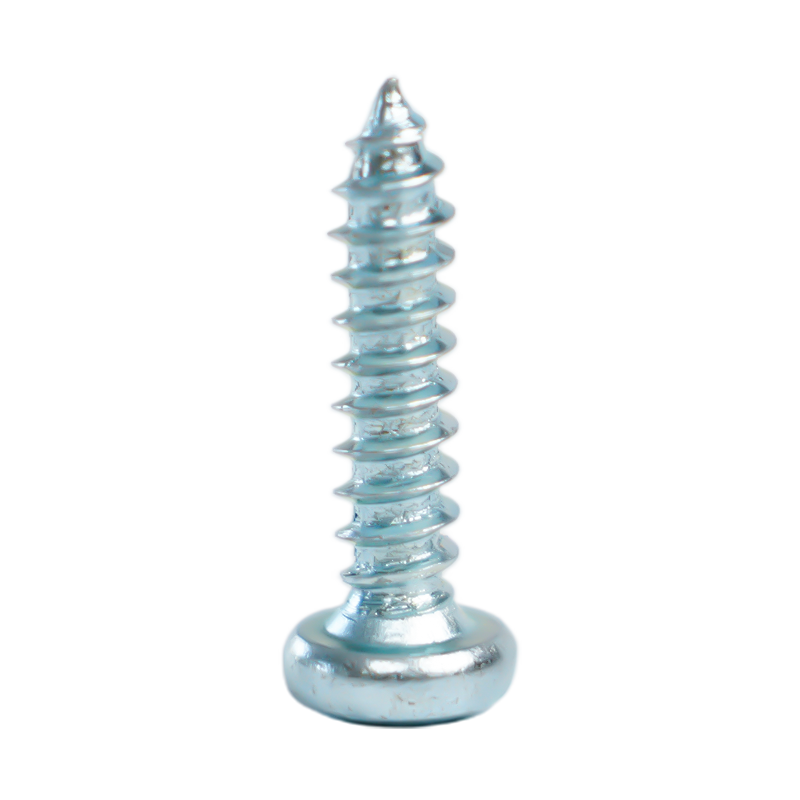
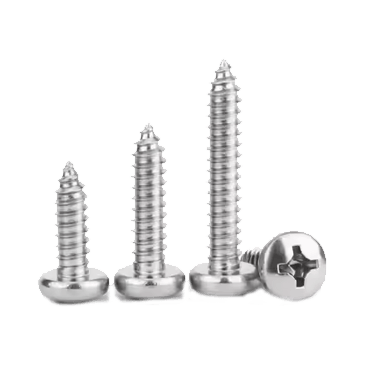
Self-tapping screws cut or form their own threads as they are driven — but they still require a correctly sized pilot hole in the receiving material. Without the right pilot hole, the screw either strips the material (hole too large) or snaps under torsional stress (hole too small). Hole size requirements vary by material type: sheet metal requires different sizing than plastic, and thread-cutting vs. thread-forming self-tappers have different requirements within the same material.
Self-Tapping Screw Pilot Hole Sizes for Sheet Metal (Thread-Cutting Type B / Type AB)
| Screw Size | Major Diameter (in) | Pilot Hole — Soft Metal (in) | Pilot Hole — Hard Metal (in) | Pilot Hole — Plastic (in) |
|---|---|---|---|---|
| #6 | 0.138 | 0.104 (37/350") | 0.113 (#33 drill) | 0.096 (#41 drill) |
| #8 | 0.164 | 0.128 (#30 drill) | 0.136 (#29 drill) | 0.116 (#32 drill) |
| #10 | 0.190 | 0.152 (#24 drill) | 0.161 (#20 drill) | 0.140 (#28 drill) |
| #12 | 0.216 | 0.177 (#16 drill) | 0.185 (#13 drill) | 0.161 (#20 drill) |
| #14 | 0.242 | 0.201 (#7 drill) | 0.209 (#4 drill) | 0.182 (#15 drill) |
Thread-forming (trilobular) self-tapping screws used in thermoplastics require slightly larger pilot holes than thread-cutting types, because they displace material rather than cutting it — the displaced plastic needs somewhere to flow. Always consult the specific fastener manufacturer's recommendation for plastic grades, as pilot hole sizing varies with resin type and wall thickness.
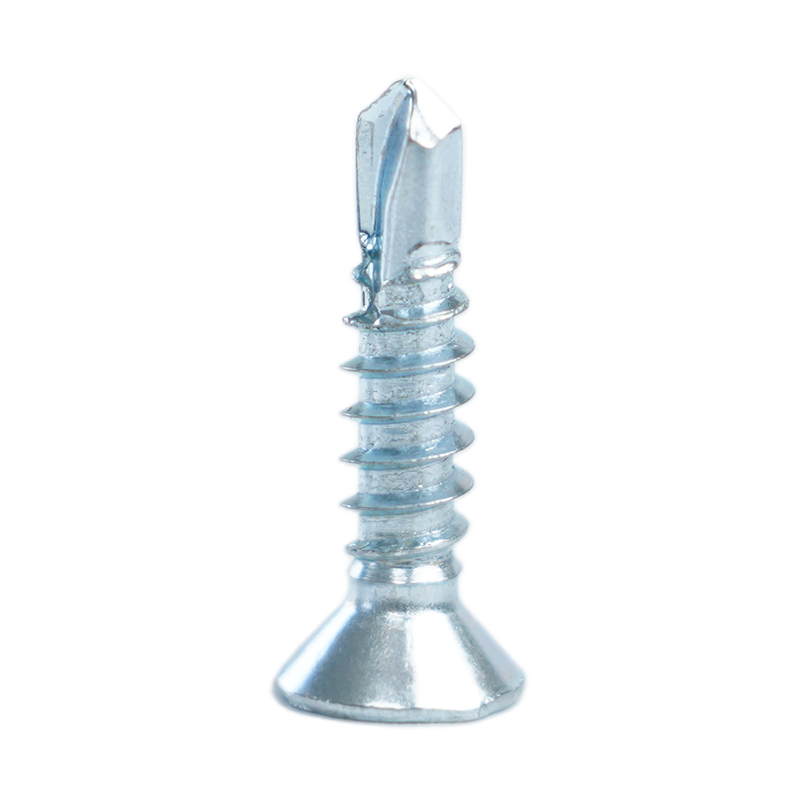
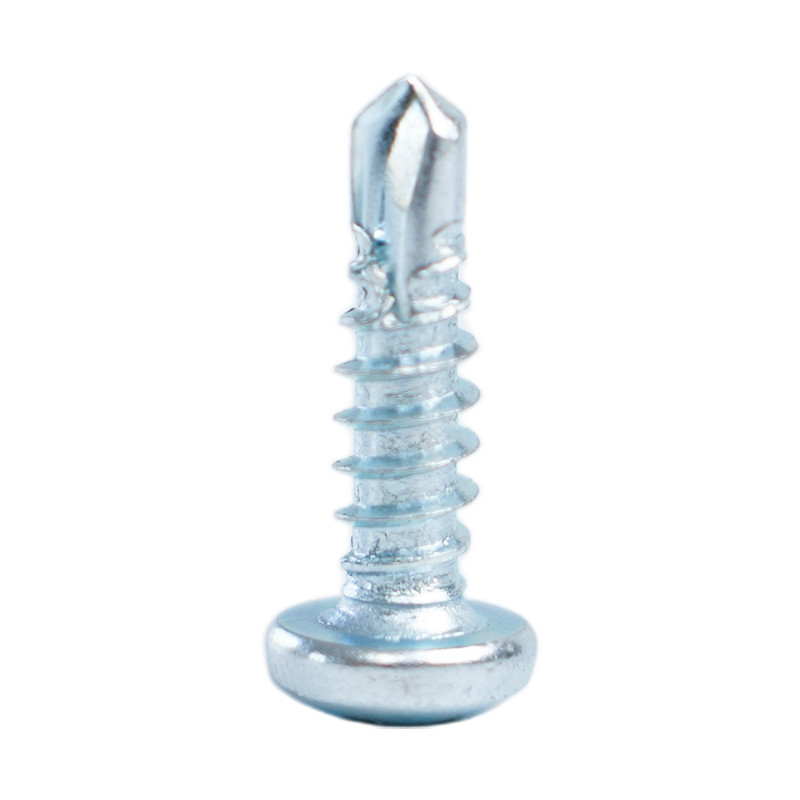
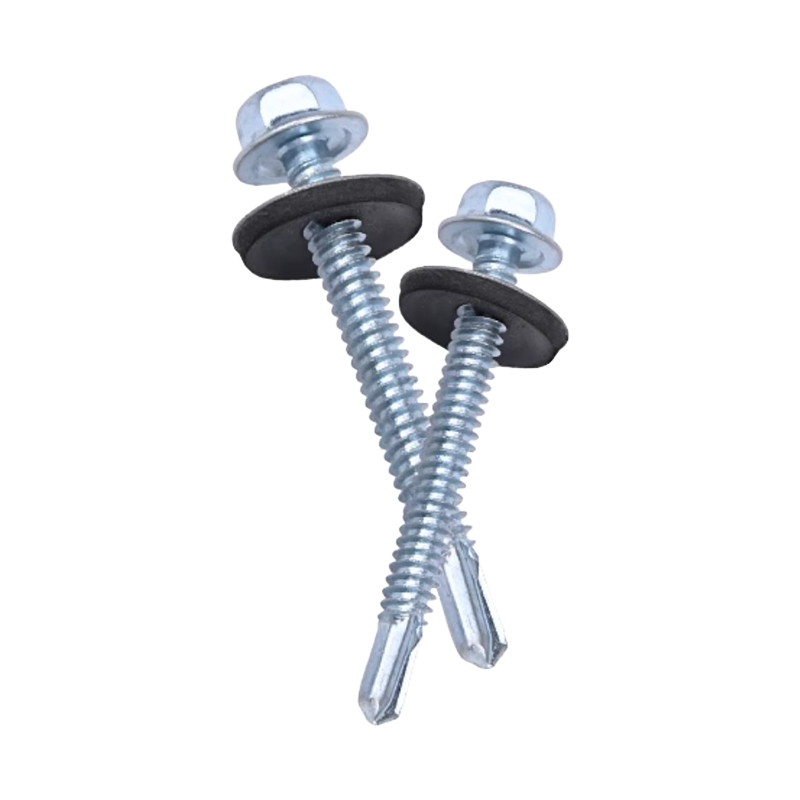
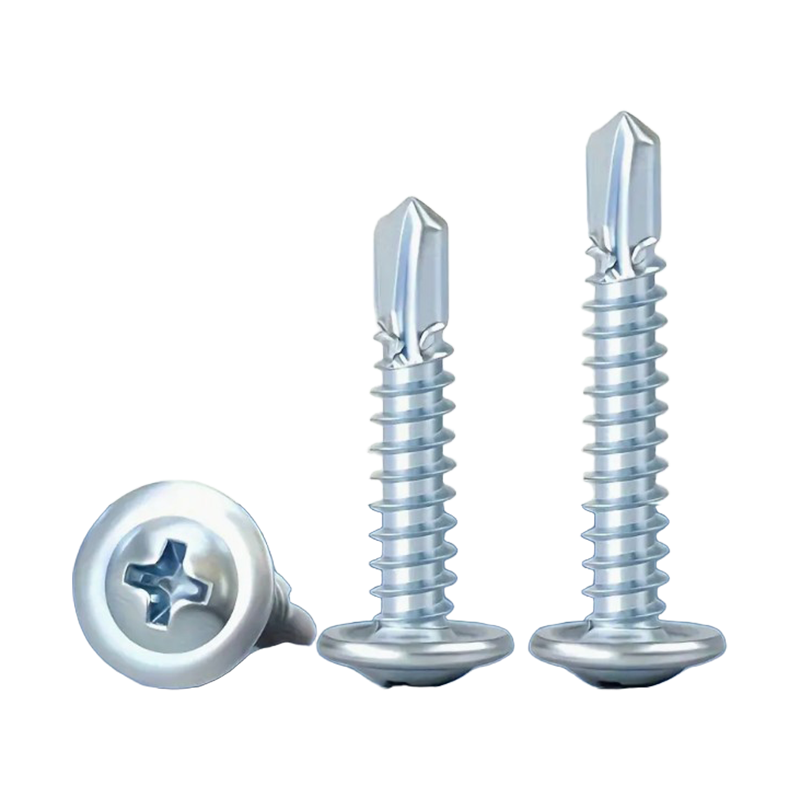
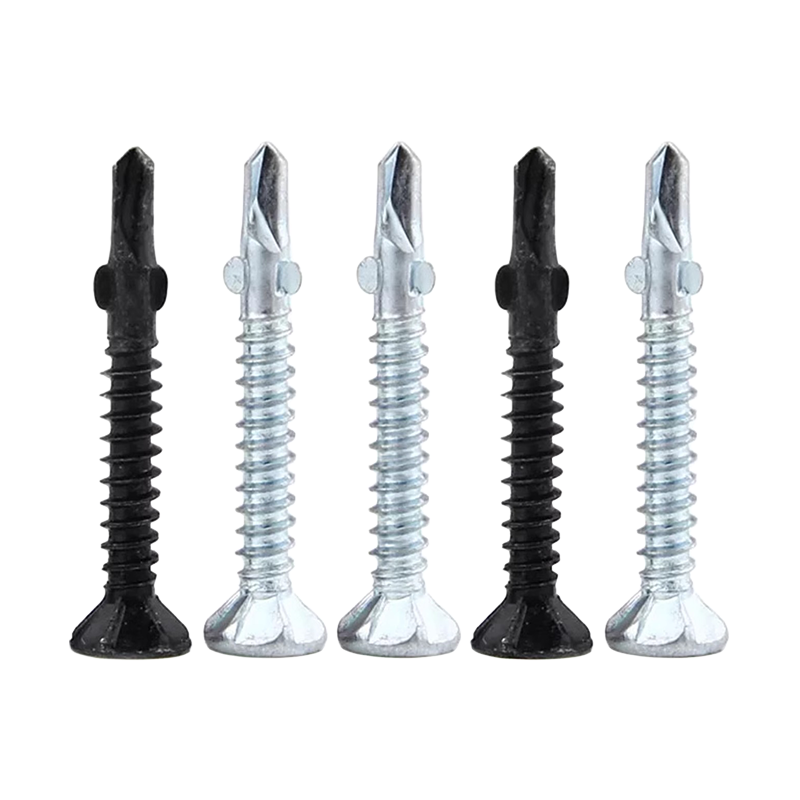
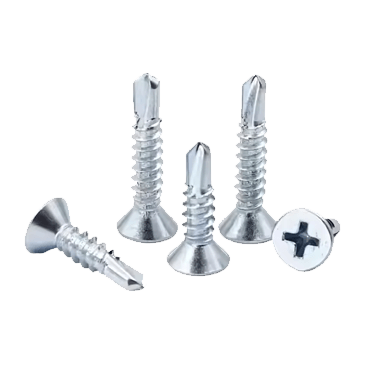
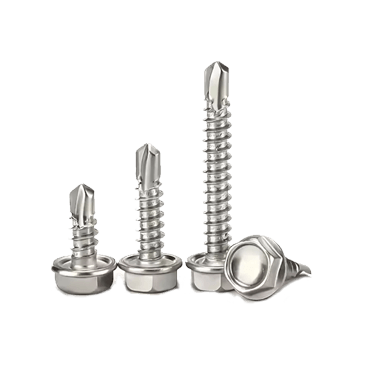
For drill-point (self-drilling) screws — identified by a drill-tip point rather than a sharp taper — no pre-drilling is required in sheet metal up to the thickness the tip is rated to penetrate. Drill-point screws are rated by number of metal plies they can penetrate: a #3 point handles up to 10 gauge (0.135") steel; a #5 point handles up to 3/8" steel plate.
Flat Head Wood Screw Size Chart: Head Diameter and Countersink Dimensions
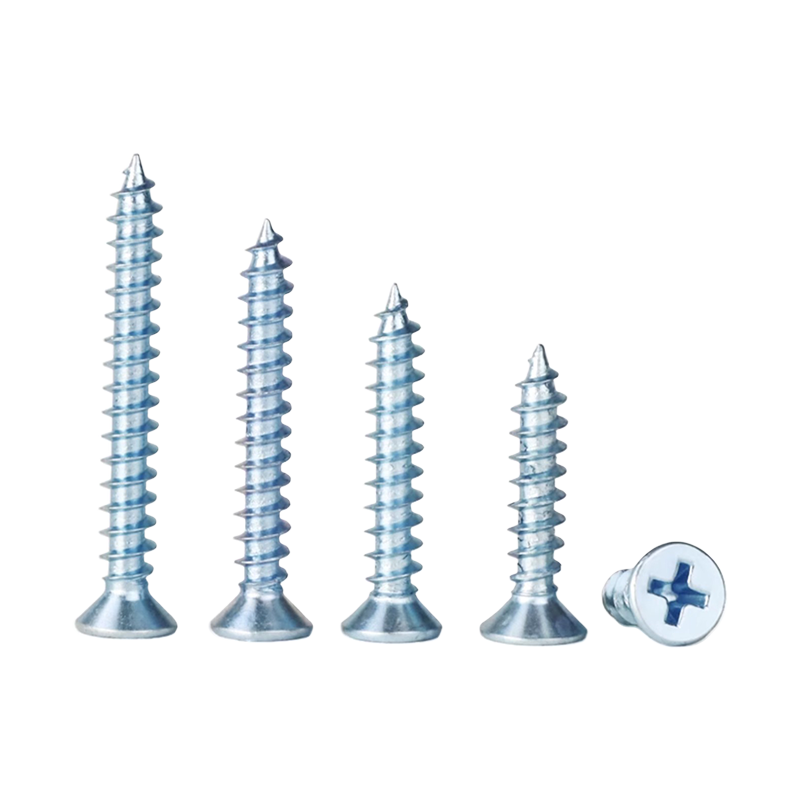
Flat head wood screws (also called countersunk head screws) have a conical underside that seats flush with or below the wood surface when driven into a properly sized countersink. Knowing the head diameter is essential for selecting the correct countersink bit — a countersink that's too narrow leaves the head proud of the surface; too wide creates a visible gap around the head that collects debris and weakens the joint aesthetically and structurally.
| Gauge # | Shank Diameter (in) | Flat Head Diameter (in) | Countersink Size | Pilot Hole — Softwood | Pilot Hole — Hardwood |
|---|---|---|---|---|---|
| #4 | 0.112 | 0.225 | 1/4" | 3/64" | 1/16" |
| #6 | 0.138 | 0.279 | 5/16" | 1/16" | 5/64" |
| #8 | 0.164 | 0.332 | 3/8" | 5/64" | 3/32" |
| #10 | 0.190 | 0.385 | 7/16" | 3/32" | 7/64" |
| #12 | 0.216 | 0.438 | 1/2" | 7/64" | 1/8" |
| #14 | 0.242 | 0.507 | 9/16" | 1/8" | 9/64" |
The standard included angle on a flat head wood screw countersink is 82° for wood screws (vs. 90° for machine screws). Using a 90° countersink bit on wood screws will leave the head slightly proud. Combination countersink-pilot-hole bits — sold by screw gauge size — drill the pilot hole, clearance hole, and countersink in a single pass and are the fastest way to ensure correct geometry for each gauge.
Why Use Nails Instead of Screws: The Structural and Practical Case
Screws are stronger in withdrawal (pulling straight out) — their threads generate far more holding force than a smooth nail shank. But nails outperform screws in shear strength, the resistance to forces acting perpendicular to the fastener's axis, and this is the critical load direction in most structural framing applications. Understanding when each fastener type is the correct choice prevents both over-engineering and structural failures.
Shear Strength: Where Nails Have a Clear Advantage
A standard 16d common nail (3.5" × 0.162" shank) has a single-shear design value of approximately 141 lbs per the NDS (National Design Specification for Wood Construction). A comparable #10 wood screw of the same diameter carries roughly 90–110 lbs in single shear — 25–35% less. The reason is material: nails are made from low-carbon steel that deforms plastically under load (ductile), bending before breaking and absorbing energy. Most wood screws are hardened, making them brittle in shear — they snap rather than bend, with no warning before failure.
This is why building codes — including the IRC and IBC — specify nails, not screws, for structural connections: wall sheathing to studs, rim joist to sill plate, hurricane ties, joist hangers, and LVL beam connections. Substituting screws in these locations without engineering review is a code violation and a potential structural liability.
Speed and Cost in High-Volume Applications
A pneumatic framing nailer drives a 16d nail in under one second, requiring no pre-drilling and no bit changes. A screw gun driving a structural screw of equivalent holding capacity takes 3–5 seconds per fastener with a correctly sized pilot hole, or risks splitting lumber without one. In framing a standard residential floor system requiring 800–1,200 fasteners, the speed difference is measured in hours. Nails also cost significantly less per fastener — bulk 16d common nails run approximately $0.02–$0.04 each vs. $0.15–$0.50 for structural screws of comparable capacity.
Dynamic Load Tolerance
Nails tolerate cyclic and dynamic loading — vibration, seismic movement, wind racking, and thermal expansion/contraction — better than screws. Their smooth shanks allow slight movement within the wood fiber without loosening or fracturing. Ring-shank and spiral-shank nails combine this ductility with significantly improved withdrawal resistance, making them the standard for roof sheathing, subfloor installation, and treated lumber applications where both factors matter.
When Screws Are the Right Choice
Screws are superior where withdrawal resistance, disassembly, or precise alignment are the primary requirements: cabinet installation, deck boards (where pull-through resistance under foot traffic matters), door hinges, hardware attachment, and any application requiring future removal without damage. The threaded engagement in screws also pulls joined surfaces tightly together during driving — something nails cannot replicate without additional clamping.
The practical rule: use nails for structural framing, sheathing, and any connection governed by shear loads or building code nailing schedules. Use screws for finish work, hardware, assemblies requiring future disassembly, and non-structural joints where withdrawal resistance is the primary demand.