 +86-15052135118

 Español
 Get In Touch


Content
- 1 What Are Stainless Steel Screws
- 2 Advantages of Stainless Steel Screws
- 3 Types of Stainless Steel Screws
- 4 Stainless Steel Screw Materials and Grades
- 5 304 vs. 316 Stainless Steel Screws
- 6 Corrosion Resistance for Outdoor and Marine Applications
- 7 Stainless Steel Screws vs. Carbon Steel Screws
- 8 Stainless Steel Screw Applications
- 9 How to Choose Stainless Steel Screws
What Are Stainless Steel Screws
Stainless steel screws are fasteners made from a steel alloy containing at least 10.5% chromium, which forms a thin, self-repairing oxide layer on the metal's surface that gives the material its signature corrosion resistance. Unlike coated carbon steel fasteners, where the protective layer is a separate applied finish that can wear through or chip, stainless steel's resistance to rust is a property of the alloy itself — if the surface gets scratched, the exposed chromium reacts with oxygen and reforms the protective layer on its own.
This built-in, self-healing corrosion resistance is the defining reason stainless steel screws command a price premium over standard steel fasteners, and it's also why they're specified almost automatically for any application where moisture exposure, outdoor weathering, or long-term maintenance-free performance matters more than minimizing upfront fastener cost.
Advantages of Stainless Steel Screws
Beyond the headline corrosion resistance, the advantages of stainless steel screws extend into several other practical benefits that matter across different applications:
- Long service life without maintenance — no need for periodic recoating or replacement due to rust, which matters significantly for fasteners in hard-to-access locations.
- Aesthetic consistency — stainless steel maintains a clean, bright appearance over time rather than developing the rust staining that bleeds from carbon steel fasteners onto surrounding materials.
- Non-magnetic properties (in austenitic grades) — relevant for electronics assembly and applications where magnetic interference needs to be avoided.
- High strength-to-weight performance — comparable structural strength to many carbon steel grades while offering the added corrosion benefit, without a significant weight penalty.
- Temperature tolerance — most stainless grades hold up well across a wide temperature range without the embrittlement issues some coated steels face in extreme cold.
Types of Stainless Steel Screws
The types of stainless steel screws available generally correspond to the same functional categories found in standard steel fasteners, with stainless simply substituted as the base material:
| Type | Function | Typical Use |
|---|---|---|
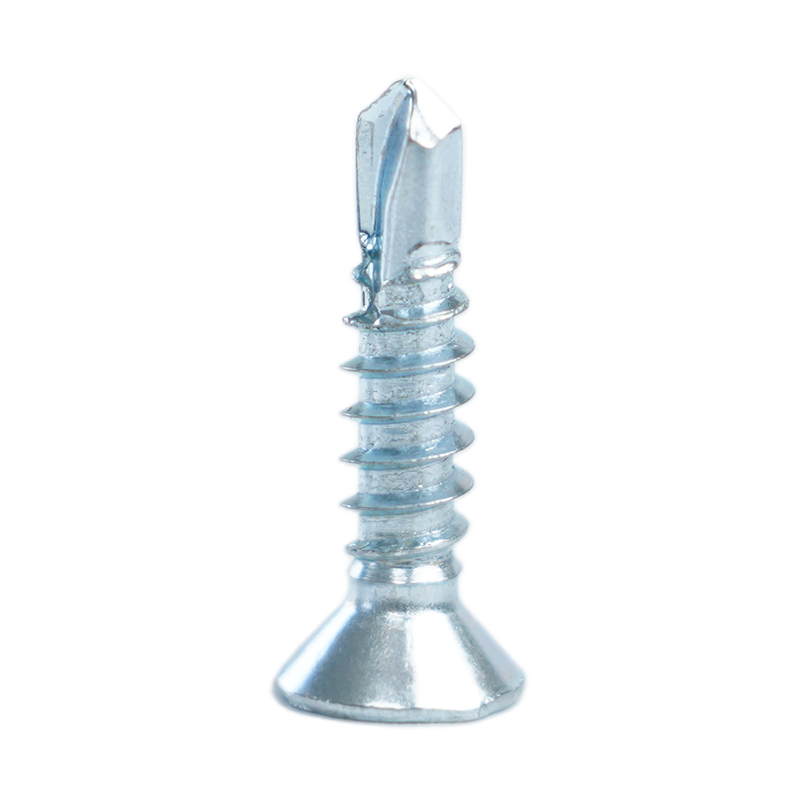
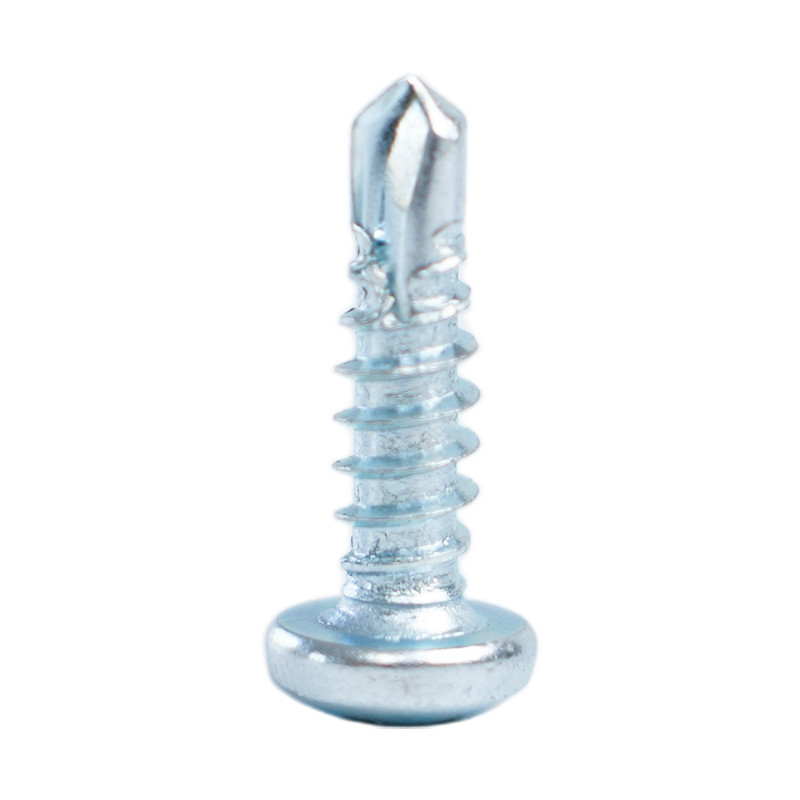
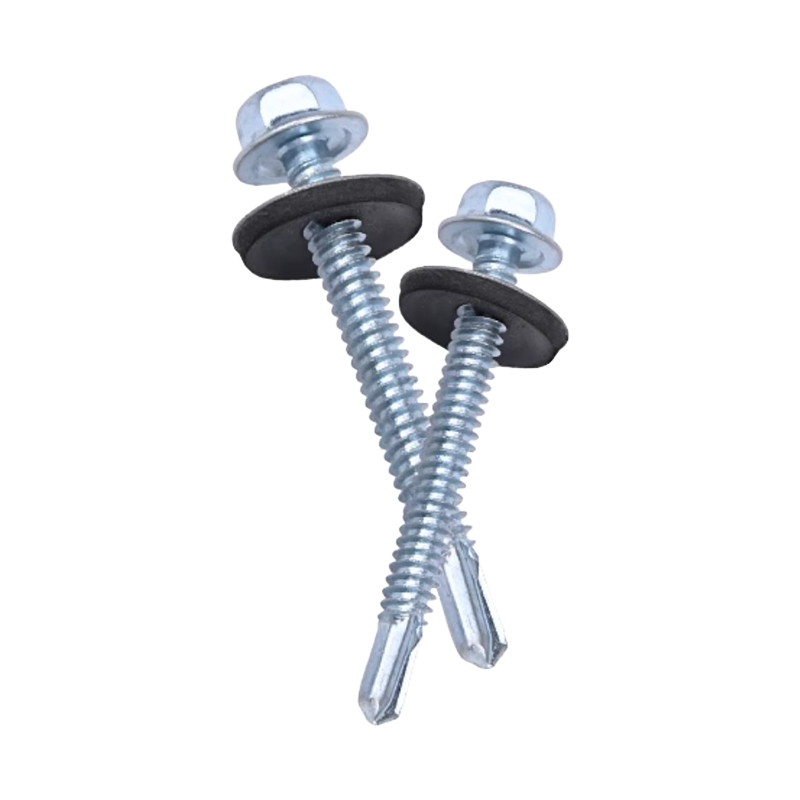
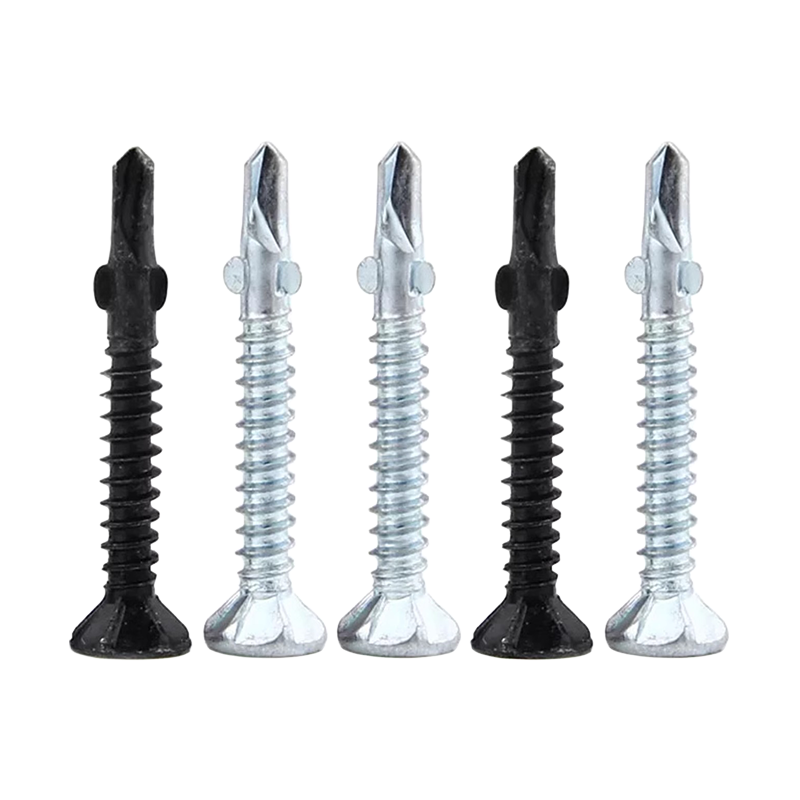
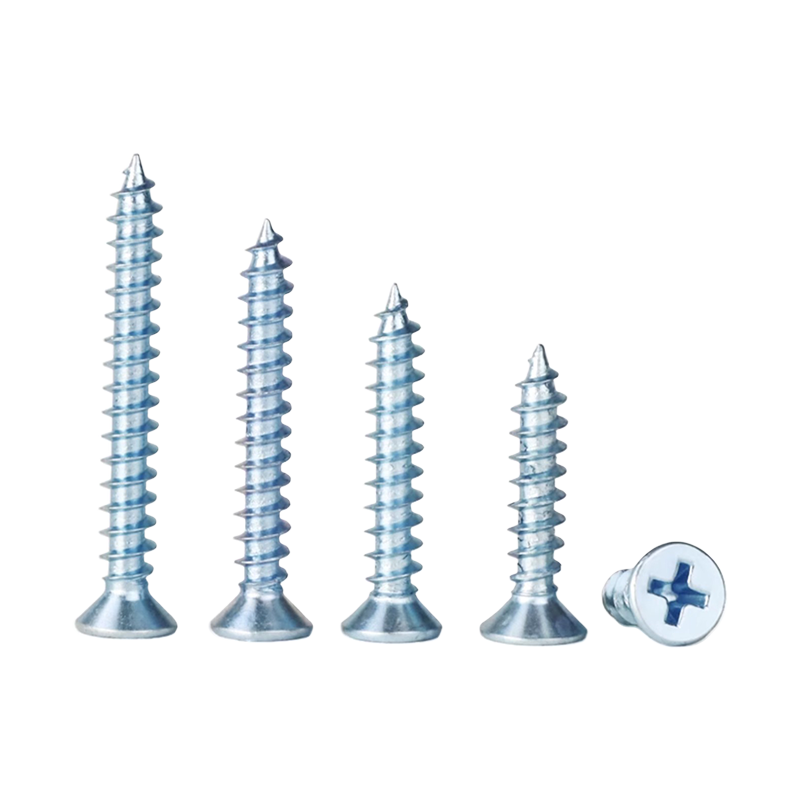
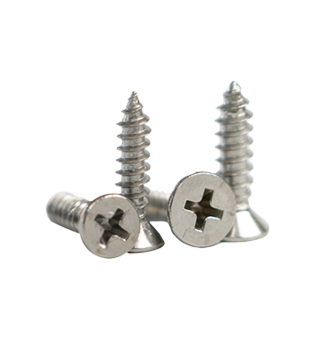
| Stainless steel self tapping screws | Cut or form their own thread into a pre-drilled or pilot hole | Sheet metal, plastic enclosures, thin material fastening |
| Stainless steel machine screws | Pair with a pre-tapped hole or nut for precise, uniform threading | Equipment assembly, electronics, precision machinery |
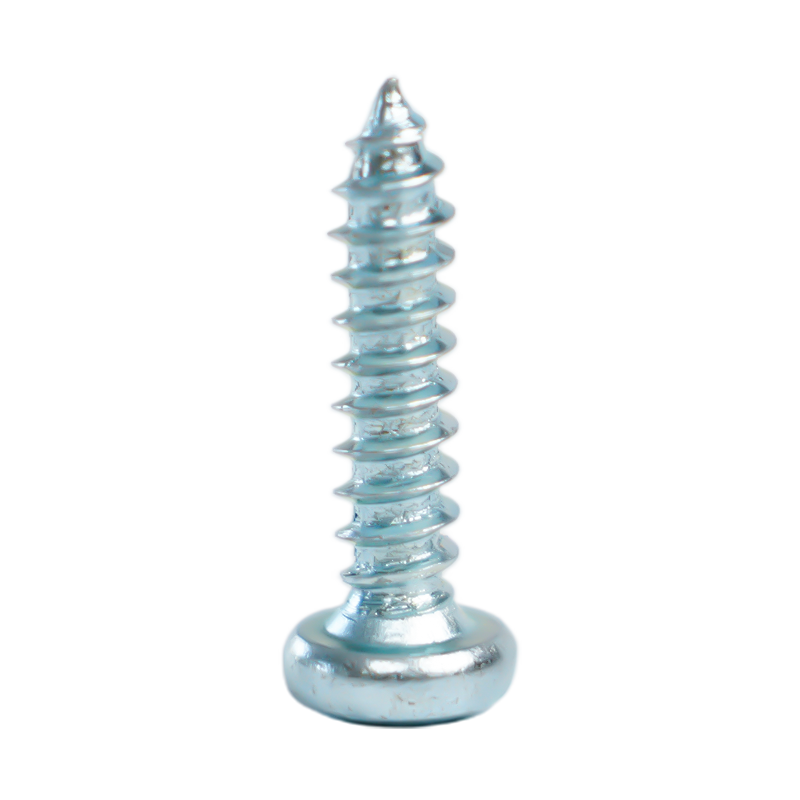
| Stainless steel wood screws | Coarse threading designed to grip wood fiber directly | Decking, outdoor furniture, marine woodwork |
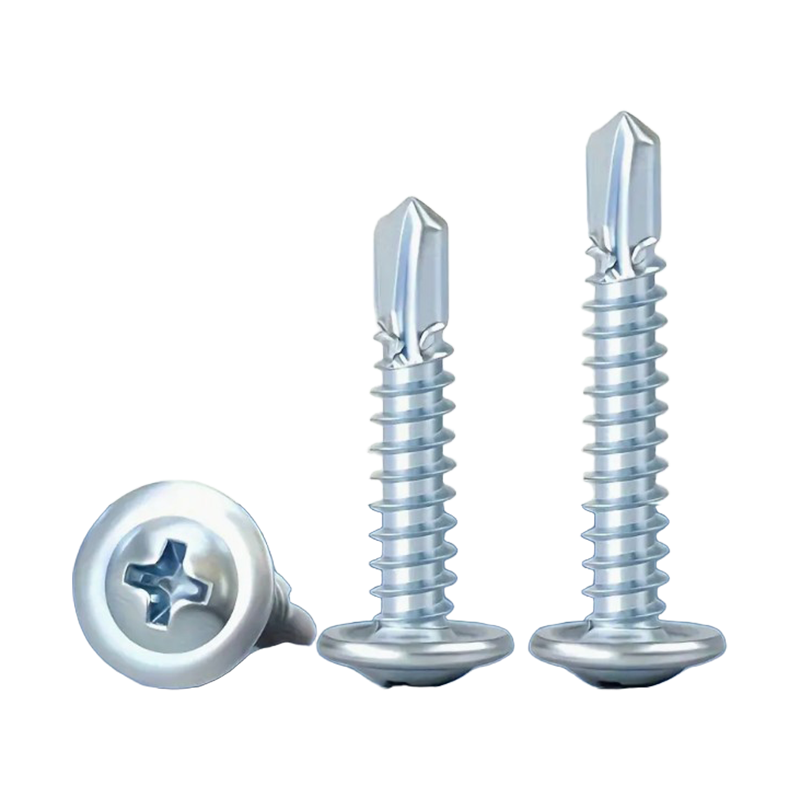
Head style and drive type add further variation on top of these functional categories — flat, pan, hex, and countersunk heads, paired with Phillips, slotted, Torx, or hex drive options, are all commonly available across each screw type to match different installation tools and finished appearance requirements.
Stainless Steel Screw Materials and Grades
Not all stainless is the same, and understanding stainless steel screw materials at the grade level explains why price and corrosion performance vary so much between products that all get marketed simply as "stainless." Grades are distinguished primarily by their alloying elements — chromium content sets the baseline corrosion resistance, while additional elements like nickel and molybdenum push performance further for more demanding environments.
Austenitic grades (the 300 series, including 304 and 316) are by far the most common in fastener applications, valued for their combination of good corrosion resistance, non-magnetic behavior, and reasonable cost. Ferritic and martensitic grades exist too, generally offering higher hardness or magnetic properties at the cost of somewhat reduced corrosion resistance, but they show up far less often in general-purpose fastener applications than the 300 series.
304 vs. 316 Stainless Steel Screws
These two grades account for the large majority of stainless fasteners on the market, and the choice between them is one of the most consequential decisions a buyer makes for corrosion-sensitive applications:
| Factor | 304 Stainless | 316 Stainless |
|---|---|---|
| Key alloying addition | Chromium and nickel | Chromium, nickel, plus molybdenum |
| Chloride/saltwater resistance | Moderate; can pit with prolonged salt exposure | Significantly better; molybdenum resists chloride pitting |
| Typical cost | Lower | Higher, typically 20-30% more than 304 |
| Best suited for | General indoor and outdoor use away from saltwater | Marine, coastal, and chemical-exposure environments |
The molybdenum content in 316 is specifically what improves resistance to chloride-induced pitting corrosion, which is why 316 is often referred to informally as "marine grade" stainless. Specifying 304 in a genuine saltwater or heavy coastal environment is a common and costly mistake — it will still corrode meaningfully faster than 316 under sustained chloride exposure, even though it performs perfectly well in typical indoor or general outdoor conditions.
Corrosion Resistance for Outdoor and Marine Applications
The demand for corrosion resistant stainless steel screws is almost entirely driven by two overlapping but distinct use cases. Stainless steel screws for outdoor applications need to withstand repeated wet-dry cycling, UV exposure, and general atmospheric moisture — conditions that 304 grade generally handles well over the long term in most climates.
Stainless steel screws for marine applications face a more aggressive corrosion environment specifically because of chloride exposure from saltwater and salt-laden air, which attacks the passive oxide layer differently than plain moisture does. This is why marine hardware specifications so consistently call out 316 grade by name rather than leaving stainless grade unspecified — the performance gap between 304 and 316 becomes very apparent in direct or near-constant saltwater exposure, showing up as localized pitting corrosion on 304 fasteners well before a 316 equivalent would show comparable wear.
Stainless Steel Screws vs. Carbon Steel Screws
The comparison of stainless steel screws vs carbon steel screws comes down to a trade-off between upfront cost and long-term performance. Carbon steel screws are generally cheaper to produce and, in higher-strength grades, can offer greater raw tensile strength than common stainless grades — which is why carbon steel (often zinc-plated or otherwise coated) remains standard for many structural and high-load applications where the fastener is protected from moisture or coated adequately.
The trade-off is that carbon steel's corrosion protection depends entirely on its coating remaining intact — once a coating chips, scratches, or wears through, the exposed steel beneath begins rusting immediately, and that corrosion can spread under the surrounding coating over time. Stainless steel has no such single point of failure, since its corrosion resistance comes from the base alloy rather than an applied layer, making it the more reliable long-term choice specifically in applications where moisture exposure or coating damage over the fastener's service life is a realistic concern.
Stainless Steel Screw Applications
The range of stainless steel screws applications spans nearly every industry where fastener reliability and longevity matter: outdoor construction and decking, marine hardware and boat building, food processing equipment (where corrosion resistance and cleanability are both regulatory concerns), medical device manufacturing, electronics enclosures, and architectural hardware where visible fasteners need to maintain their appearance over years of exposure.
Across these varied applications, the common thread is that the fastener either faces direct environmental exposure, needs to remain functional and easily removable years after installation without seizing from rust, or has to maintain a clean visual appearance — conditions where the price premium over carbon steel is easily justified by avoided maintenance, repair, or replacement costs down the line.
How to Choose Stainless Steel Screws
Working out how to choose stainless steel screws for a specific job comes down to a short sequence of decisions rather than picking based on price alone:
- Identify the environment — general indoor/outdoor use points toward 304, while any saltwater, coastal, or chemical exposure points toward 316.
- Match the screw type to the base material — self tapping for sheet metal and thin material, machine screws for pre-tapped or nutted assemblies, wood screws for direct wood fastening.
- Confirm required strength grade — if the application involves significant structural load, check the specific stainless fastener's rated tensile and shear strength rather than assuming all stainless screws share the same load capacity.
- Select head and drive style for the tools and finish needed — countersunk heads for flush surfaces, pan or hex heads for higher torque applications, and drive type based on available installation tools.
Getting the grade decision right is generally the highest-stakes choice in this sequence — a strength or head-style mismatch is usually just an inconvenience to correct, but specifying 304 in a genuinely corrosive marine environment can mean visible fastener failure within a few years rather than the decades of service a correctly specified 316 fastener would provide.