 +86-15052135118


 Español

 Get In Touch


A packaging plant replaced an M16 hex nut on a vibratory conveyor three times in one quarter. The threads were clean, the torque wrench read the specified value, and the nut backed off again within a week. When the choice comes down to jam nut vs lock nut, the right answer depends on temperature, access, service intervals, and whether a two-nut system or a single self-locking nut fits the joint.
Quick answer: choose a jam nut when you need a slim, reusable, heat-tolerant locking method; choose a single lock nut when you want one-piece vibration resistance without a secondary component.
Content
Jam Nut vs Lock Nut: What Each Term Means
A jam nut is a thin-profile hex nut, normally about half the height of a standard nut, that locks only when tightened against a second nut. A lock nut is a broader category: any nut designed to resist loosening under vibration or torque reversal. In everyday shop language, "lock nut" usually means a single nut with an internal locking feature - a nylon insert, a deformed thread, or a slotted body - while "jam nut" refers to the thin nut used in pairs.
The most common jam nut form is defined by DIN 439, the reduced-height hex nut series. A typical M12 jam nut is 8 mm high versus 10.8 mm for a standard DIN 934 / GB 6170 hex nut. That 30 percent reduction in height lets a jam nut fit where a second full-size nut cannot.
Jam nut definition: a thin hex nut, roughly 50 to 60 percent of standard nut height, that creates a locking action by being forced against an adjacent nut on the same bolt.
How a Jam Nut Locks a Bolted Joint
The jam nut holds by loading the threads of the two nuts in opposite directions, not by friction against the workpiece.
When the working nut is torqued to specification, its threads press against the lower flank of the bolt threads. Tightening the jam nut against the working nut pushes the working nut upward, forcing its threads against the upper flanks. The two nuts now carry opposing axial loads, and the wedged thread engagement creates a prevailing torque that plain nuts do not generate. That is why the arrangement is standard on tie rods, motor mounts, drive shafts, and machine tool spindles.
Locking quality depends entirely on the jam preload. An under-torqued jam nut is no more secure than a single nut.
In DIN 65151-style transverse vibration tests, a single hex nut typically backs off within 4,000 cycles. A correctly torqued jam-nut pair stays seated for roughly 65,000 cycles.
Four Lock Nut Types: Mechanism, Limits, and Reuse
Nylon insert nuts provide the most convenient one-piece lock but stop working above 120 degrees C; all-metal distorted nuts tolerate full service temperature; castle nuts give a mechanically positive lock; jam nuts remain the cheapest reusable option.
| Type | Locking mechanism | Practical reuse | Temperature limit | Vibration performance |
| Jam nut (thin) | Opposite thread preload against a second nut | High, inspect threads | Same as the bolt material | Good if jam torque is adequate |
| Nylon insert nut | Polyamide collar grips the thread elastically | 5 to 10 cycles typical | About 120 degrees C | Excellent |
| All-metal distorted nut | Oval or compressed thread section | 10 to 20 cycles typical | Same as the bolt material | Excellent |
| Castle nut with cotter pin | Cotter pin mechanically blocks rotation | High | Same as the bolt material | Positive lock, needs access |
For general-purpose maintenance, the nylon insert nut is often the first choice because it stays in place under heavy vibration with no skill required. In hot zones, all-metal types take over. For frequent service, the jam nut wins. Castle nuts are reserved for rotating assemblies where a positive pin lock is mandatory.
How to Choose: Jam Nut vs Lock Nut by Application
Choose a jam nut when the joint is disassembled often, sees high temperature, or has limited axial space. Choose a single lock nut when installation speed, one-handed assembly, and guaranteed vibration resistance matter more than reusability.
Choose a jam nut for
- Tie rods and ball joints where alignment adjustments repeat
- Shaft-end locking and machine tooling spindles
- High-temperature zones such as heat exchangers and kilns
- Joints that are disassembled weekly for cleaning
- Compact profiles that cannot accept a second full nut
Choose a lock nut for
- Automotive and engine compartments with rapid torque cycles
- High-vibration machinery with limited wrench access
- Installations where re-torque is not scheduled
- Long-run production assemblies with one-sided access
- Heavy equipment subjected to direction changes
In practice, many maintenance departments standardize on a jam nut plus a standard hex nut because both parts are simple. The standard hex nut carries the working load; the jam nut provides the anti-loosening function. The working partner is usually a full-height hex nut from the DIN 934 / GB 6170 series with the same pitch and property class as the bolt.
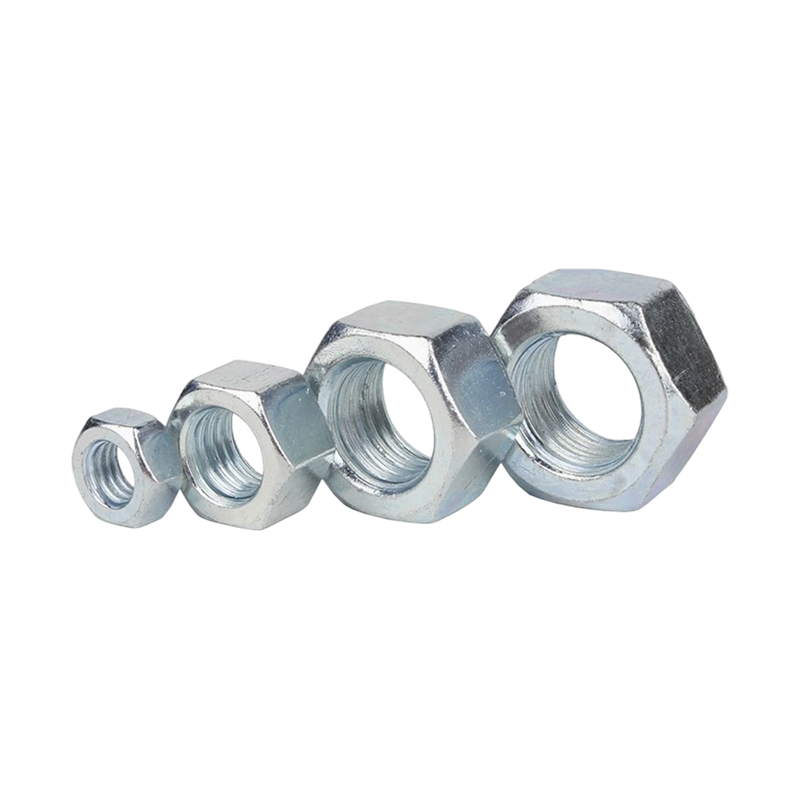 Full-Height Hex Nut DIN934/GB6170 for Working LoadThis standard hex nut carries the working load in a jam-nut assembly. Its full height and matching pitch and property class prevent thread stripping when paired with a compatible bolt.View Product →
When the assemblies already use hex bolts, matching the nut grade to the bolt grade prevents thread stripping between the two locking elements. For light-duty work, a DIN 127 spring washer remains a common budget alternative; it adds elastic preload under the nut and is often paired with a standard hex nut when a true lock nut is not available.
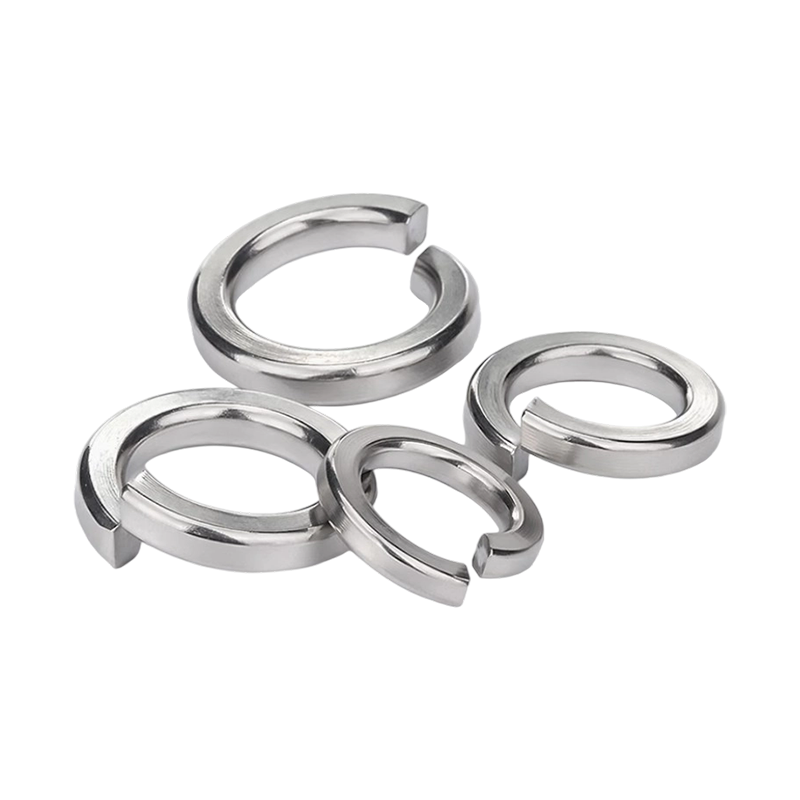 DIN127 Spring Washer for Vibration-Resistant FasteningA budget-friendly anti-loosening option that adds elastic preload under standard hex nuts. Its performance depends on thread condition, coating, and lubrication, so torque settings must be adjusted accordingly.View Product →
Thread condition, surface coating, and lubrication change the friction coefficient - the same reason a fastener grade and coating guide matters more than the nut price. A torque chart calibrated for one plating cannot be transferred blindly to another.
Torque Rules, Tightening Sequence, and Inspection
Most field failures with jam nuts come from an under-torqued jam element, not from the nut type itself.
The correct sequence determines whether the jam nut actually locks. Tighten the working nut to its full specified torque first, then counter-hold it with one wrench while you tighten the jam nut. If the jam nut is fitted below the working nut, fit the jam nut and snug it first, then torque the working nut on top. The final step is always the same: the two nuts must be drawn firmly against each other.
- Torque the working nut to the full value given on the joint drawing.
- Thread the jam nut down until it contacts the working nut.
- Counter-hold the working nut and torque the jam nut to 25 to 35 percent of the working torque.
- Paint a witness line across the flat faces of both nuts and re-torque after the first 100 operating hours.
During inspection, a visible gap between the two nuts means the jam is lost; re-tighten the pair to the same sequence. For reused jam nuts, clean and lightly oil the threads before reassembly, because friction differences will change the torque required to reach the same preload.
Frequently Asked Questions
Is a jam nut the same as a lock nut?
No. A lock nut is any nut that resists loosening; a jam nut is a specific thin nut that only works when jammed against a second nut. In practice, "lock nut" usually means a single self-locking nut such as a nylon insert or all-metal deformed type.
When should I not use a jam nut?
Avoid a jam nut when assembly is one-handed or the access is too tight for two wrenches, when vibration is extreme and no maintenance is planned, or when the joint cannot accept the axial space of two nuts. A jam nut adds a second component and requires controlled torque to work.
What torque should a jam nut be tightened to?
A common field rule is 25 to 35 percent of the working nut torque. Always check the joint drawing or the fastener supplier torque chart: because the jam nut only counterloads the working nut, excessive torque can overload the bolt threads.
Can a jam nut be reused?
Yes, as long as the threads are clean, free of corrosion, and not deformed. The same does not hold for nylon insert nuts, which lose elastic grip after a few removals, or for distorted-thread all-metal nuts, which also wear with repeated use.
Bottom line: if the joint is hot, serviced often, or space-constrained, use a jam nut; if it must never loosen with minimal attention, use a dedicated lock nut.