 +86-15052135118

 Español
 Get In Touch


Content
- 1 Introduction to Stainless Steel Fastener Engineering
- 2 Grade Analysis: 304 vs. 316 vs. 410 Stainless Steel
- 3 Technical Specification Table: Mechanical and Chemical Properties
- 4 Thread Dynamics and Head Style Selection
- 5 Preventing Thread Galling in Stainless Steel Assemblies
- 6 Stainless Steel vs. Carbon Steel: A Performance Evaluation
- 7 Manufacturing Quality Control and Standards
- 8 Conclusion: Optimizing Selection for Global Markets
- 9 Frequently Asked Questions (FAQ)
- 10 References
Introduction to Stainless Steel Fastener Engineering
In the realm of industrial manufacturing and global export, the selection of fasteners is not merely a matter of hardware but a critical engineering decision that affects the structural integrity and longevity of the final product. Stainless steel screws are favored worldwide for their inherent corrosion resistance and aesthetic appeal. However, “stainless steel” is a broad category encompassing various alloys, each engineered for specific mechanical properties and environmental conditions. Understanding the nuances between these grades is essential for ensuring project success and reducing long-term maintenance costs.
Grade Analysis: 304 vs. 316 vs. 410 Stainless Steel
The most significant factor in screw performance is the chemical composition of the alloy. For B2B applications, three grades dominate the market: 304, 316, and 410.
1. Grade 304 (The Industry Standard)
Often referred to as 18-8 stainless steel due to its 18% chromium and 8% nickel content, Grade 304 is the most versatile and widely used grade. It provides excellent resistance to atmospheric corrosion and is suitable for most indoor and light-duty outdoor applications.
2. Grade 316 (The Marine Grade)
Grade 316 contains an additional 2% to 3% molybdenum. This specific element significantly enhances resistance to chlorides and industrial solvents. It is the mandatory choice for marine environments, chemical processing plants, and coastal construction where “tea staining” or pitting corrosion must be avoided.
3. Grade 410 (The Hardened Choice)
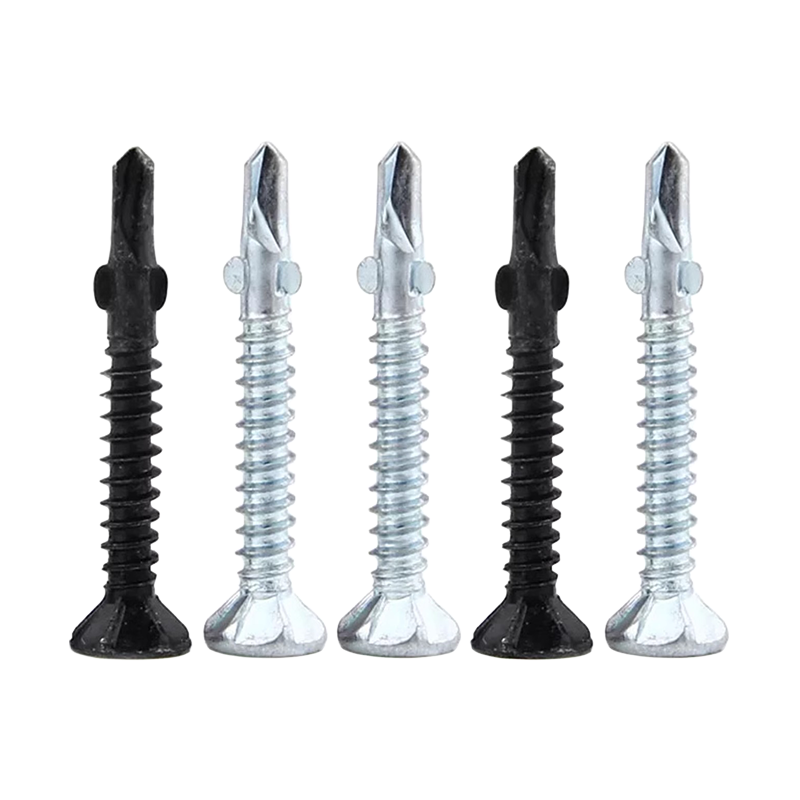
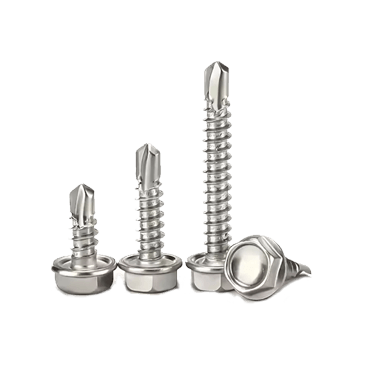
Unlike the 300 series, Grade 410 is a martensitic stainless steel. It contains less chromium and no nickel but has a higher carbon content, allowing it to be heat-treated for extreme hardness. It is commonly used for self-drilling screws that must penetrate metal sheets without losing their thread integrity.
Technical Specification Table: Mechanical and Chemical Properties
| Property | Grade 304 (A2) | Grade 316 (A4) | Grade 410 |
|---|---|---|---|
| Chromium Content | 17.5% - 19.5% | 16% - 18.5% | 11.5% - 13.5% |
| Nickel Content | 8% - 10.5% | 10% - 14% | < 0.75% |
| Molybdenum | None | 2.0% - 3.0% | None |
| Hardness (Brinell) | 160 - 190 | 160 - 190 | 250 - 450 (Heat Treated) |
| Corrosion Resistance | High | Ultra-High (Chloride Resistant) | Moderate |
| Magnetic Property | Non-Magnetic | Non-Magnetic | Magnetic |
Thread Dynamics and Head Style Selection
Beyond the material, the physical design of the screw dictates its torque transmission and holding power. Professional manufacturers must distinguish between coarse and fine threads based on the substrate material.
- Coarse Threads: These have a larger pitch and are less susceptible to galling. They are ideal for rapid assembly and for use in brittle materials or soft metals where they provide a deep “bite.”
- Fine Threads: These offer higher tensile strength and are better suited for high-vibration environments. Because they have a smaller helix angle, they allow for finer adjustments in precision machinery.
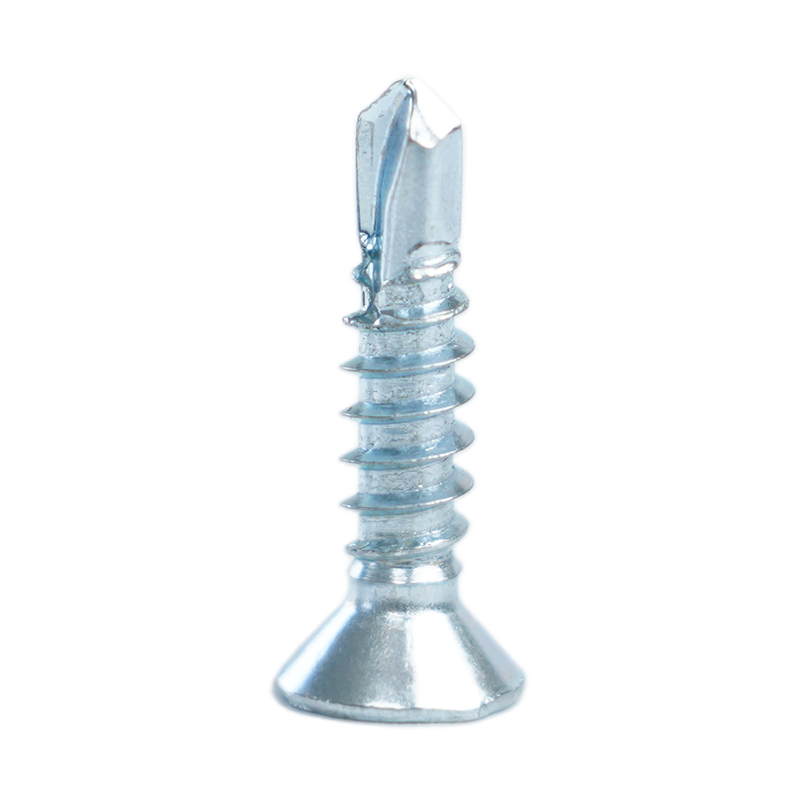
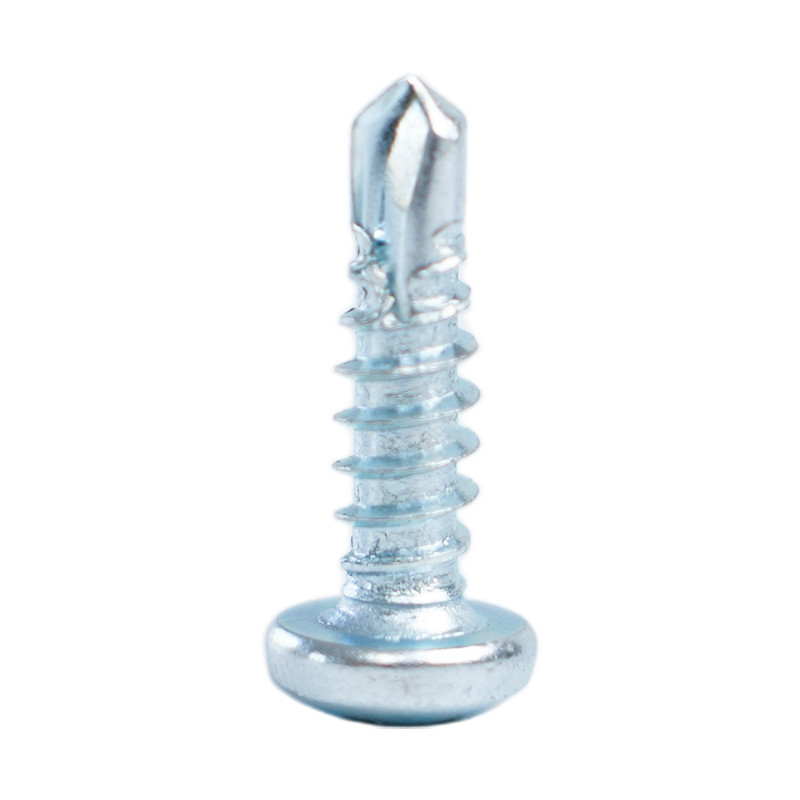
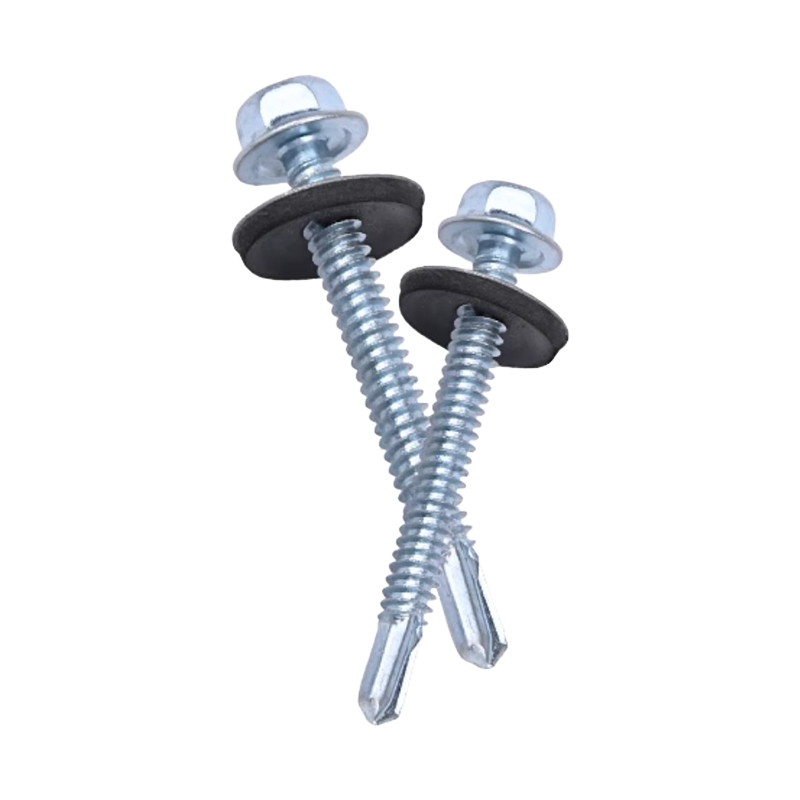
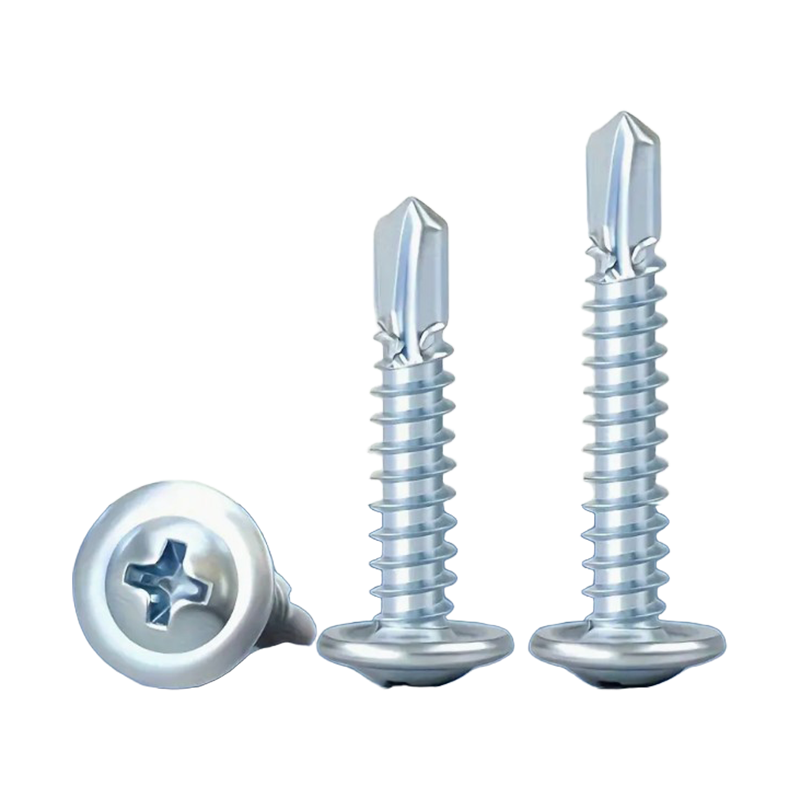
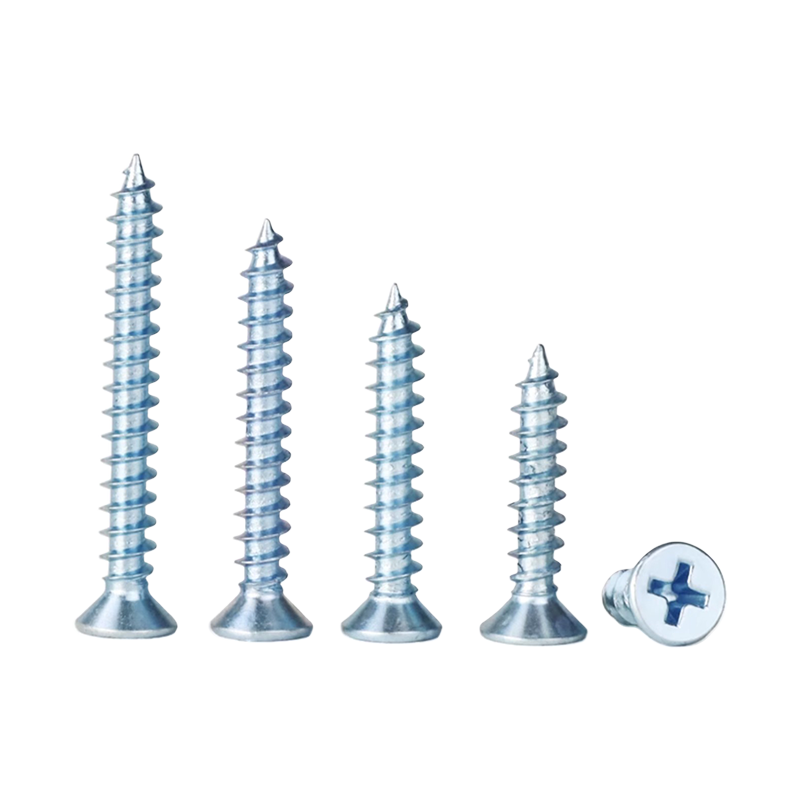
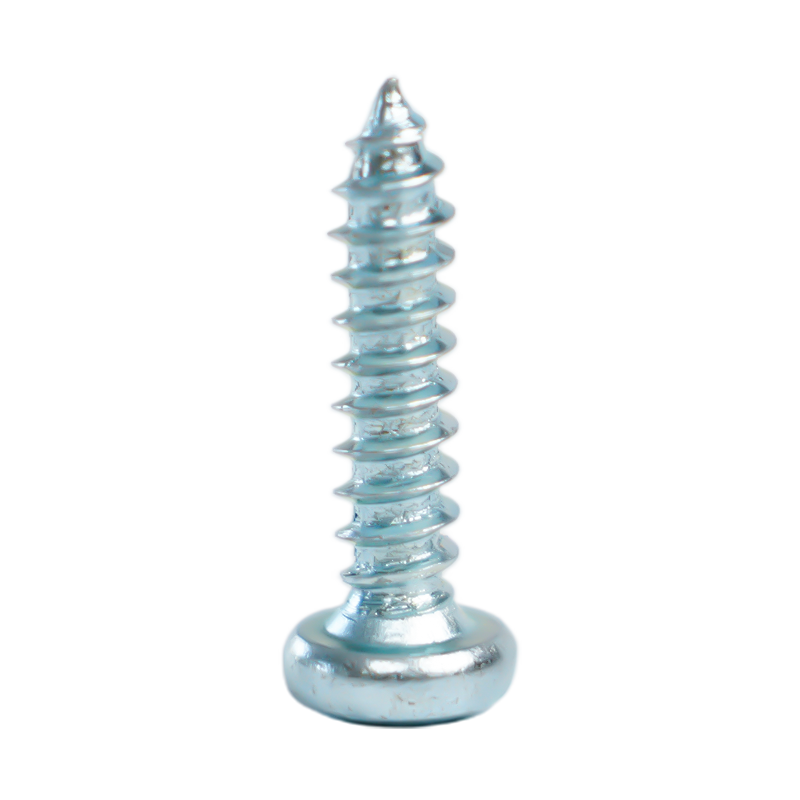
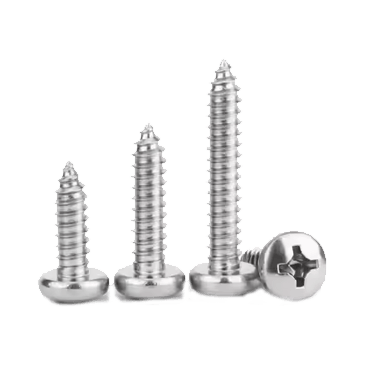
Regarding head styles, the choice often depends on the required drive force and the desired surface finish. Hex heads are preferred for heavy-duty structural applications where high torque is applied via a wrench. Countersunk (flat) heads are utilized when a flush surface is required for safety or aesthetics, while pan heads provide a larger bearing surface for securing thin components.
Preventing Thread Galling in Stainless Steel Assemblies
A common technical challenge in stainless steel fastening is “galling,” also known as cold welding. This occurs when the protective oxide layer on the screw threads is rubbed off during installation, causing the metal surfaces to bond together. To prevent this, engineers recommend:
- Lower Installation Speed: High-speed friction generates heat, which accelerates galling.
- Lubrication: Applying anti-seize compounds or waxes significantly reduces friction.
- Grade Dissimilarity: Using a 316 nut with a 304 bolt can sometimes reduce the likelihood of identical crystal structures bonding.
Stainless Steel vs. Carbon Steel: A Performance Evaluation
While carbon steel fasteners offer higher initial tensile strength and lower costs, they rely entirely on surface coatings (like zinc plating or galvanization) for protection. Once the coating is scratched or weathered, the core metal begins to oxidize rapidly. Stainless steel, conversely, possesses a self-healing chromium oxide layer that protects the entire cross-section of the fastener. For B2B exports where products may face humid shipping conditions or diverse global climates, stainless steel provides a “life-of-product” guarantee that carbon steel cannot match.
Manufacturing Quality Control and Standards
Ensuring that stainless steel screws meet international standards (such as DIN, ISO, or ANSI/ASME) is critical for global trade. High-quality manufacturing involves:
- Cold Heading: Forging the screw head at room temperature to maintain grain flow and strength.
- Thread Rolling: Instead of cutting threads, rolling them displaces the metal, resulting in smoother, stronger threads with better fatigue resistance.
- Passivation: A chemical treatment that removes free iron from the surface, maximizing the thickness of the corrosion-resistant oxide layer.
Conclusion: Optimizing Selection for Global Markets
Choosing the right stainless steel screw requires a balance of material science, mechanical design, and environmental assessment. By selecting the appropriate grade—be it the versatile 304, the resilient 316, or the high-strength 410—manufacturers can ensure that their products withstand the test of time and maintain professional standards in the competitive export market.
Frequently Asked Questions (FAQ)
1. Why are my 304 stainless steel screws showing signs of rust?
Even though 304 is corrosion-resistant, it can “rust” if exposed to salt spray or heavy industrial pollution. This is often surface contamination or pitting. For coastal or highly corrosive areas, upgrading to Grade 316 is recommended.
2. Can I use an impact driver to install stainless steel screws?
It is not recommended. The high speed and heat from an impact driver significantly increase the risk of thread galling (sticking). Manual installation or low-speed power drills with torque control are preferred.
3. Is 410 stainless steel as rust-proof as 304?
No. 410 stainless steel has lower chromium and no nickel, making it more susceptible to rust than the 300 series. Its primary advantage is hardness and the ability to be heat-treated, not maximum corrosion resistance.
4. What is the difference between A2 and 304 stainless steel?
They are essentially the same. “A2” is the designation under the ISO 3506 standard for fasteners, while “304” is the AISI (American) designation for the same alloy group.
5. How does lubrication help with stainless steel fasteners?
Lubrication reduces the friction between the male and female threads during tightening. This prevents the heat buildup that leads to cold welding (galling), allowing for smoother installation and easier removal.
References
- ASTM A193 / A193M: Standard Specification for Alloy-Steel and Stainless Steel Bolting Materials.
- ISO 3506-1: Mechanical properties of corrosion-resistant stainless steel fasteners.
- Nickel Institute: Guidelines for the Selection and Training of Stainless Steels.
- Specialty Steel Industry of North America (SSINA): Stainless Steel Fasteners Technical Guide.
- DIN 912 / ISO 4762: Specifications for Hexagon Socket Head Cap Screws.