 +86-15052135118

 Español
 Get In Touch


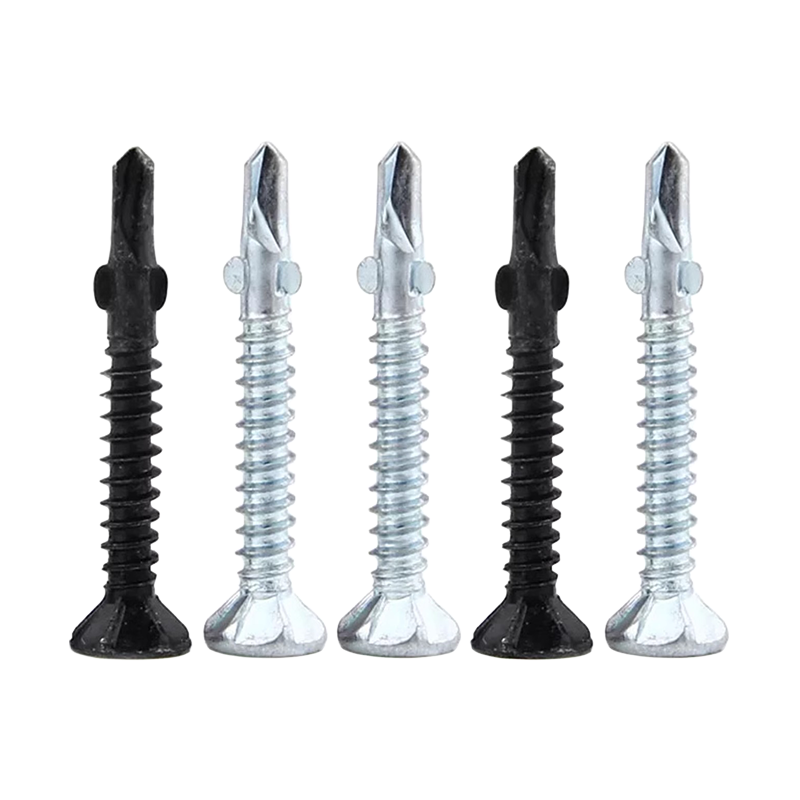
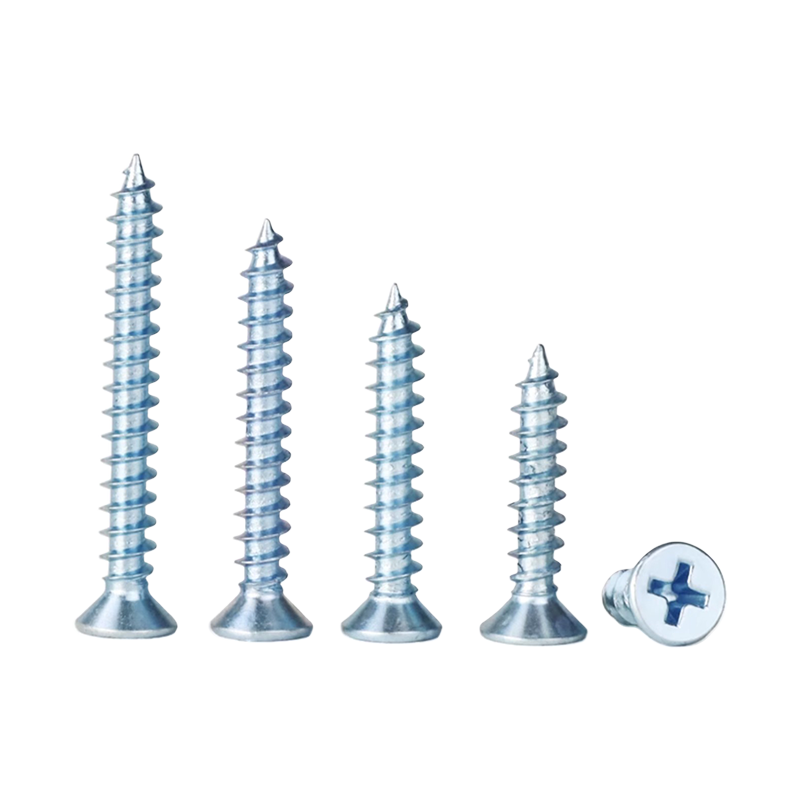
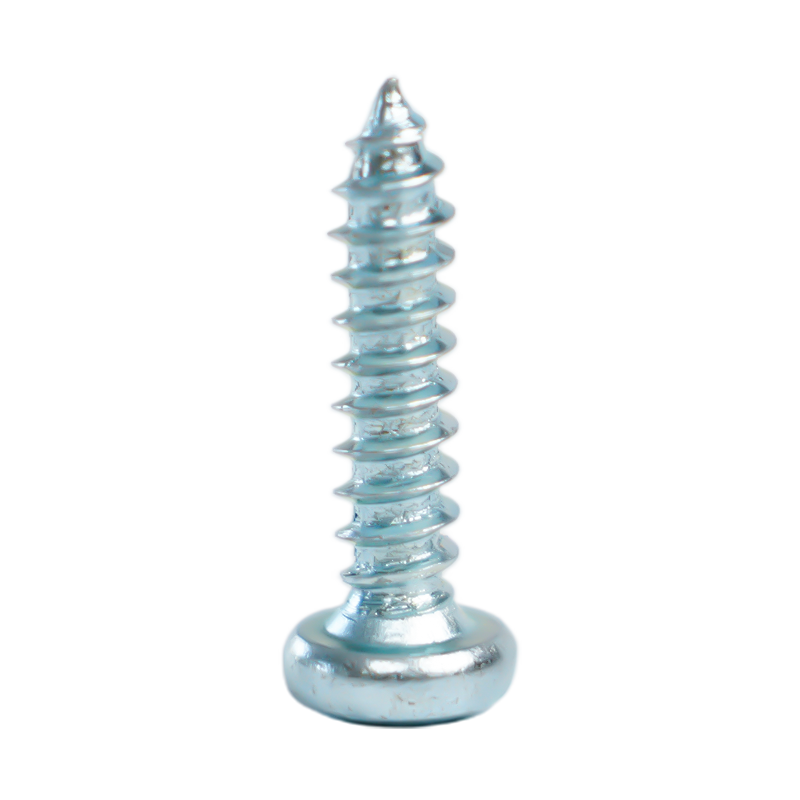
In the realm of industrial fasteners, selecting the correct material grade is pivotal for structural integrity and longevity. The SUS410 stainless steel screw represents a unique class of martensitic stainless steel that balances moderate corrosion resistance with exceptionally high mechanical strength. Unlike the more common austenitic series (such as 304 or 316), SUS410 is magnetic and can be hardened through specific thermal processes. This technical guide explores the metallurgical characteristics that make the SUS410 stainless steel screw the preferred choice for applications requiring high hardness and wear resistance.
Content
- 1 1. Metallurgical Composition and Material Hardness
- 2 2. Corrosion Resistance in Various Environments
- 3 3. Heat Treatment and Mechanical Reliability
- 4 4. Application-Specific Performance
- 5 Frequently Asked Questions (FAQ)
- 5.1 1. Is the SUS410 stainless steel screw magnetic?
- 5.2 2. Can I use SUS410 screws for decking?
- 5.3 3. Why do 410 stainless steel screws sometimes show surface rust?
- 5.4 4. What is the best coating for 410 stainless steel screws?
- 5.5 5. How does the 410 stainless steel screw's hydrogen embrittlement risk affect safety?
- 6 Industry References
1. Metallurgical Composition and Material Hardness
SUS410 is essentially a 12% chromium stainless steel. The relatively low chromium content compared to 300-series alloys allows it to maintain a martensitic structure, which is the key to its hardening capability. When engineers evaluate SUS410 screw hardness and tensile strength, they are looking at a material that can reach a Rockwell hardness of C40 or higher after quenching and tempering. This makes it significantly harder than 304 grade, which cannot be hardened by heat treatment. However, this increase in hardness comes with a slight reduction in ductility and corrosion resistance.
Comparison: SUS410 vs. SUS304 Material Properties
While SUS304 offers superior corrosion resistance in acidic environments, SUS410 provides much higher yield strength and surface hardness required for self-drilling applications.
| Property | SUS410 (Martensitic) | SUS304 (Austenitic) |
| Magnetism | Magnetic | Non-Magnetic |
| Hardening Method | Quenching & Tempering | Cold Working Only |
| Standard Hardness (HRC) | 35 - 45 (Post-Heat Treat) | ~20 (B92 HRB) |
| Yield Strength (MPa) | ~550 - 800 | ~205 - 310 |
2. Corrosion Resistance in Various Environments
The corrosion resistance of a SUS410 stainless steel screw is generally lower than that of the 300-series due to its lower chromium and lack of nickel. However, it performs exceptionally well in mild atmospheric conditions, steam, and many chemical environments when properly tempered. A common engineering question is SUS410 stainless steel screw corrosion resistance in saltwater; the answer is typically that it is not recommended for marine immersion without additional protective coatings. For coastal or highly corrosive environments, the best coating for 410 stainless steel screws usually involves rust or zinc-flake finishes to mitigate the risk of pitting.
Comparison: Environmental Performance Ranks
SUS410 excels in dry industrial air and steam, whereas its performance diminishes in chloride-rich environments compared to molybdenum-bearing grades like 316.
| Environment | SUS410 Rating | SUS316 Rating |
| Dry Indoor Atmosphere | Excellent | Excellent |
| Fresh Water / Steam | Good | Excellent |
| Salt Spray (Marine) | Poor (Requires Coating) | Excellent |
| Mild Organic Acids | Moderate | Excellent |
3. Heat Treatment and Mechanical Reliability
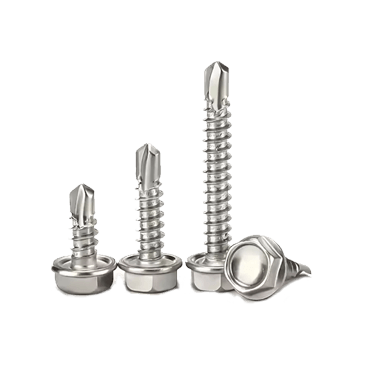
One of the defining benefits of 410 stainless steel for self-drilling screws is its ability to be through-hardened. This allows the screw to tap its own threads into steel plates without the tip deforming or burning. The heat treatment process for SUS410 fasteners typically involves heating to above 925°C followed by oil or air quenching. Tempering is then performed to achieve the desired balance of hardness and toughness. Engineers must carefully monitor the 410 stainless steel screw hydrogen embrittlement risk during the plating process, as high-strength martensitic steels are particularly susceptible to brittle failure if hydrogen is not properly baked out after acid pickling or electroplating.
Key Technical Specifications for Engineers:
- Hardening Temperature: 925°C – 1010°C followed by oil quench.
- Tempering Temperature: Usually above 650°C to avoid "Blue Brittleness" ranges.
- Torque Strength: Significantly higher than 304/316, allowing for high-tension fastening.
- Shear Strength: Exceptional shear resistance compared to carbon steel and austenitic stainless steel.
4. Application-Specific Performance
The SUS410 stainless steel screw is widely used in the HVAC, roofing, and window manufacturing industries. Its high strength-to-weight ratio and ability to penetrate metal surfaces without pre-drilling make it an efficient choice for high-volume assembly. When comparing 410 vs 304 stainless steel screws for outdoor use, 410 is chosen for its mechanical utility in load-bearing structures, while 304 is chosen for aesthetic trim where rust spots cannot be tolerated. For structural steel bonding, the SUS410 stainless steel screw provides the necessary clamping force that softer stainless grades cannot sustain over time.
Frequently Asked Questions (FAQ)
1. Is the SUS410 stainless steel screw magnetic?
Yes, due to its martensitic crystalline structure, SUS410 is magnetic. This is a primary way to distinguish it from non-magnetic 300-series stainless steel screws in the field.
2. Can I use SUS410 screws for decking?
While possible, it is only recommended if the deck is far from the ocean and the screws have a high-quality anti-corrosion coating. For most decking applications, SUS304 or SUS316 is preferred for better rust prevention.
3. Why do 410 stainless steel screws sometimes show surface rust?
Because SUS410 has a lower chromium content (11.5-13.5%) and lacks nickel, it can develop "tea staining" or light surface oxidation if exposed to harsh weather. This does not usually affect structural integrity but may affect appearance.
4. What is the best coating for 410 stainless steel screws?
Ceramic coatings (like Ruspert) or mechanical galvanizing are excellent. These coatings provide the necessary salt-spray resistance that the raw material lacks, making the screw suitable for broader industrial use.
5. How does the 410 stainless steel screw's hydrogen embrittlement risk affect safety?
If hydrogen is not removed during the manufacturing of high-hardness screws, they can snap suddenly under load hours or days after installation. High-quality manufacturers always include a de-embrittlement baking cycle after any chemical cleaning or plating process.
Industry References
- ASTM A240/A240M: Standard Specification for Chromium and Chromium-Nickel Stainless Steel Plate, Sheet, and Strip.
- ISO 3506-1: Mechanical properties of corrosion-resistant stainless steel fasteners.
- SAE J429: Mechanical and Material Requirements for Externally Threaded Fasteners.
- ASM International: Handbook on Specialty Steels and Martensitic Microstructures.